



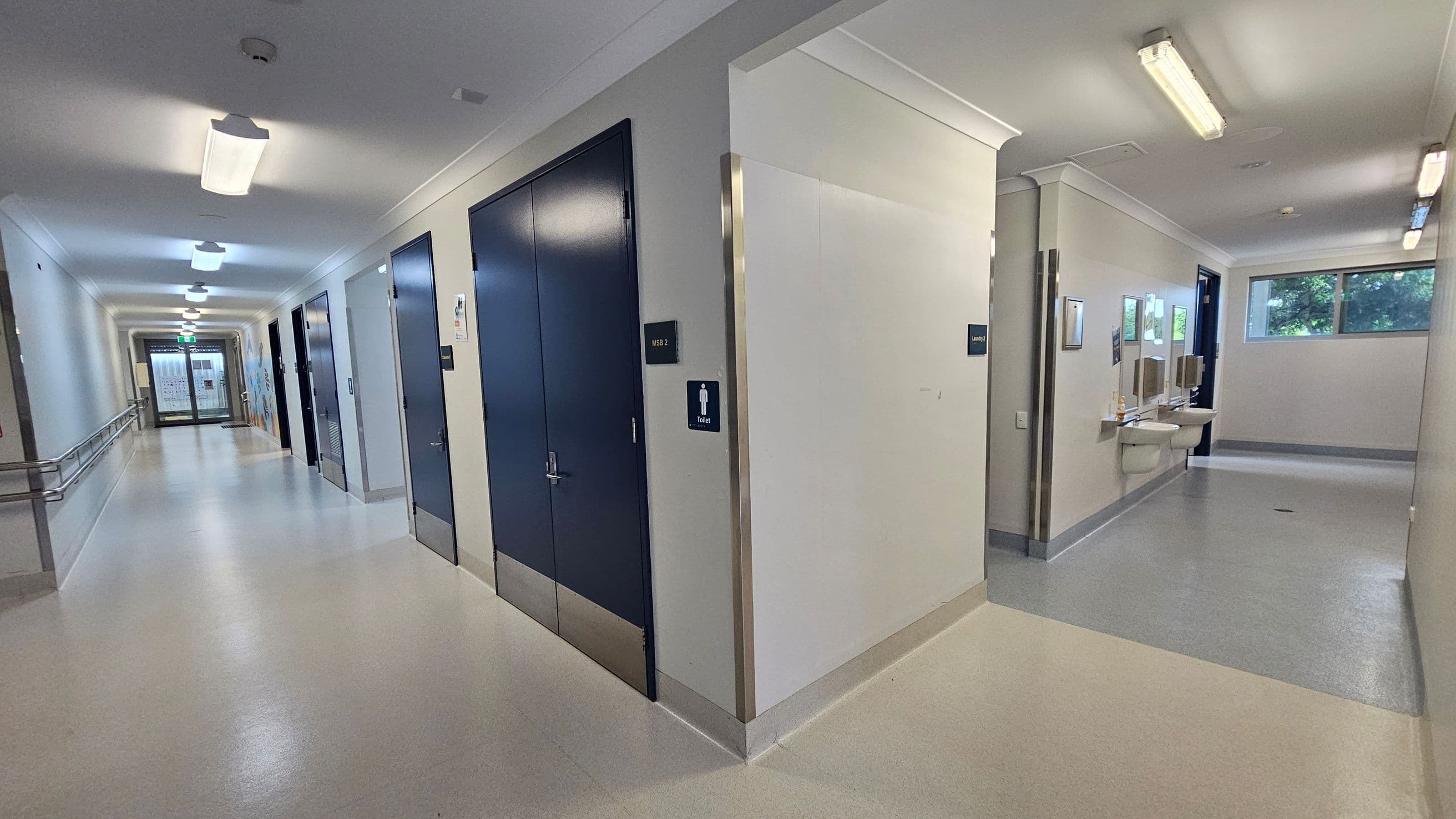
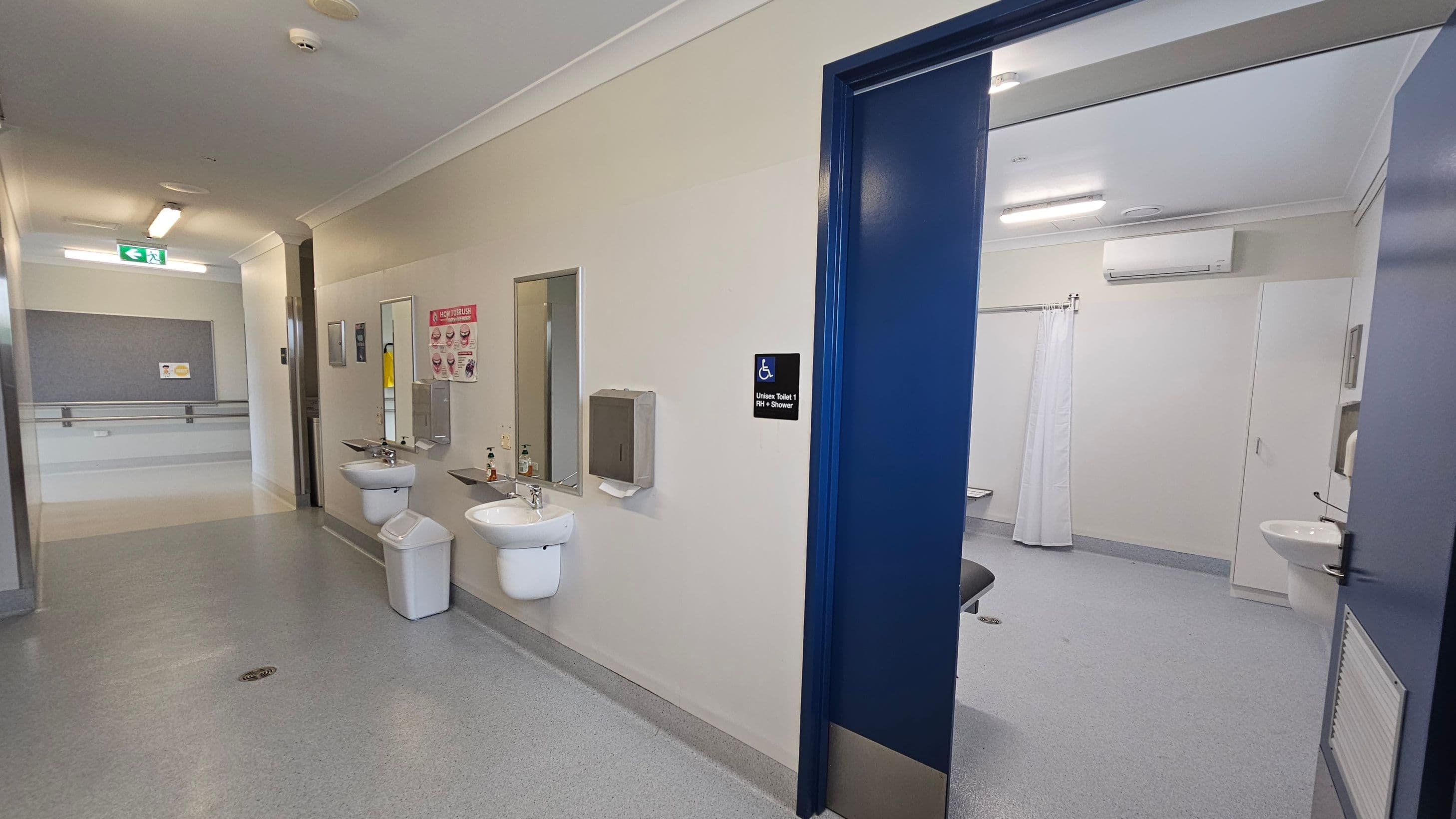
GENERAL ACCESS
• Offer a range of contact methods for receiving complaints and discussing feedback regarding accessibility issues/barriers.
• Employ people with disability
• Trained staff in disability awareness
• Have accessibility information and photos, including of a bathroom, room and/or floor plan on your website (can be emailed on request)
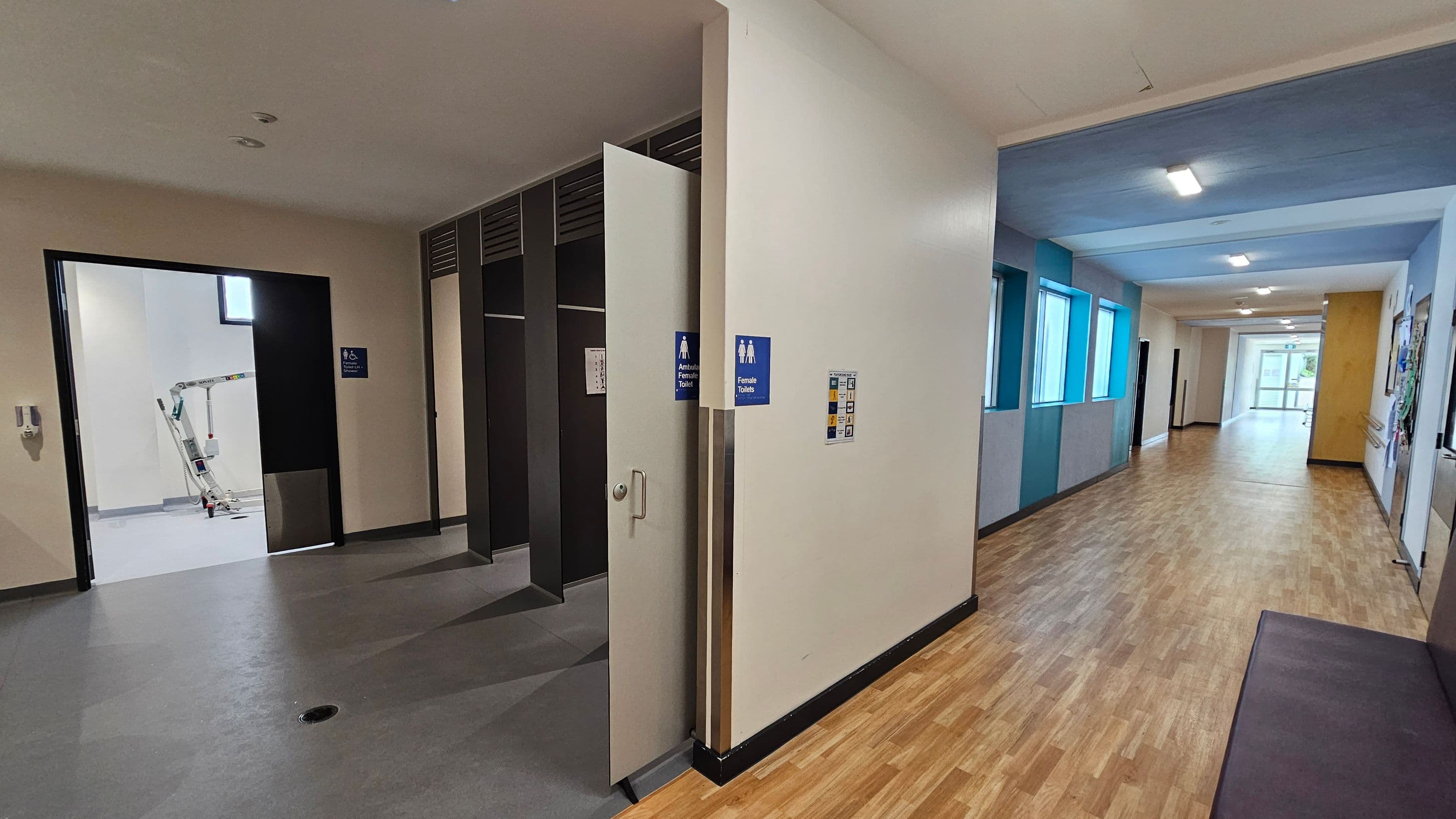
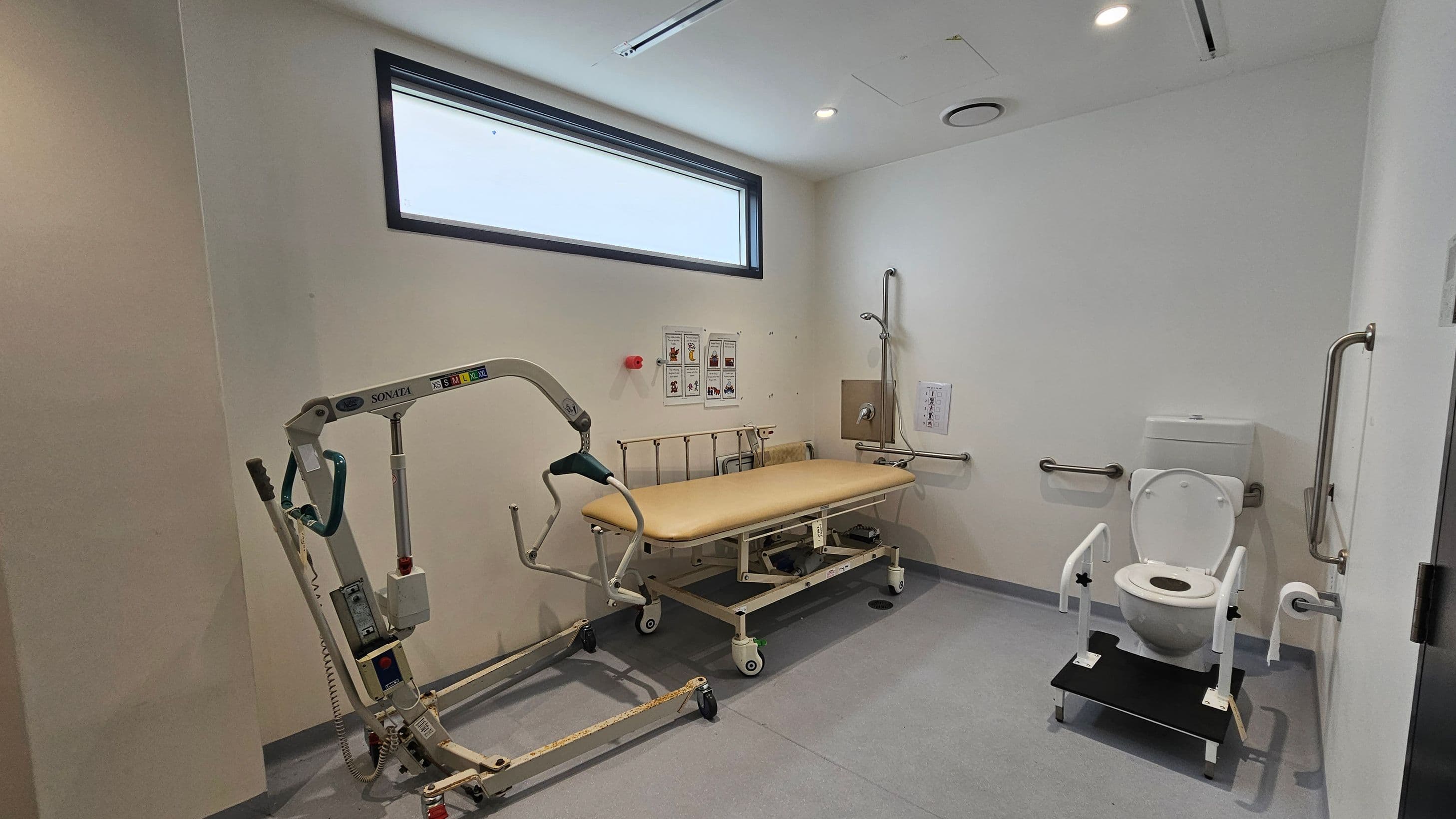
• Have a place to store mobility and/or medical equipment (eg beach wheelchair, hoist, oxygen).
• Have a place to store mobility and/or medical equipment (ask customer service teams onsite for support)
• Have measurements of key access points and features such as doorway widths, with Cérge Virtual Tour
• Provide a detailed map (‘Mobility Map’), which includes accessible features from Virtual Tour
COMMUNICATION
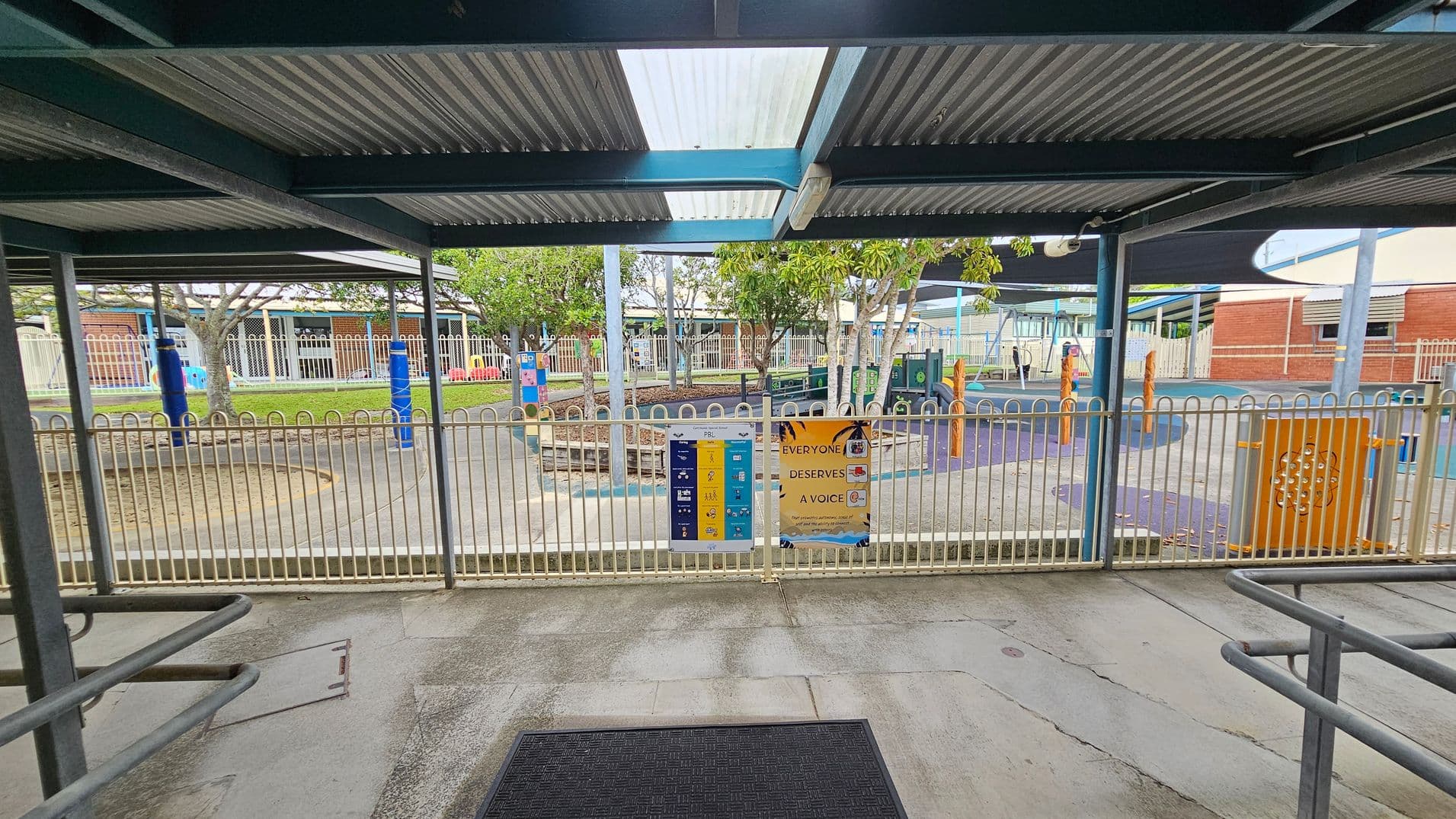
• Use Plain English / easy read signage and information (includes menus and emergency information)
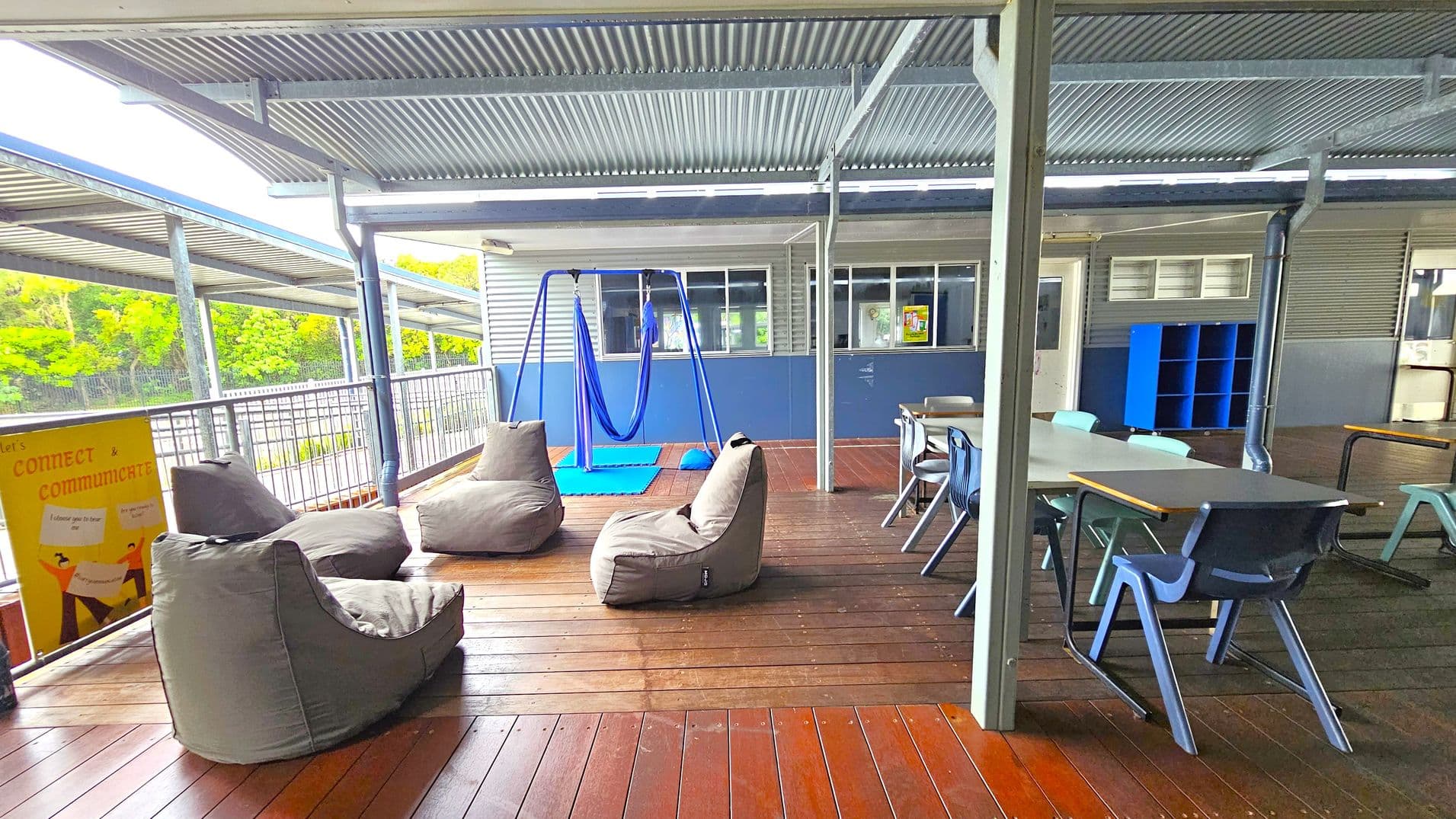
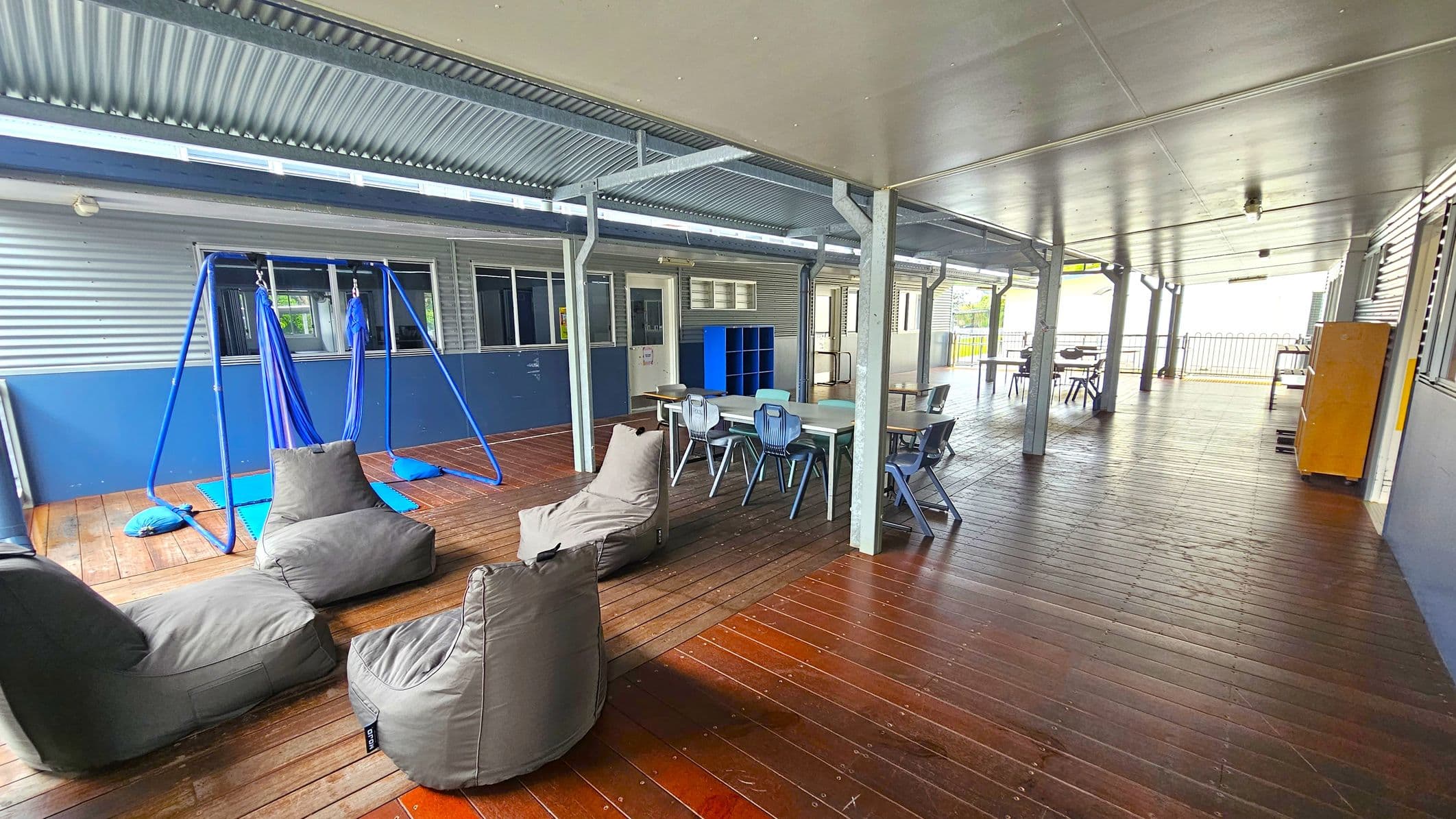
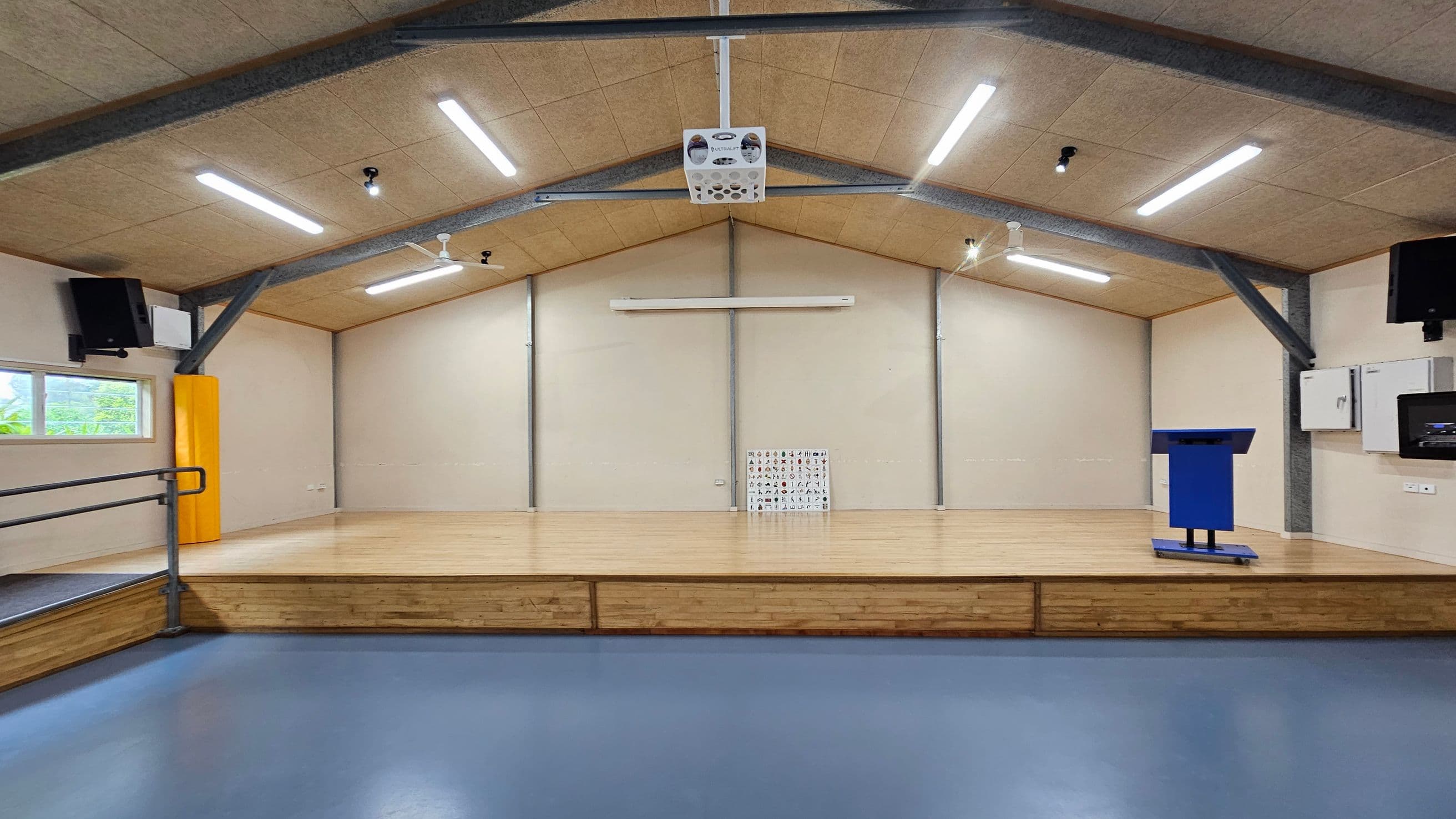
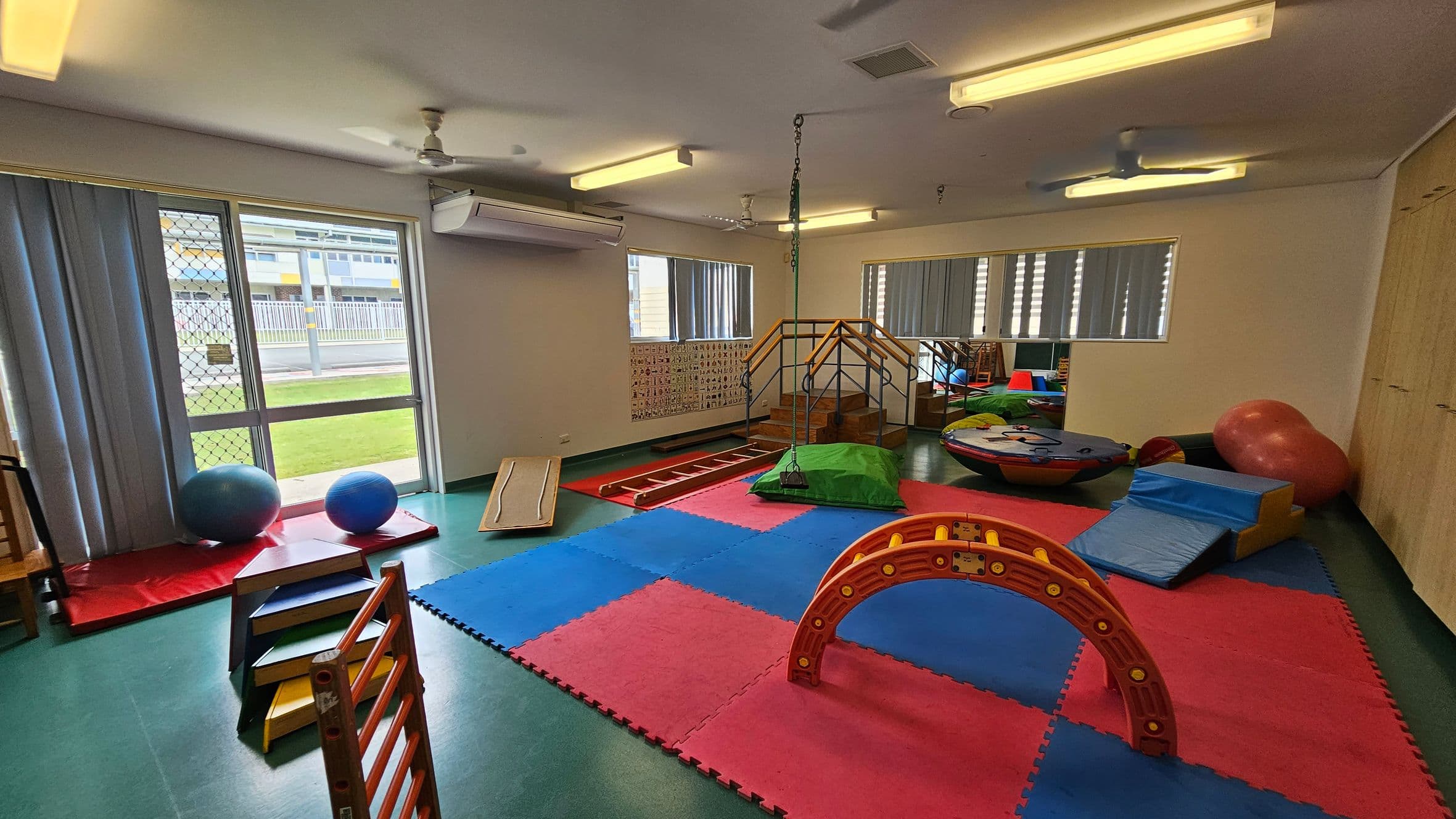
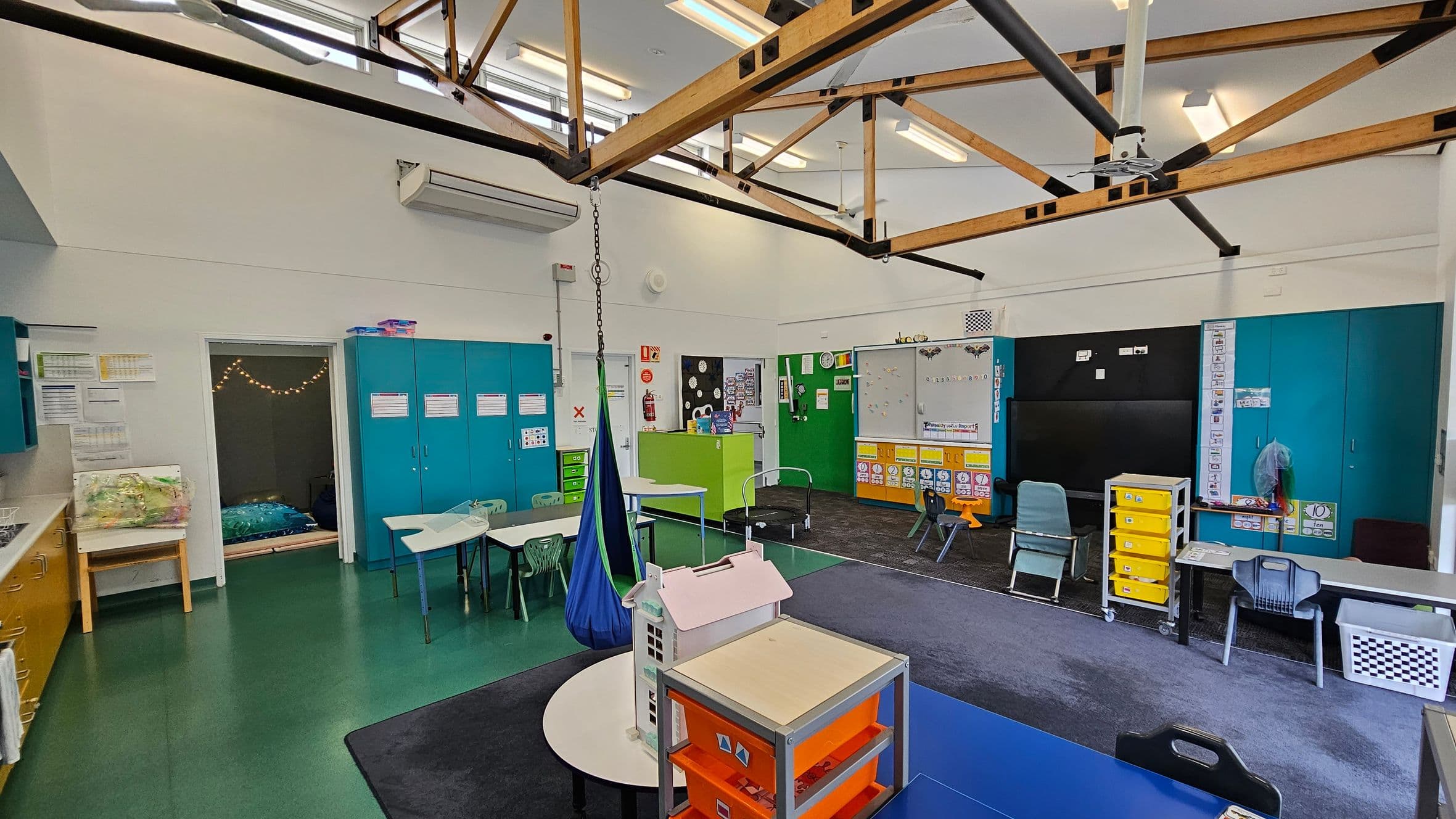
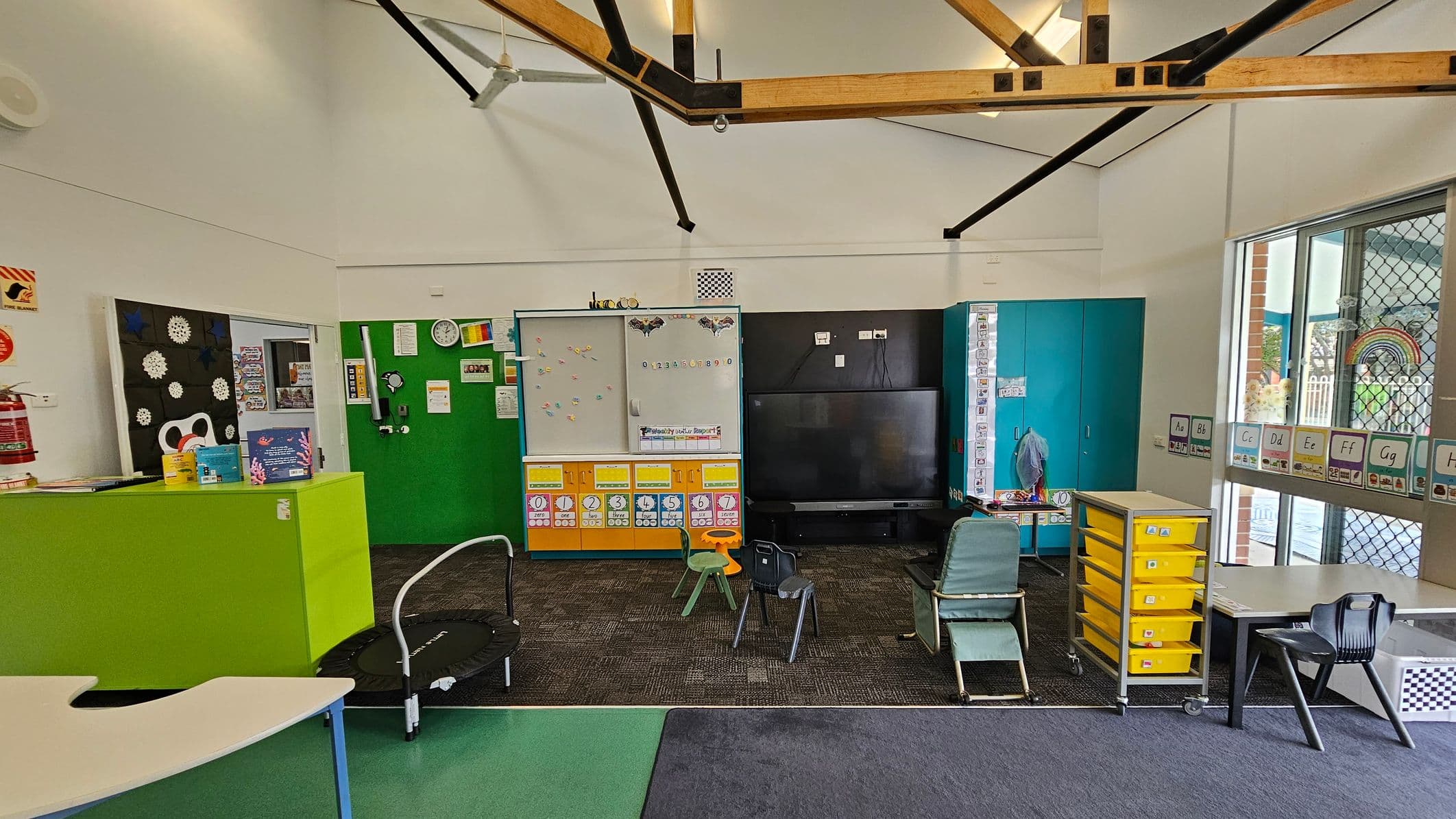
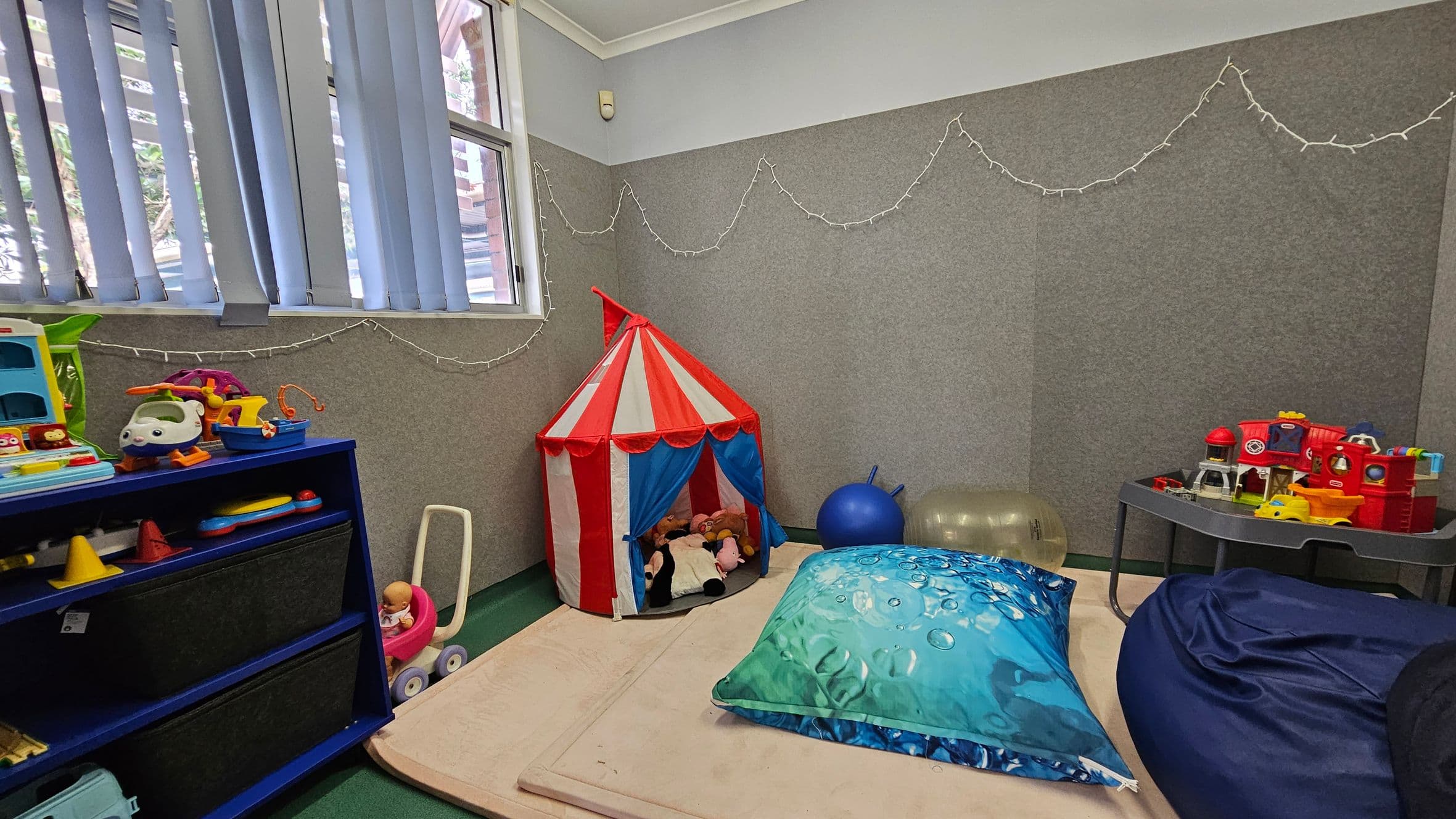
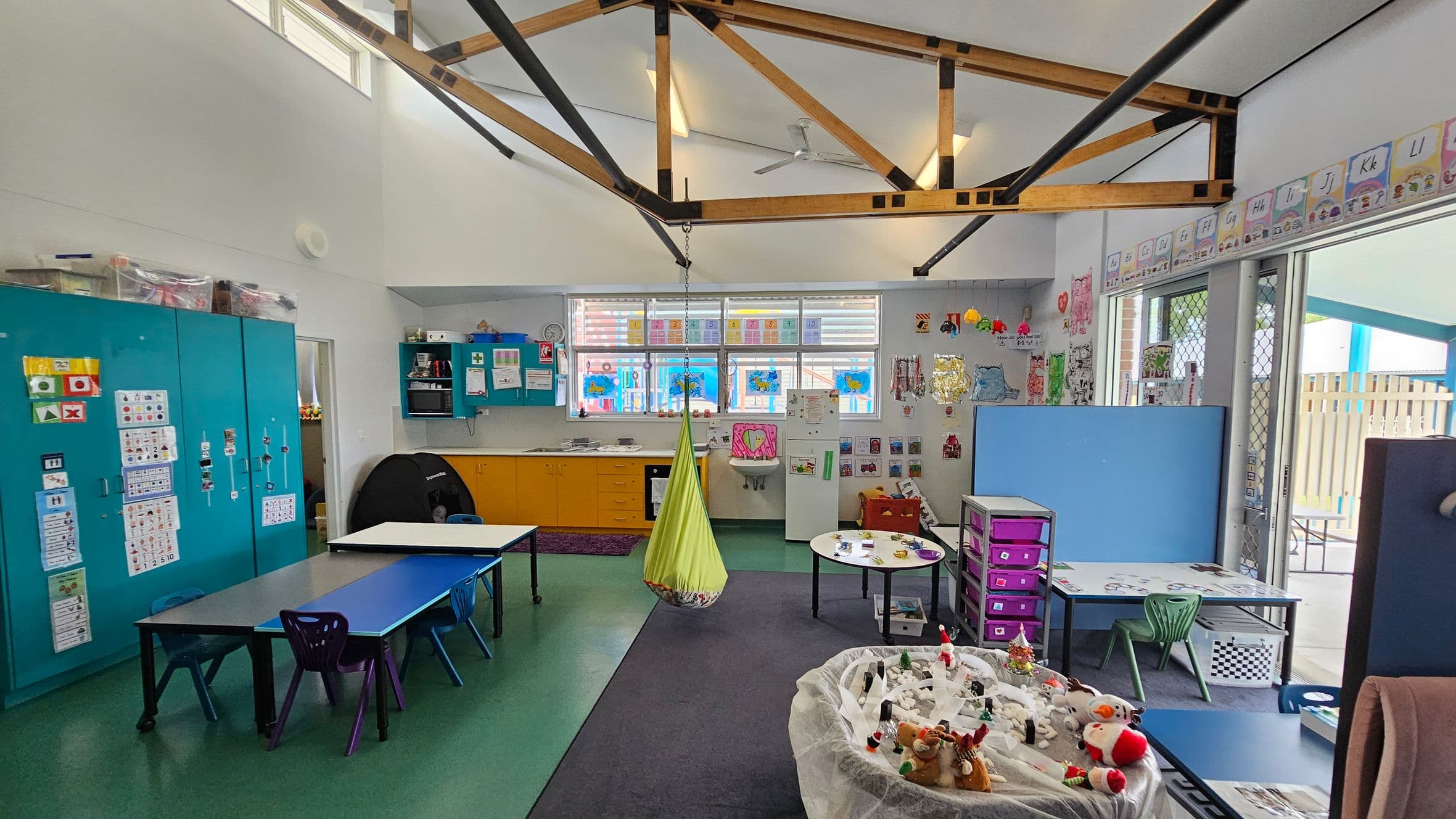
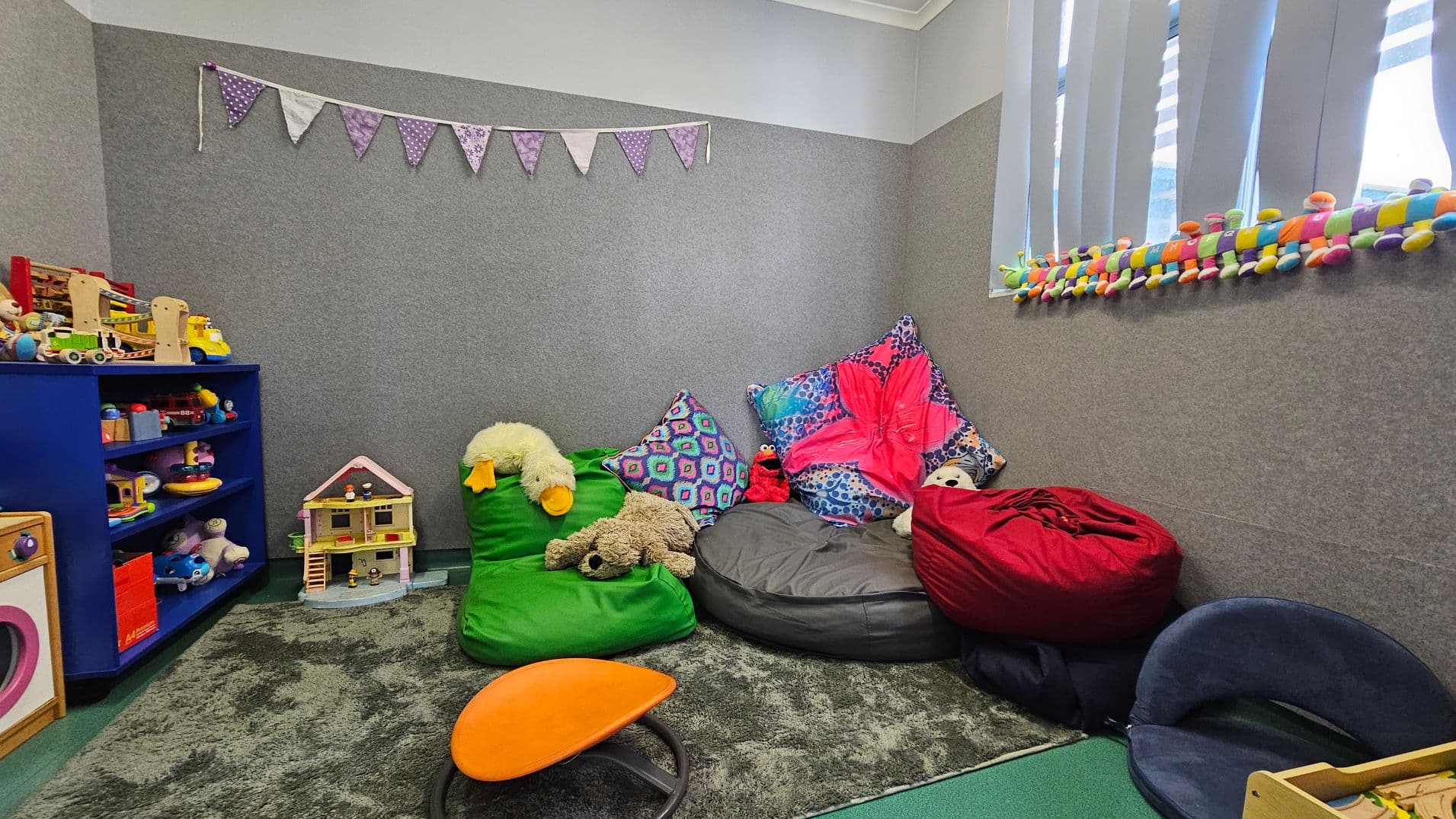
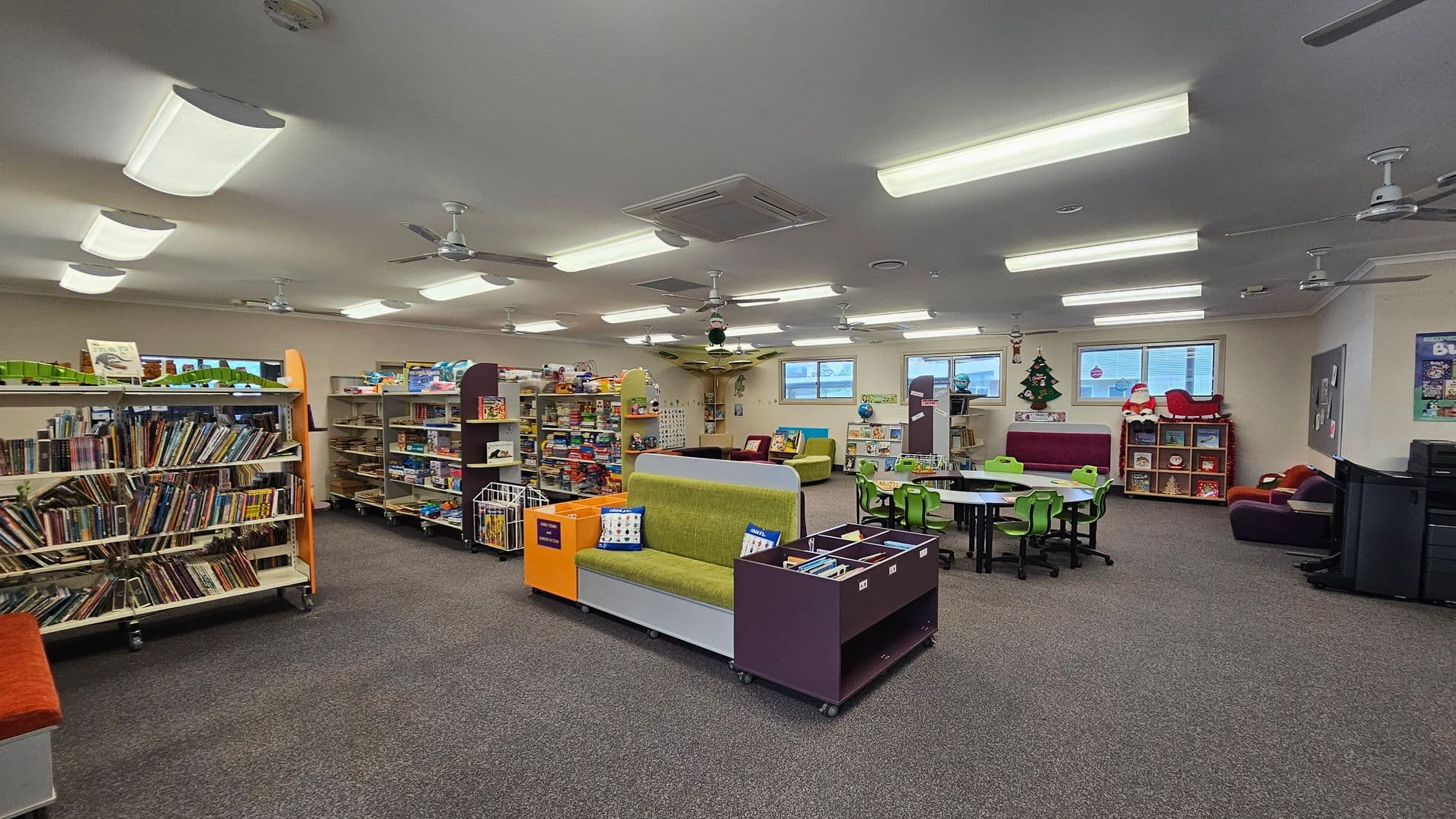
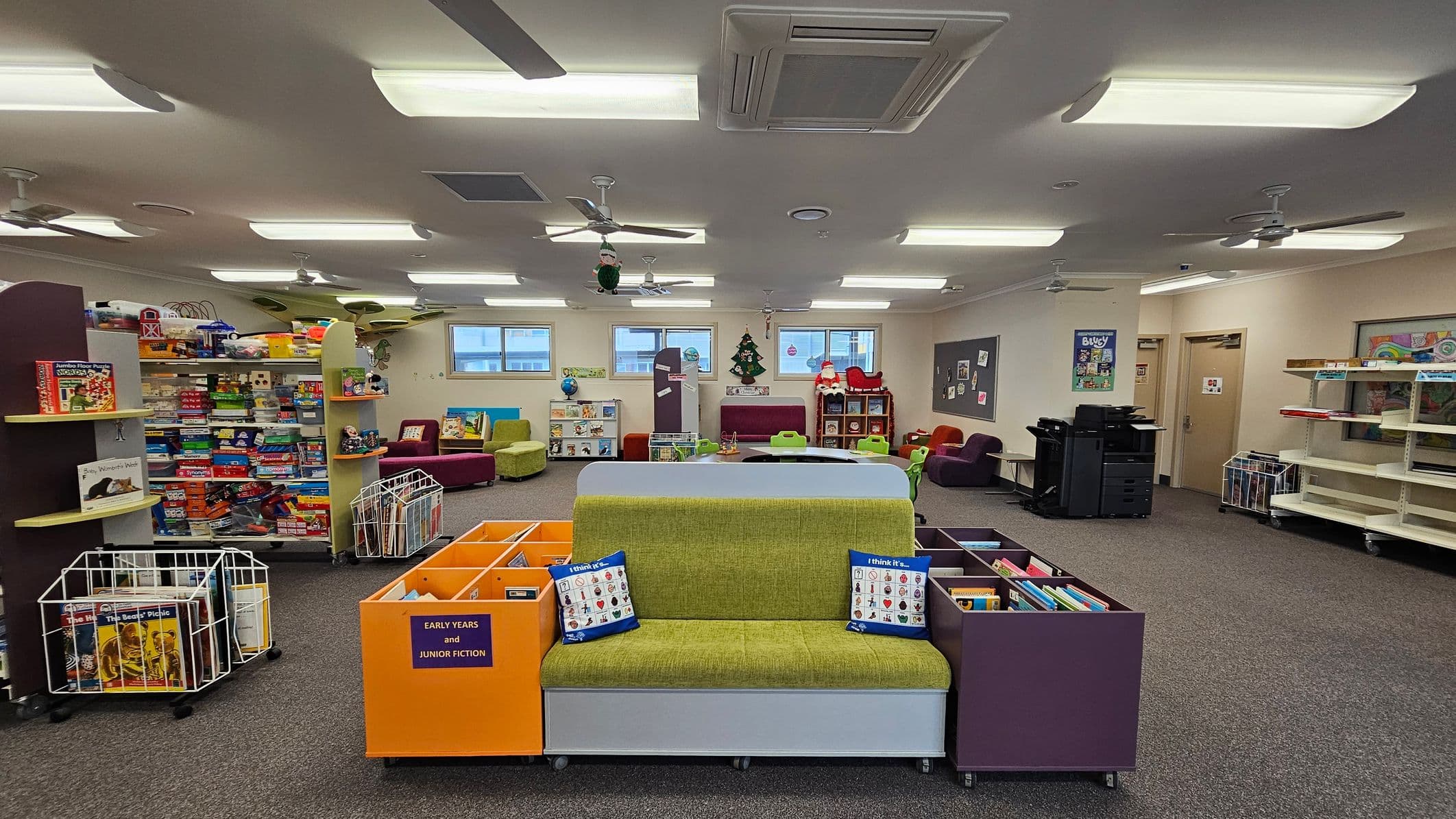
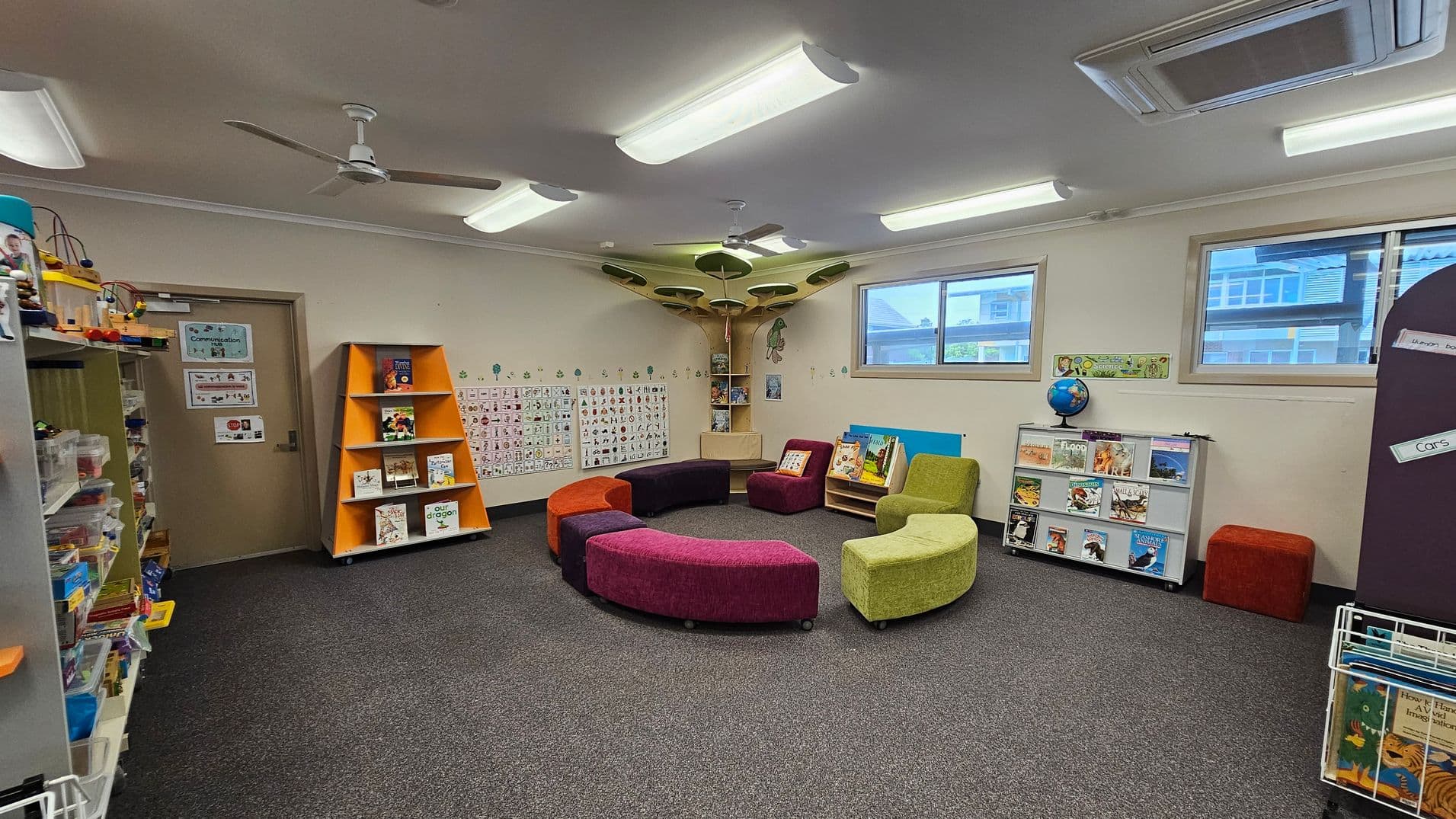
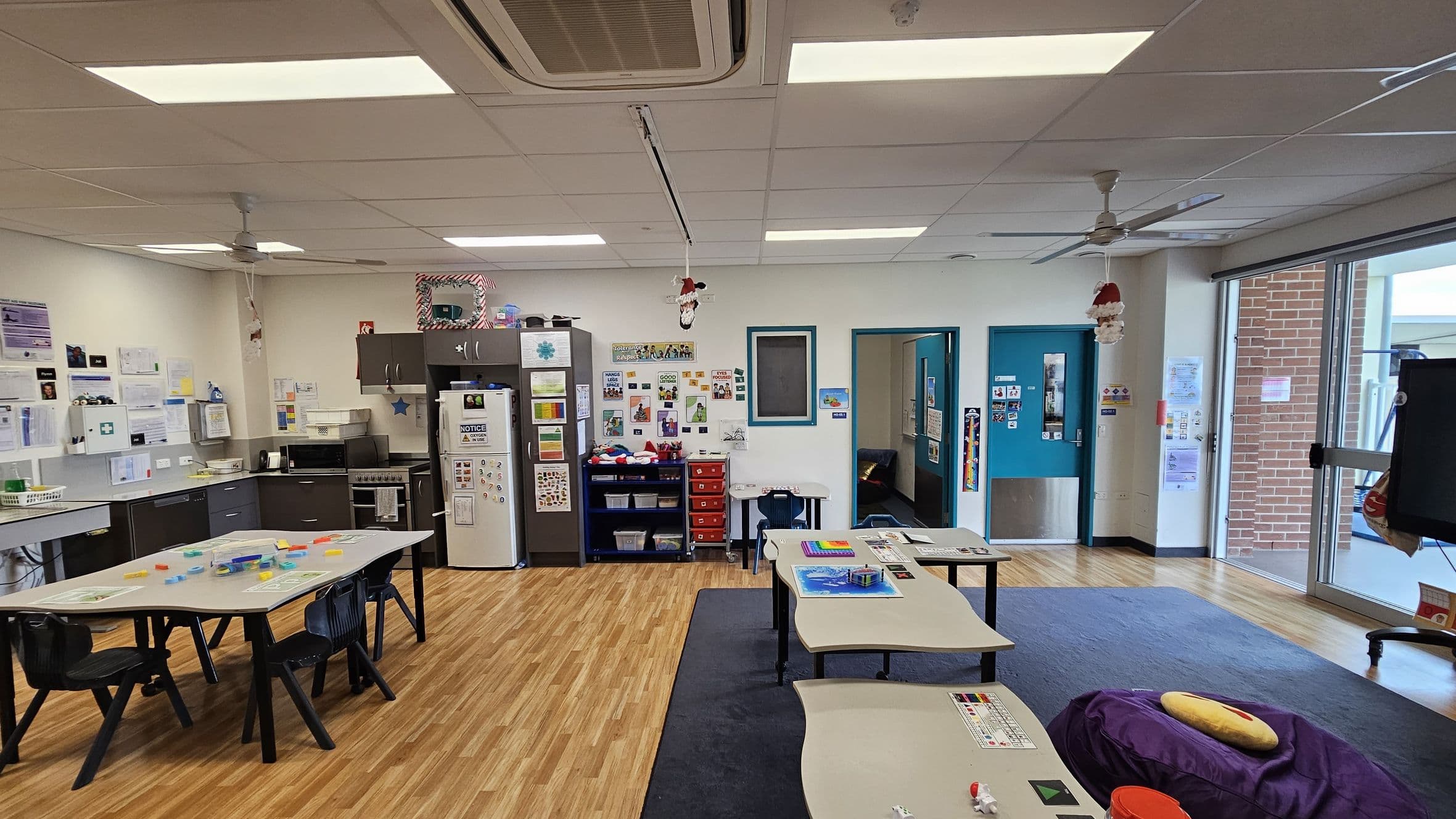
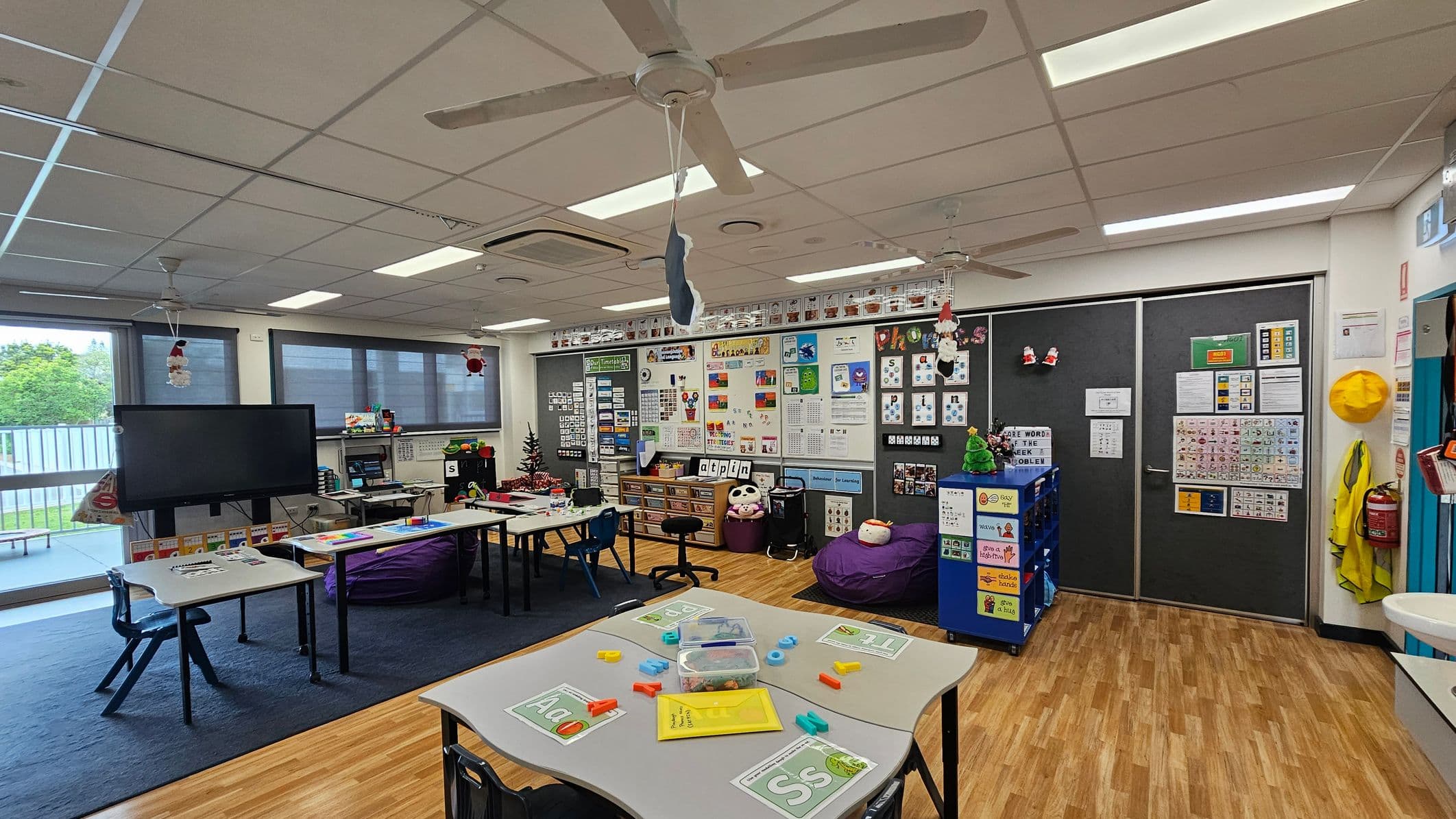
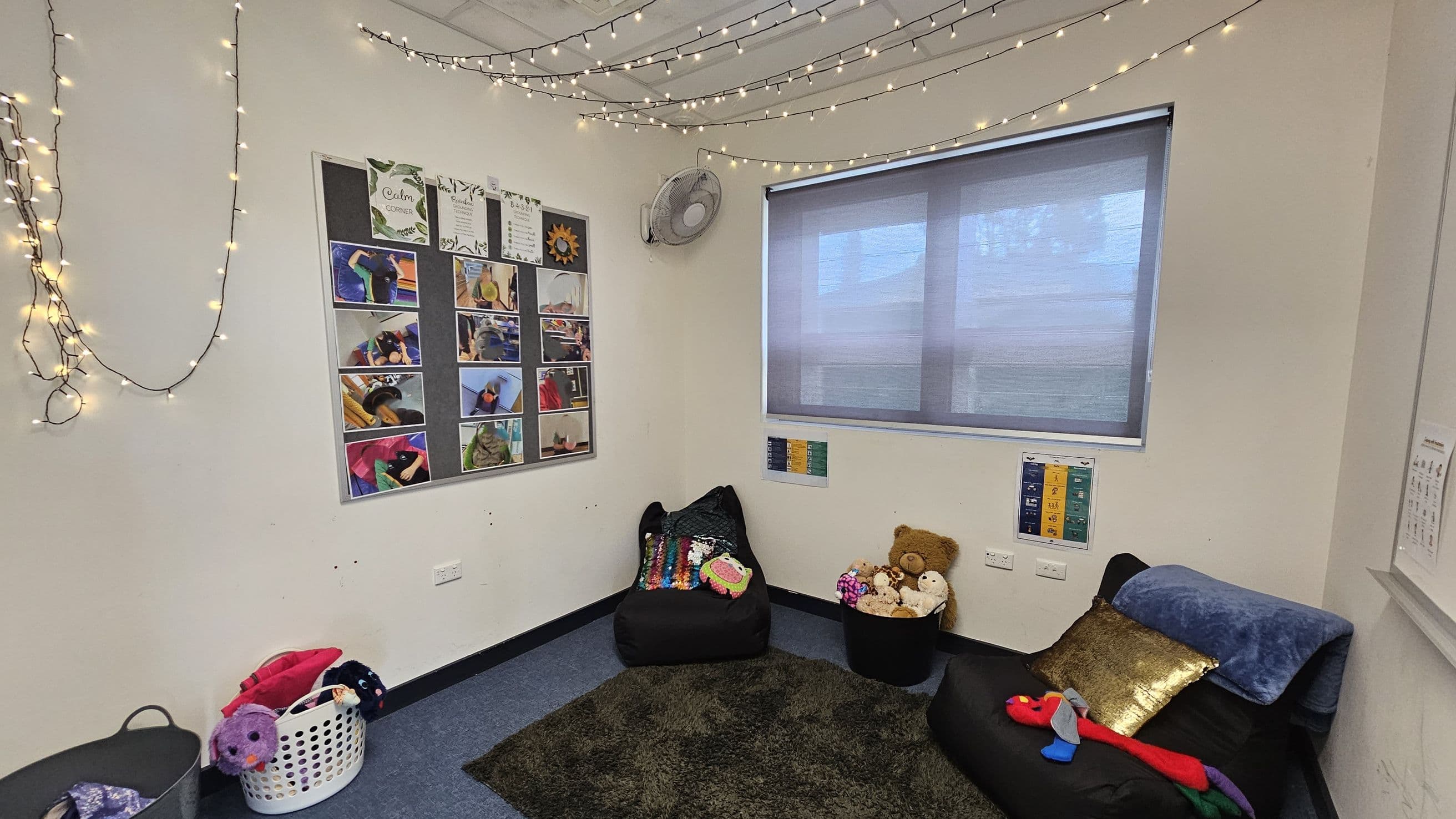
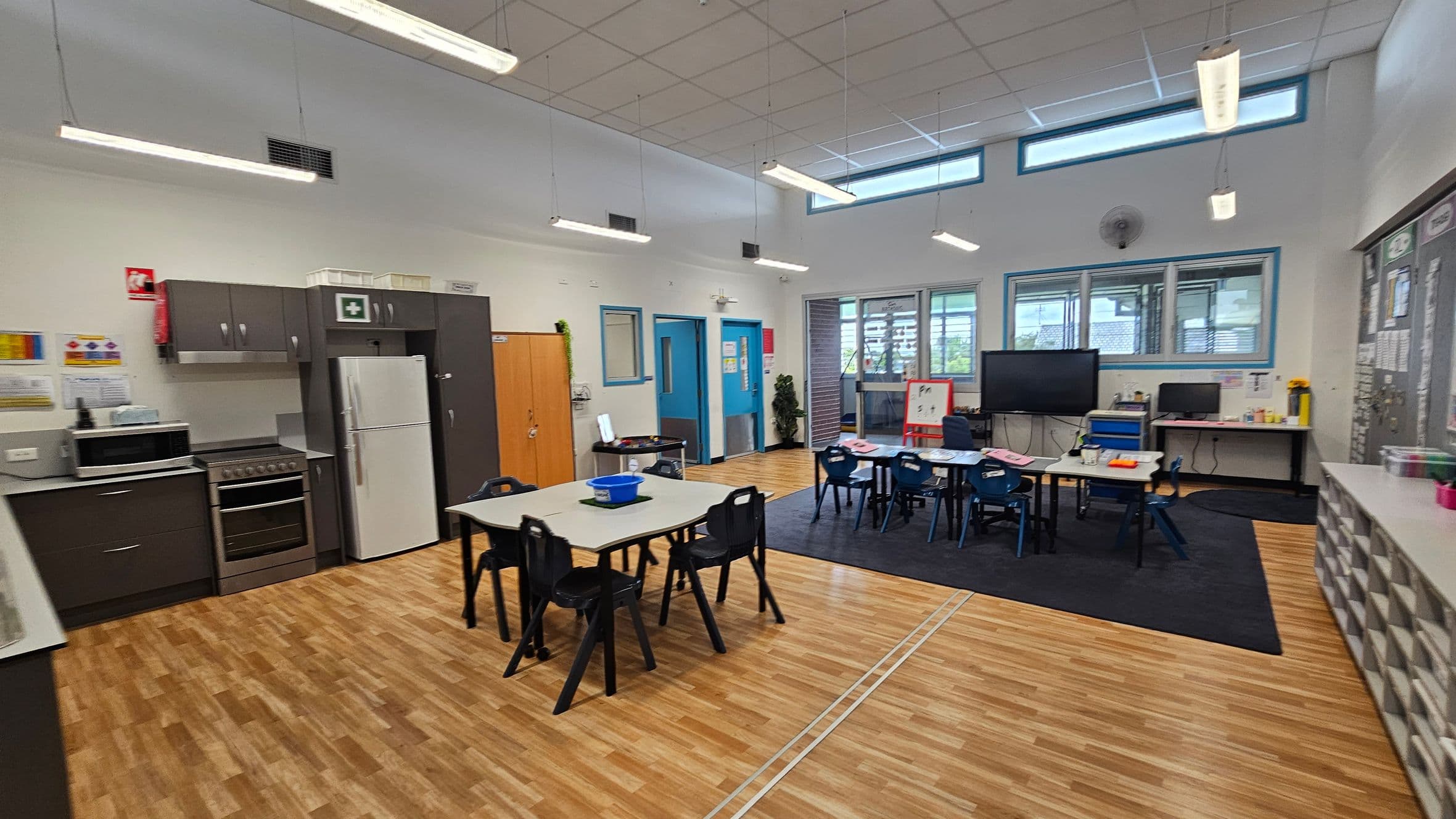
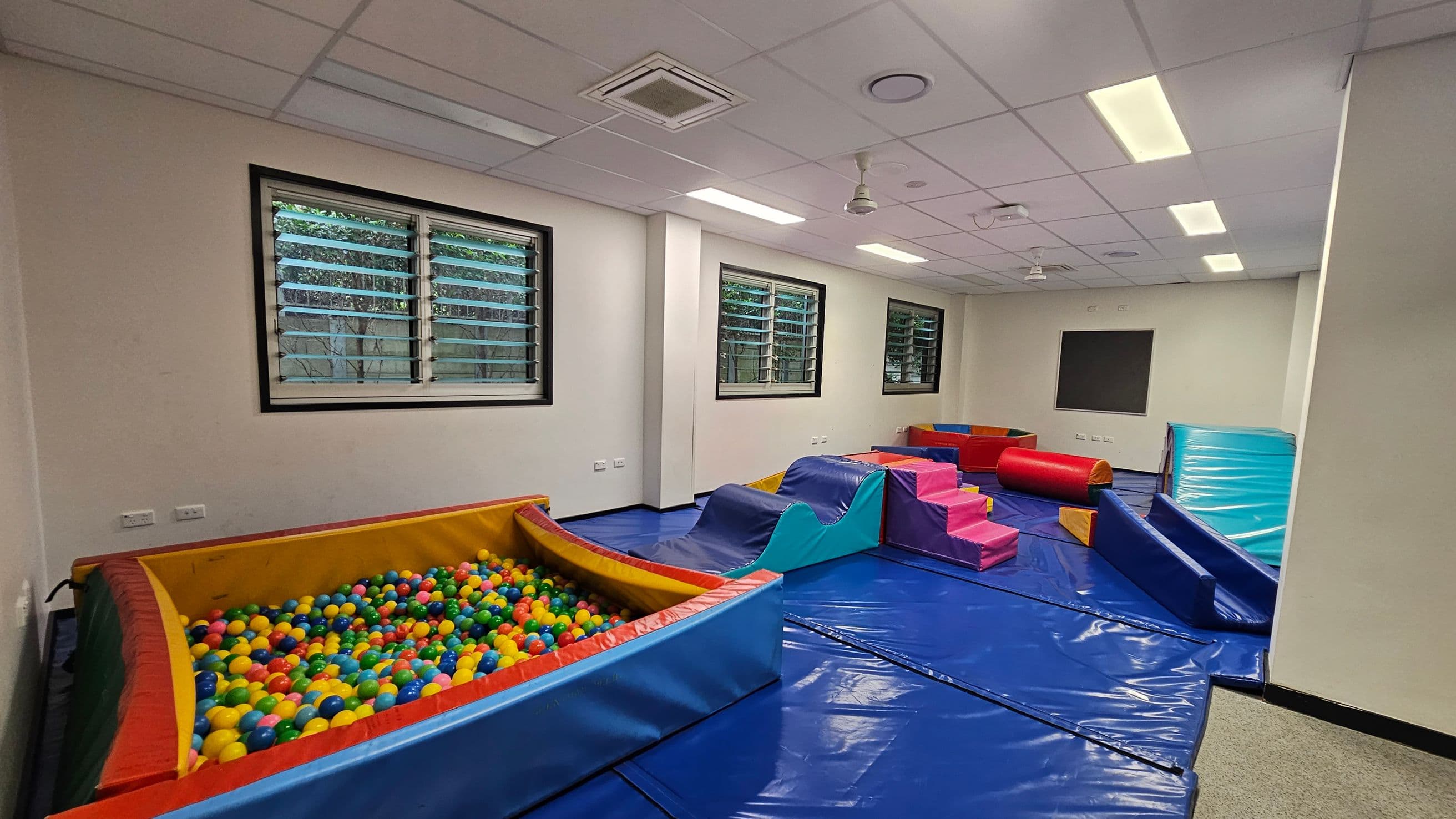
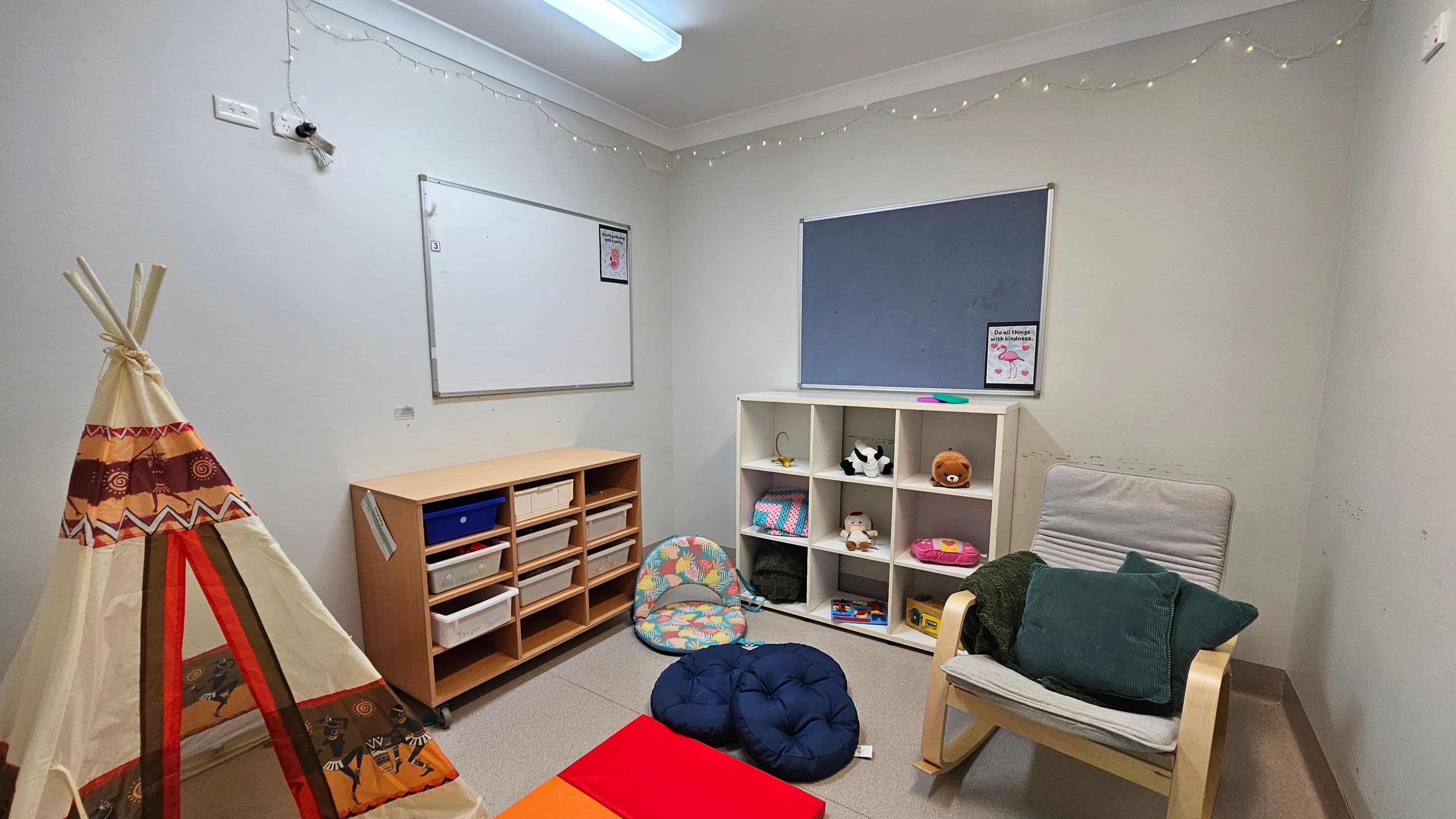
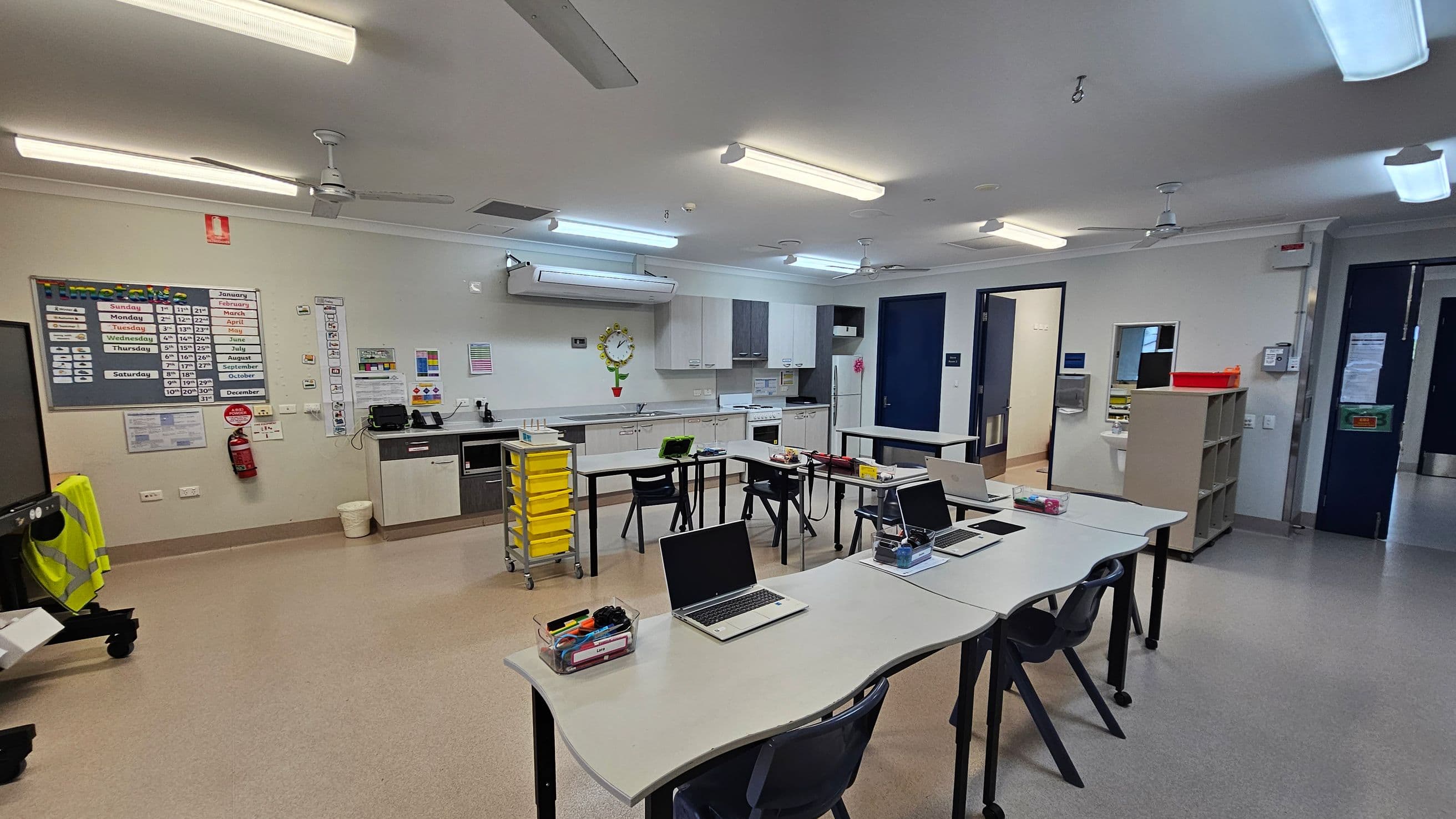
• A quiet space is available at the venue/ facility
• Trained staff in communicating with people with learning or behavioural challenges
• Trained staff to use a DeafBlind Communicator (a portable device consisting of a DB-Phone and DB-Braille with QWERTY or Perkins keyboard)
• Provide clear, concise internal and external directional signage throughout your facility.
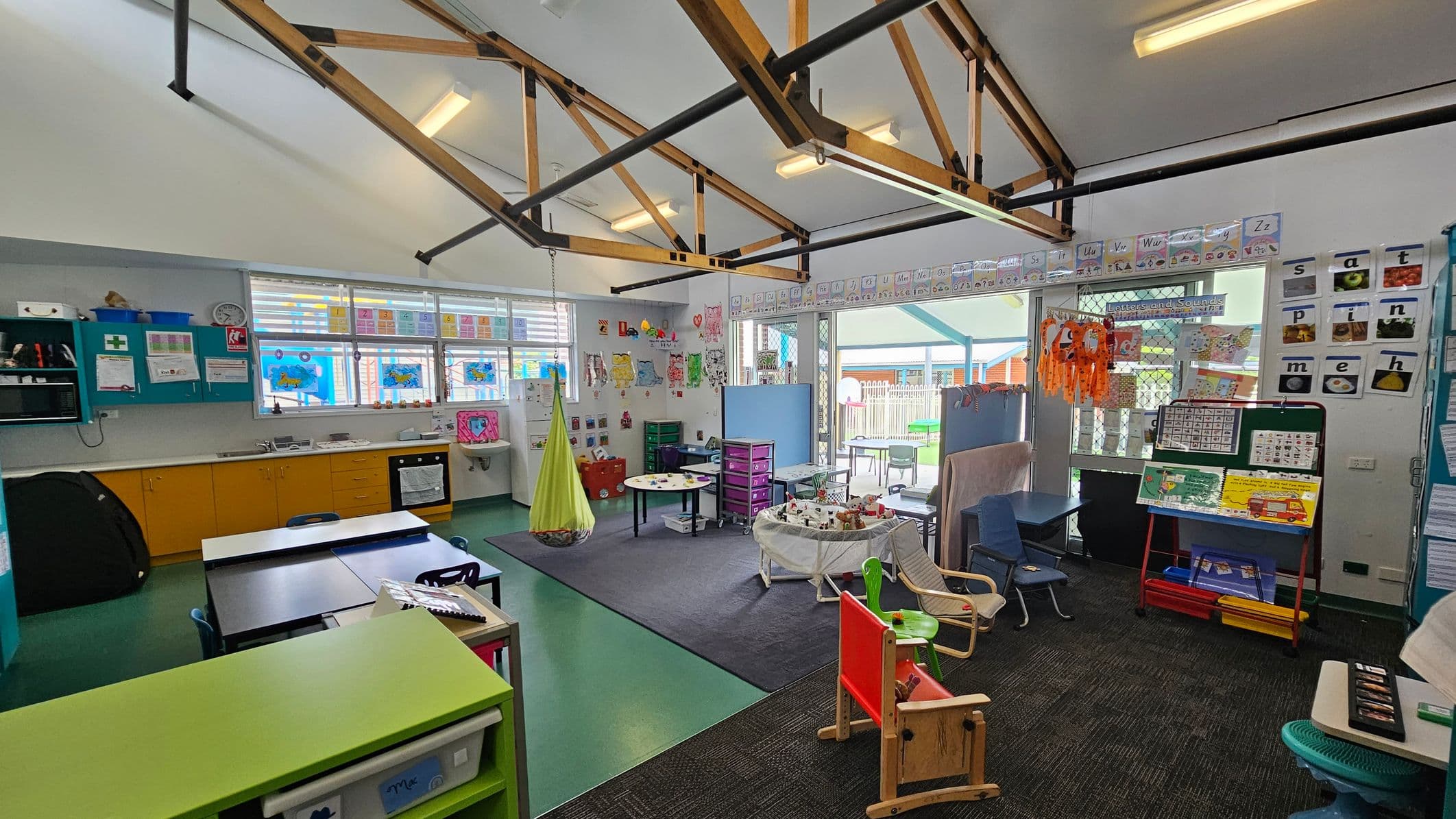
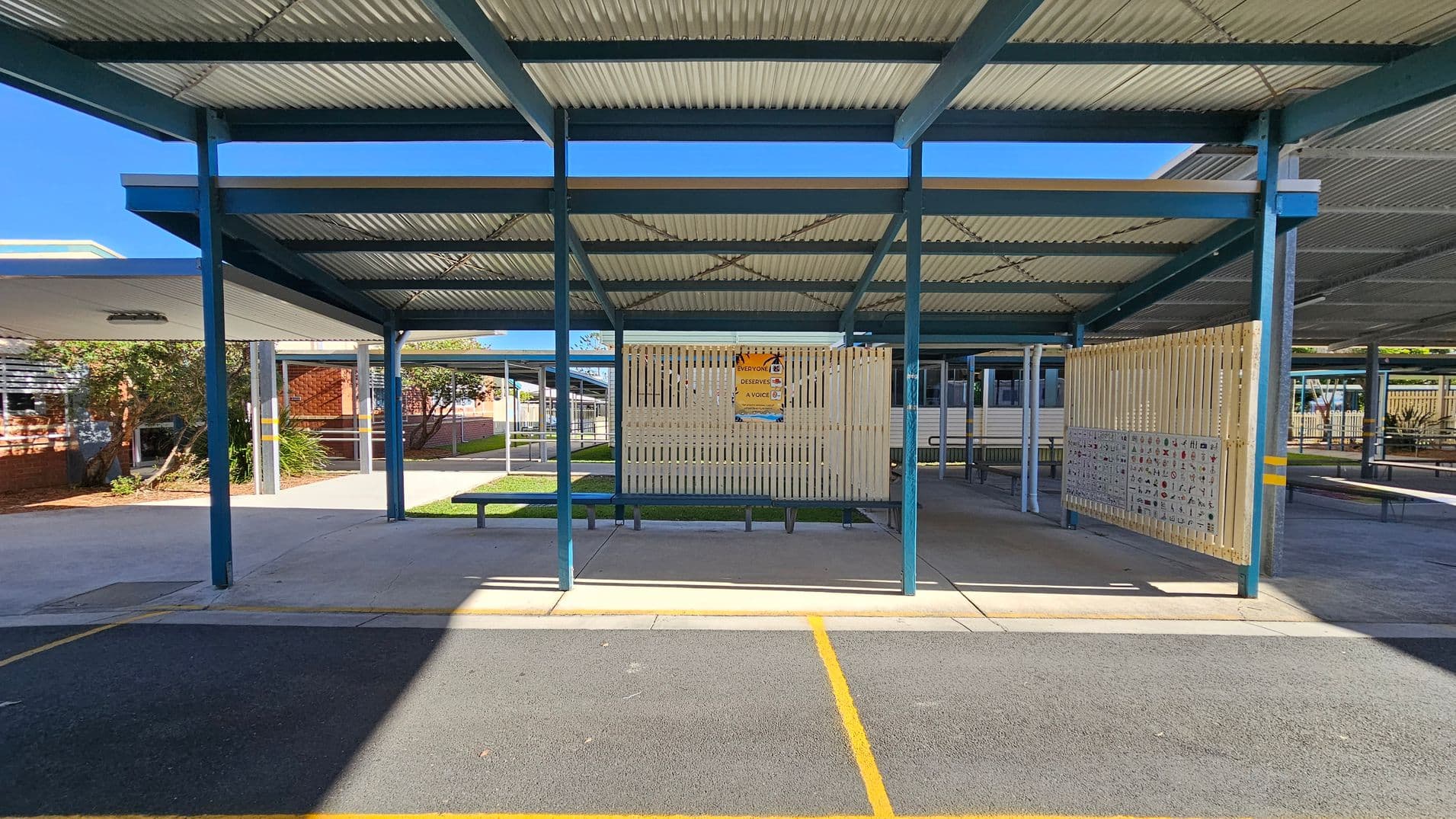
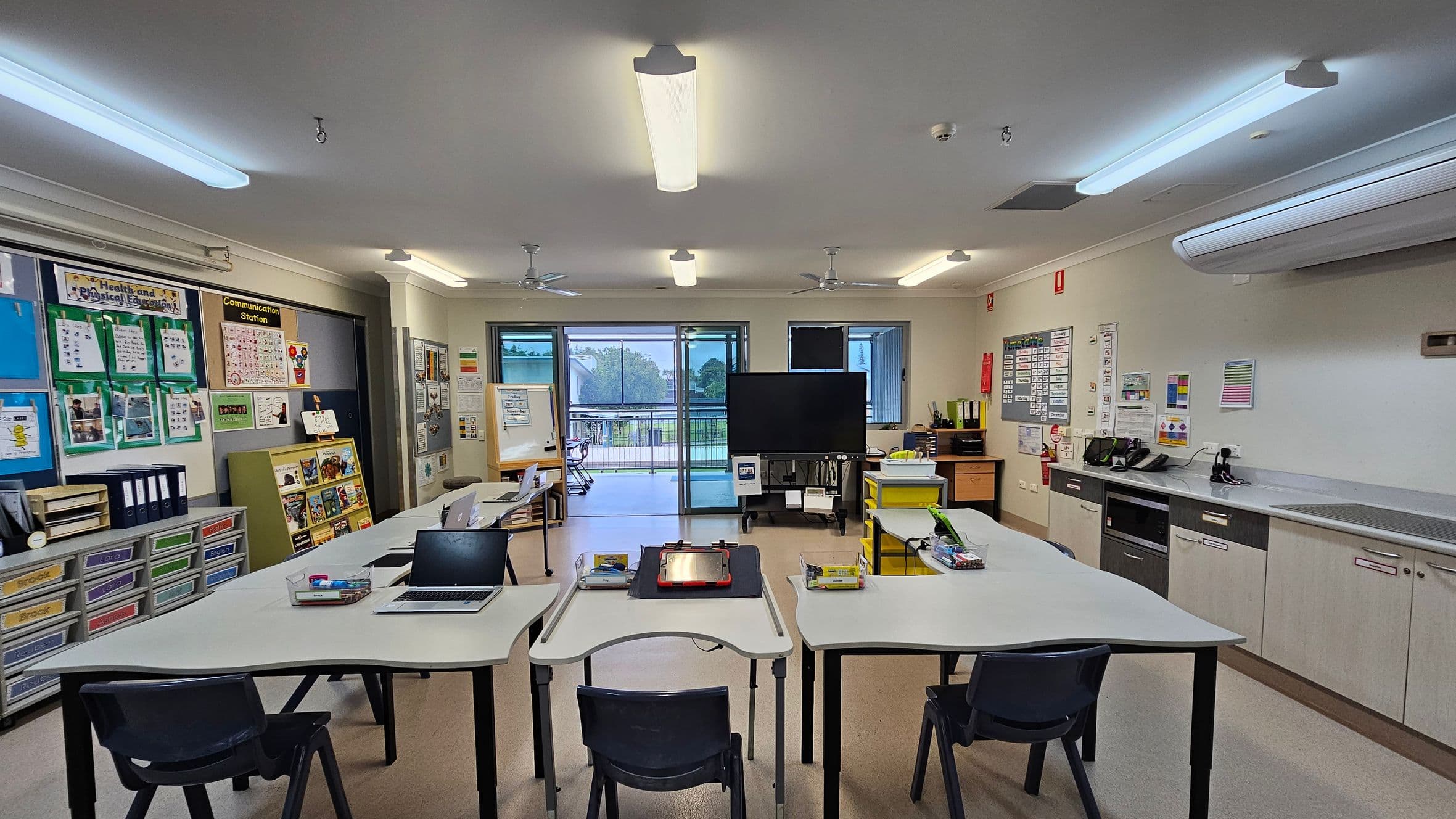
• Use communication boards to support communication
• Recognise the Sunflower Program
VISION
• Provide information in large print
• Provide information in audio format (includes an audio described map of your venue, audio descs of performances and/ or displays)
• Provide digital communication materials (hard copy information is also available on line)
• Have an appropriate area for toileting an assistance dog
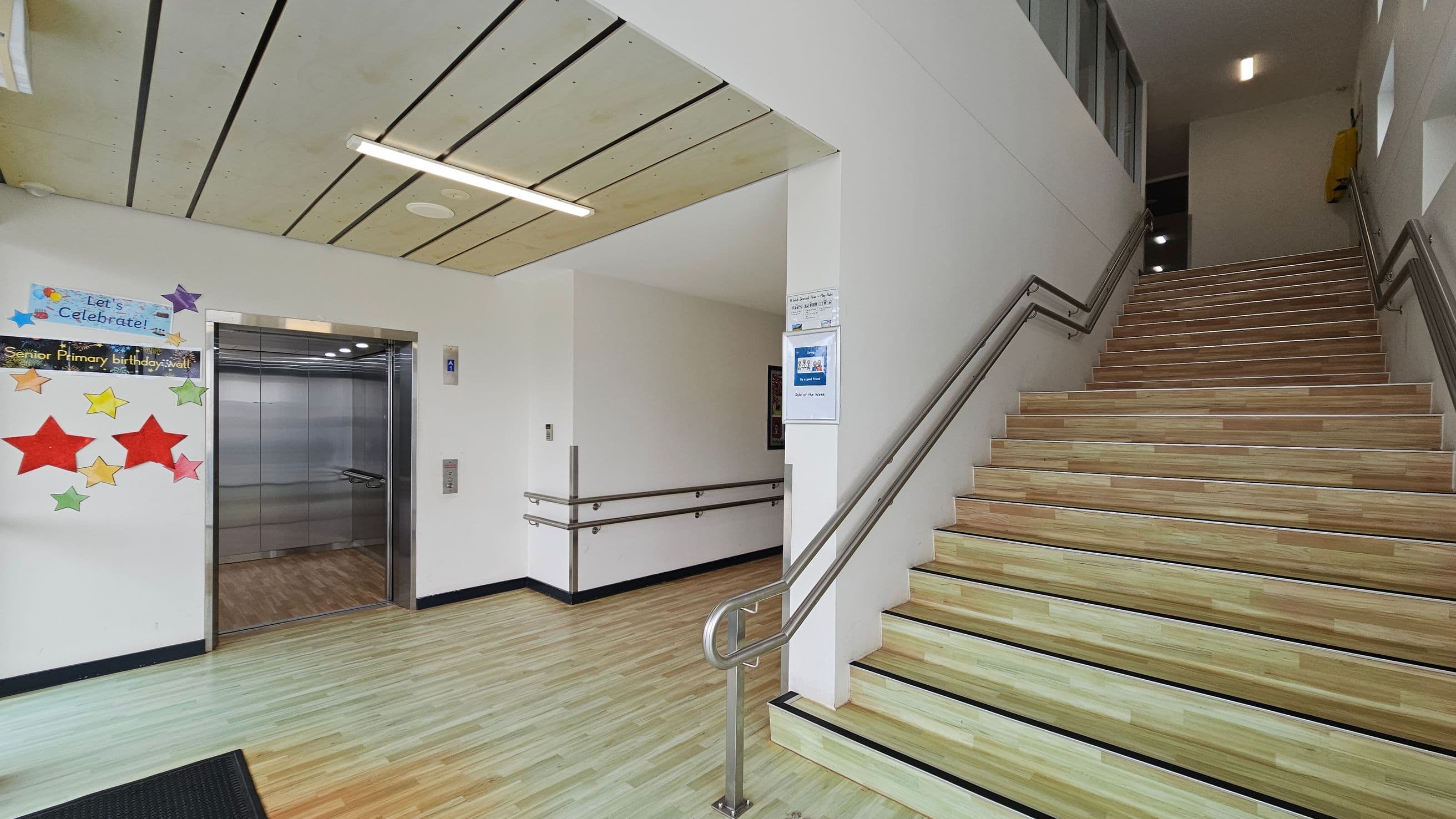
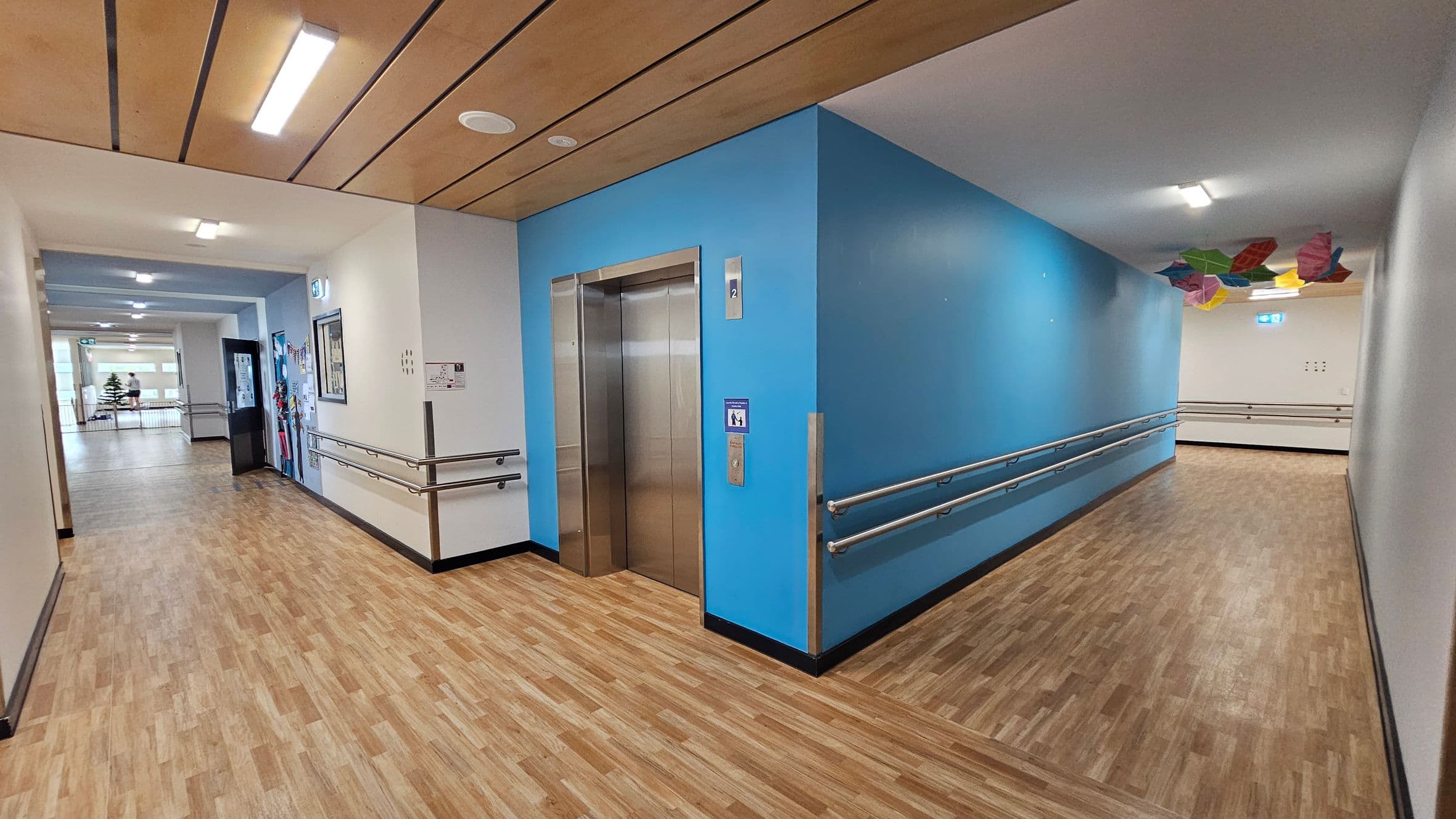
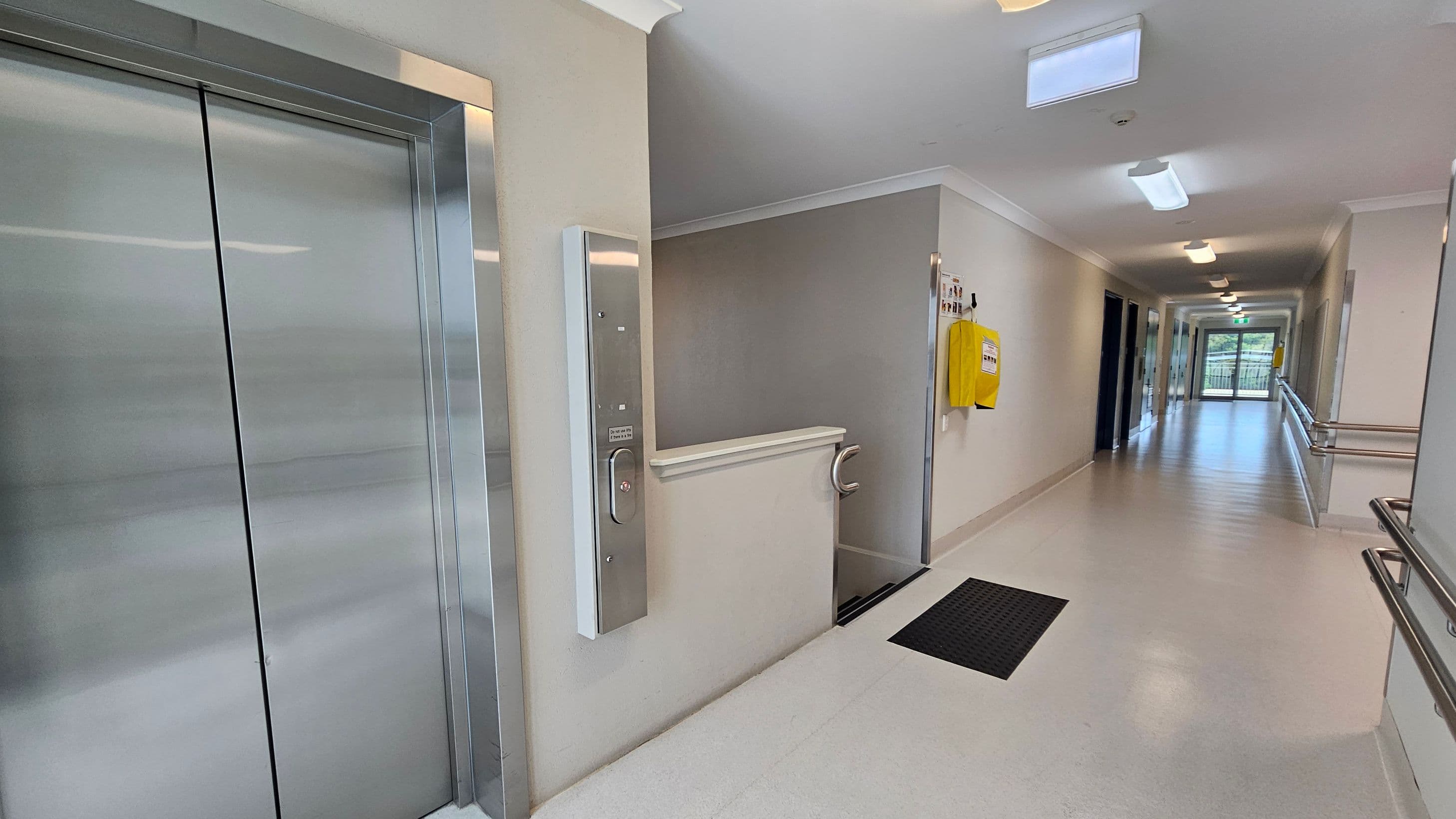
• Have audio enabled lifts
• Have raised tactile buttons in our lifts
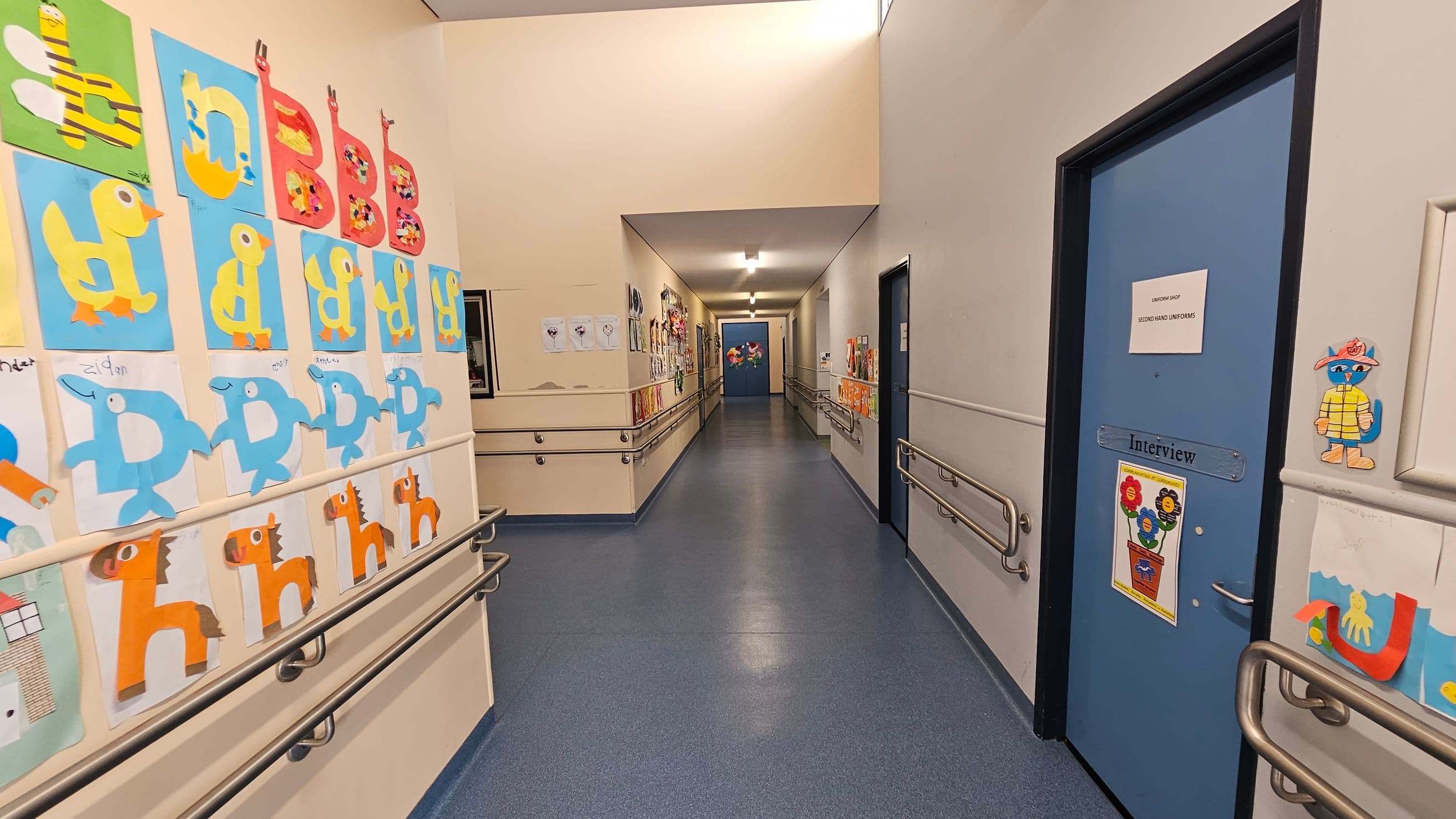
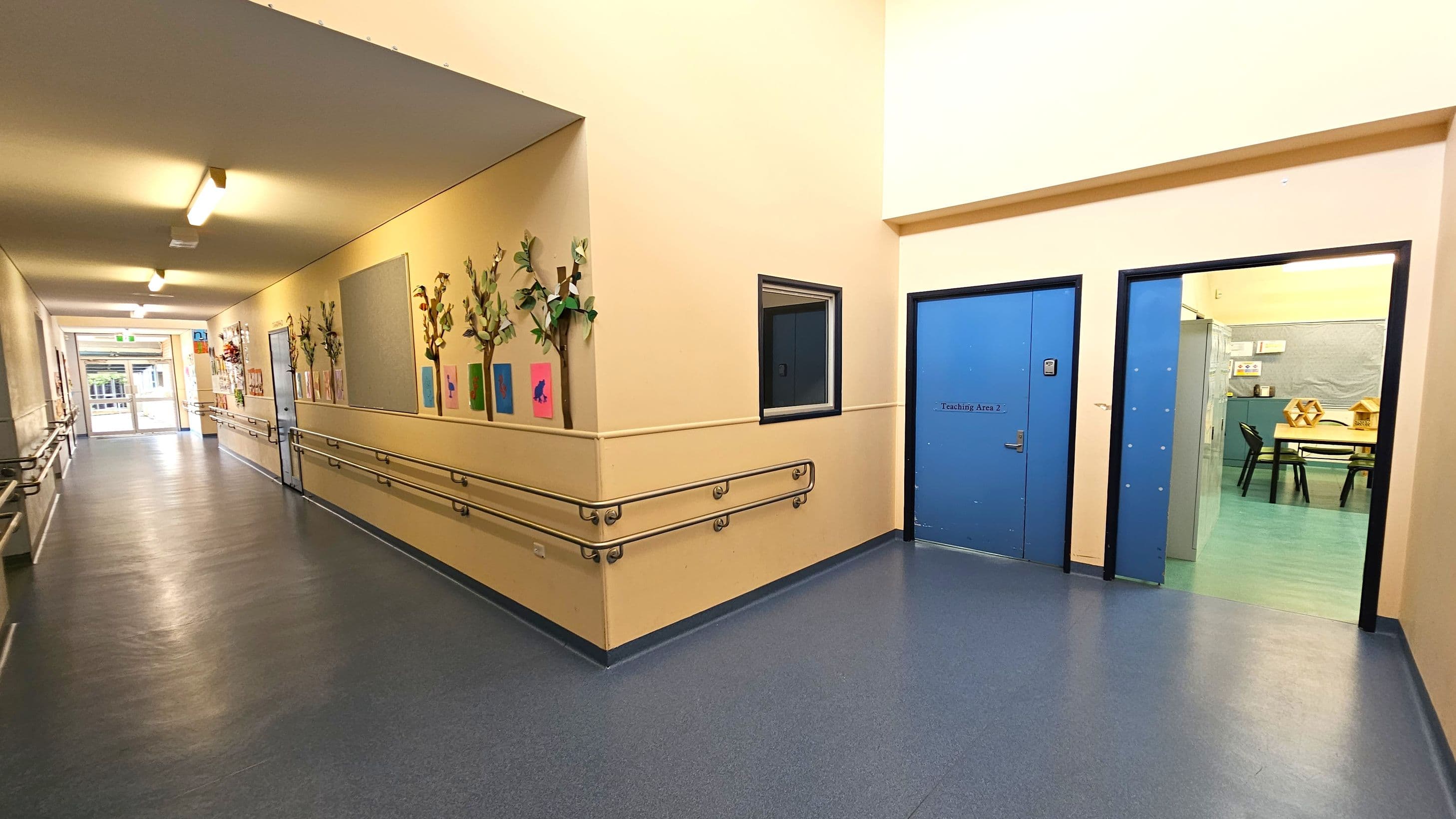
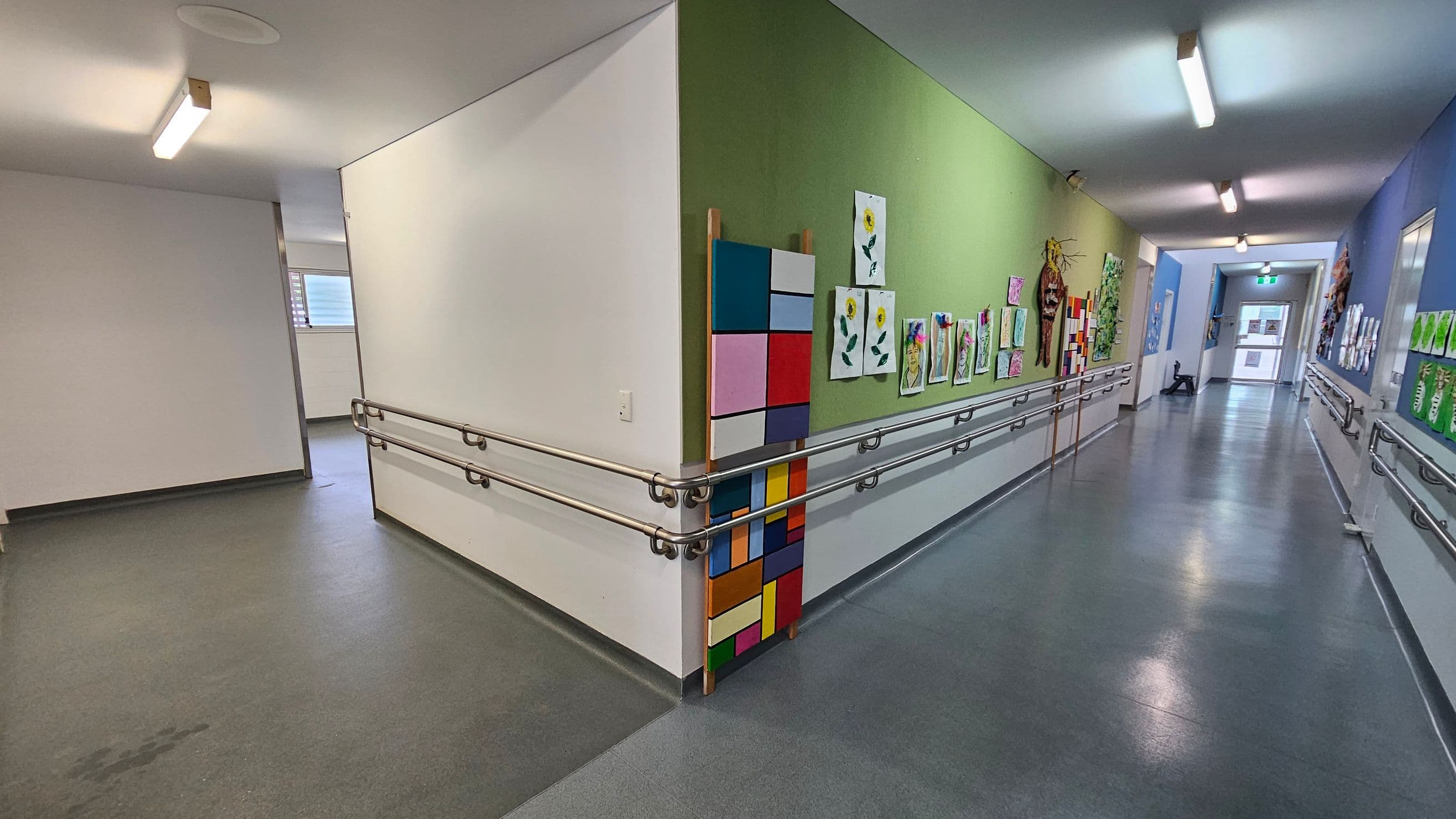
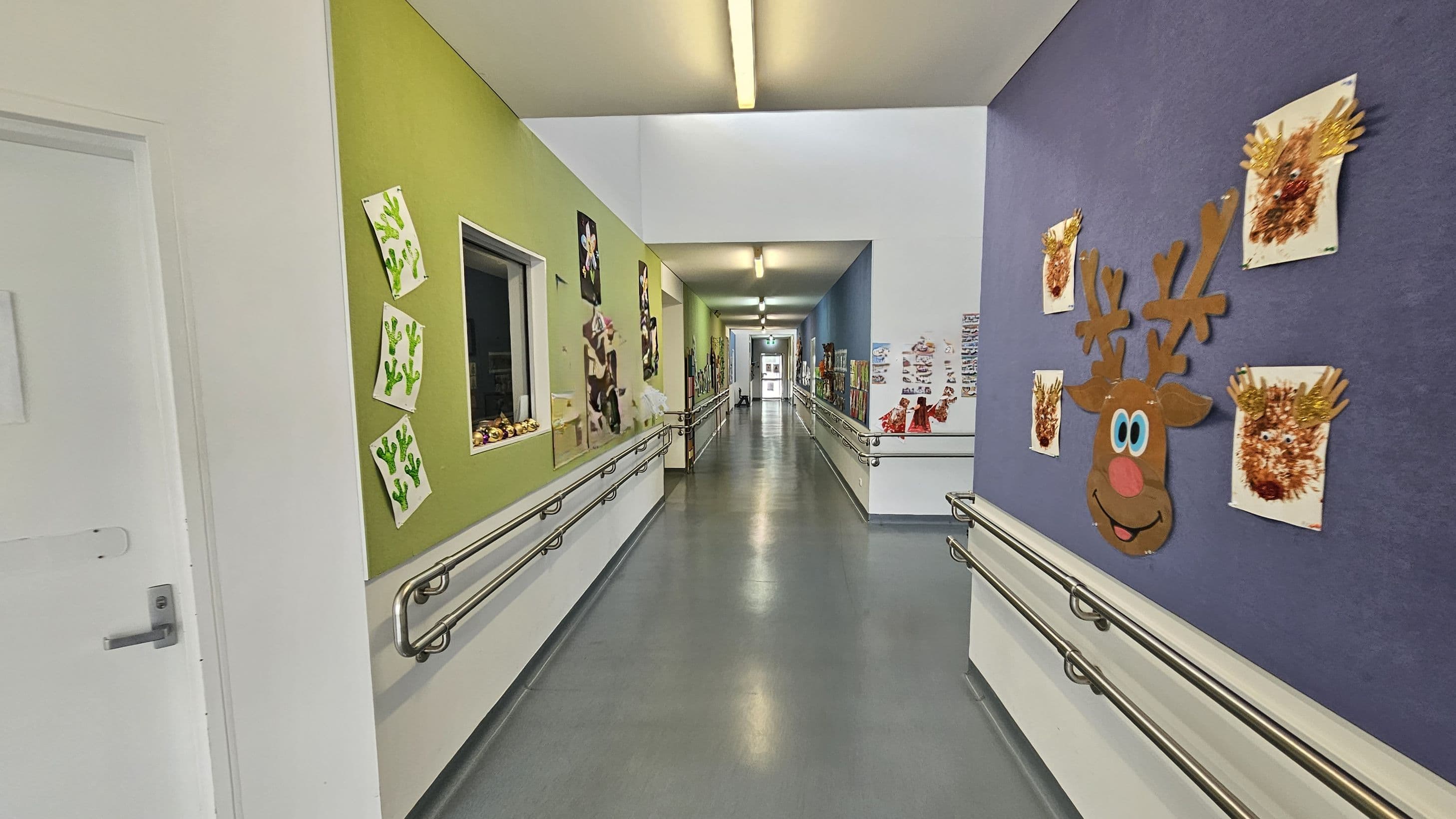
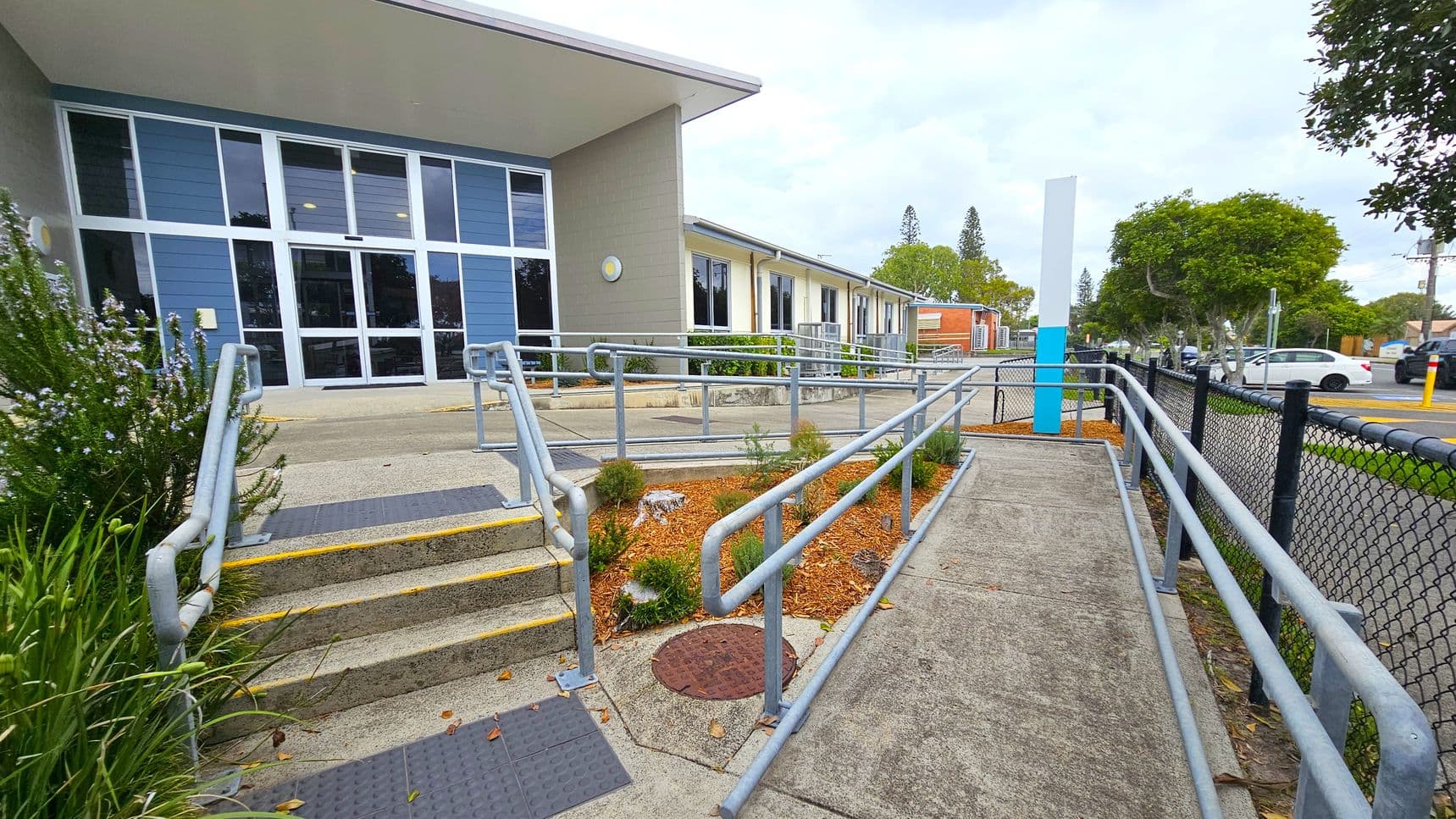
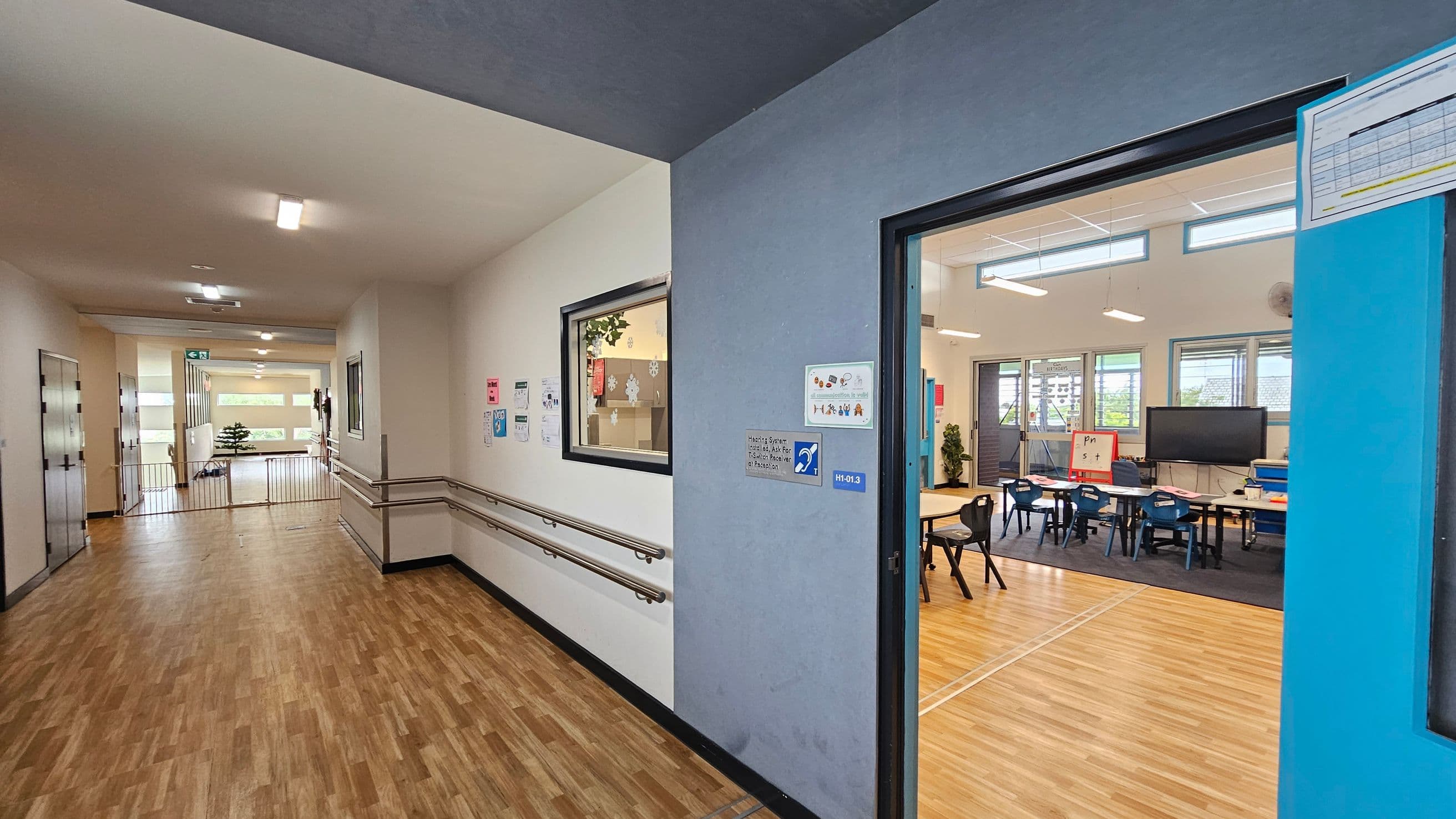
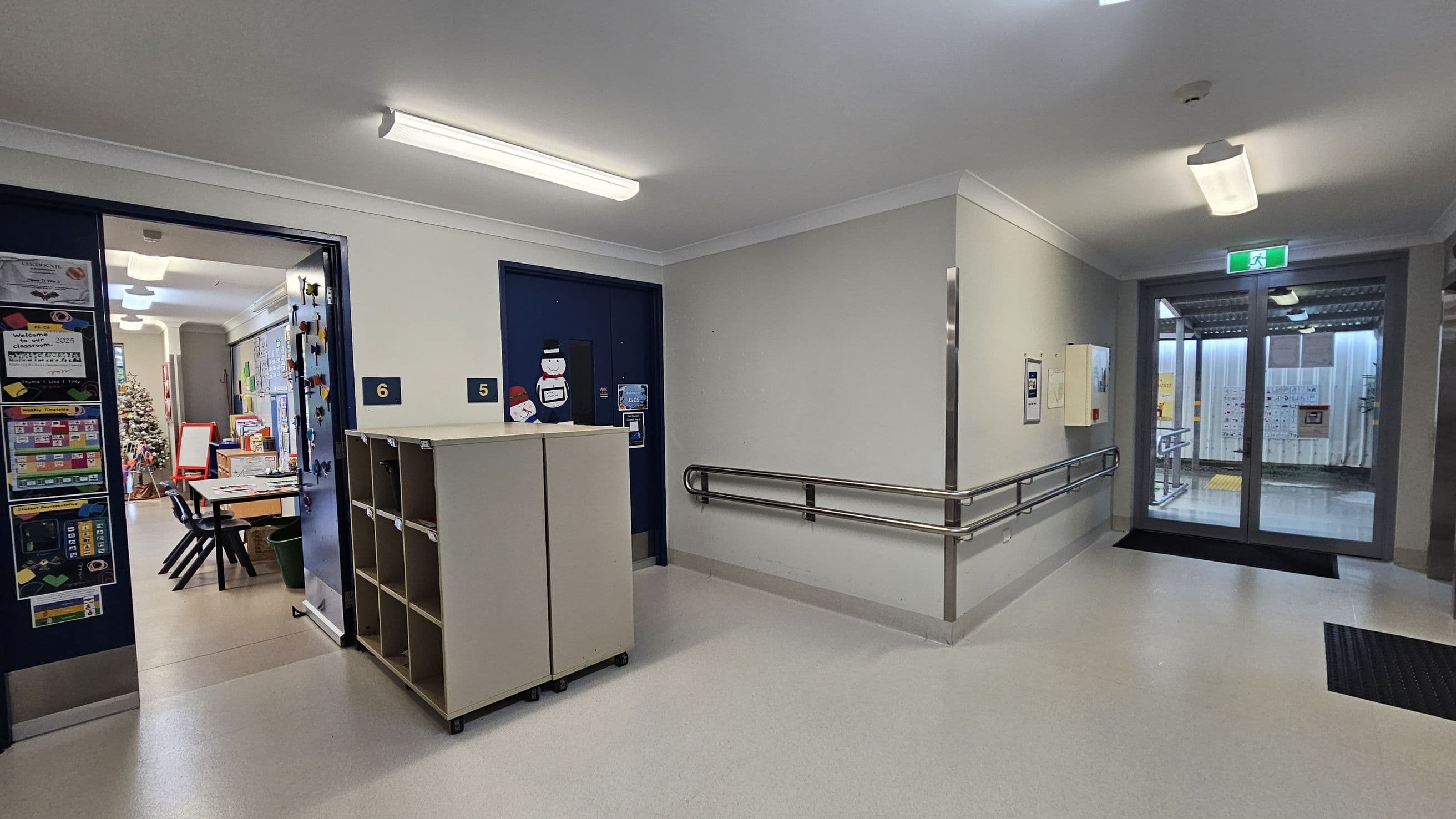
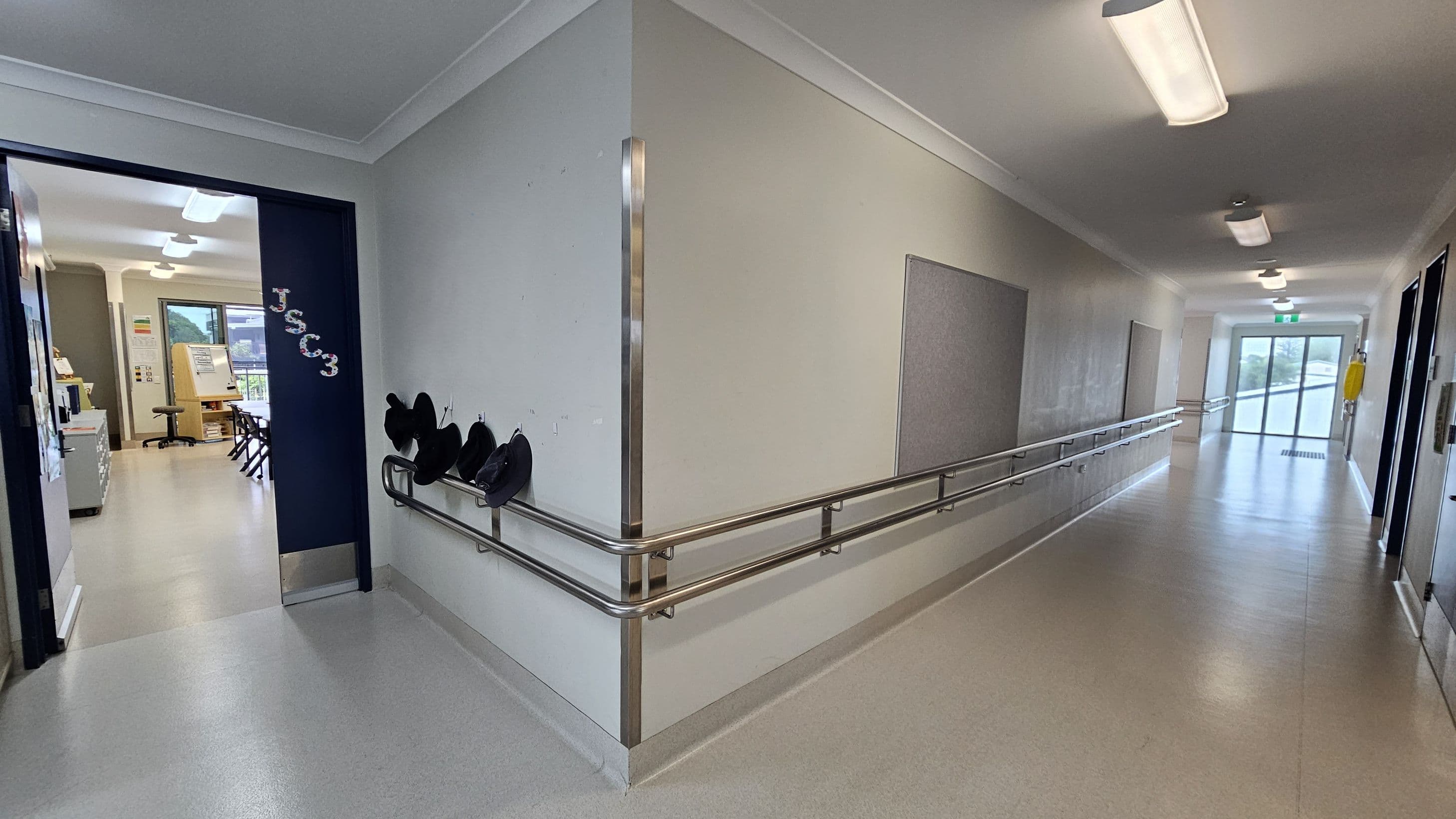
• Have handrails on all our stairways
• Have Exit signs which are visible at a ground level (high level signs are difficult to see in a fire)
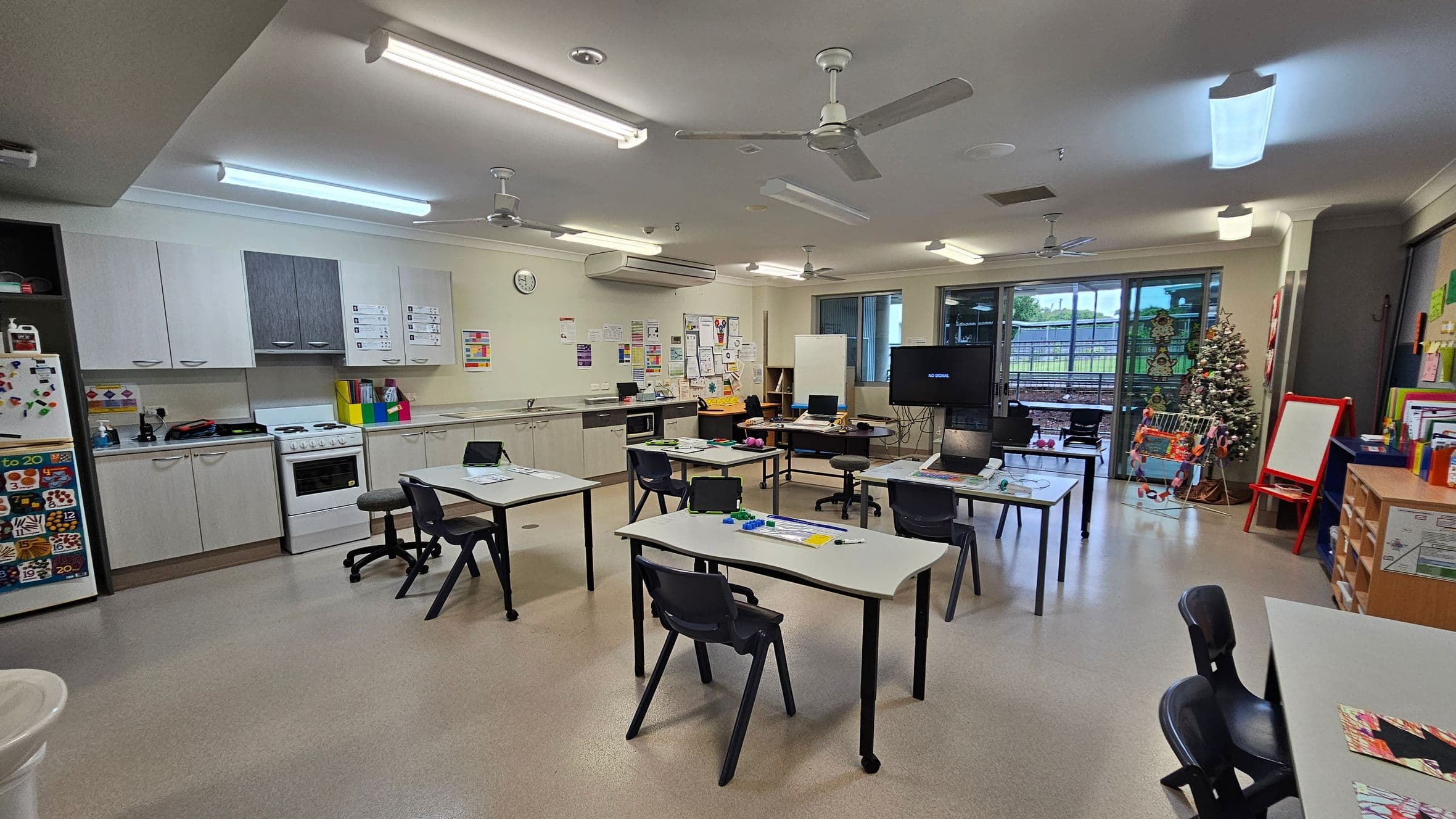
• Have effective lighting throughout facility.
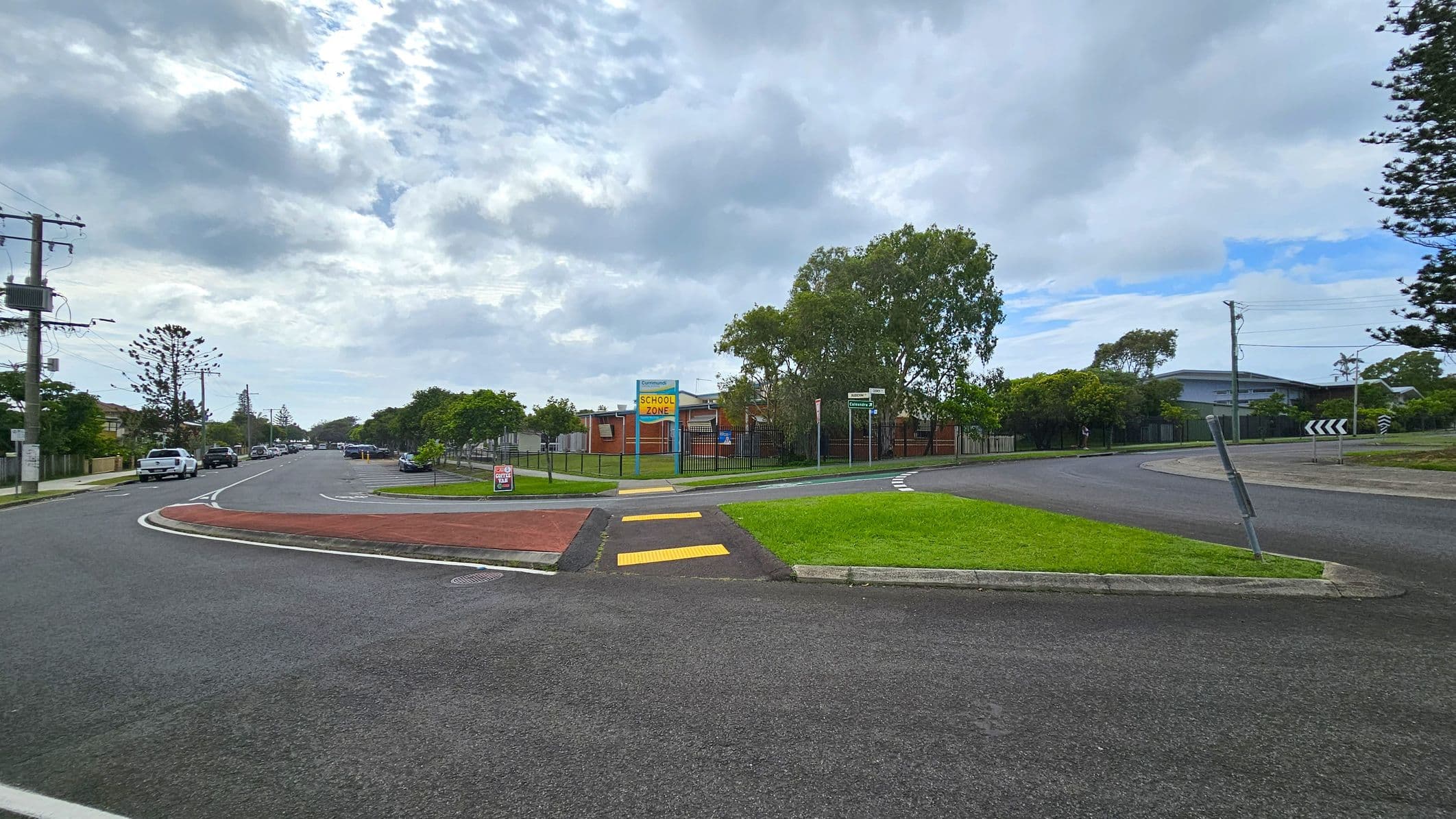
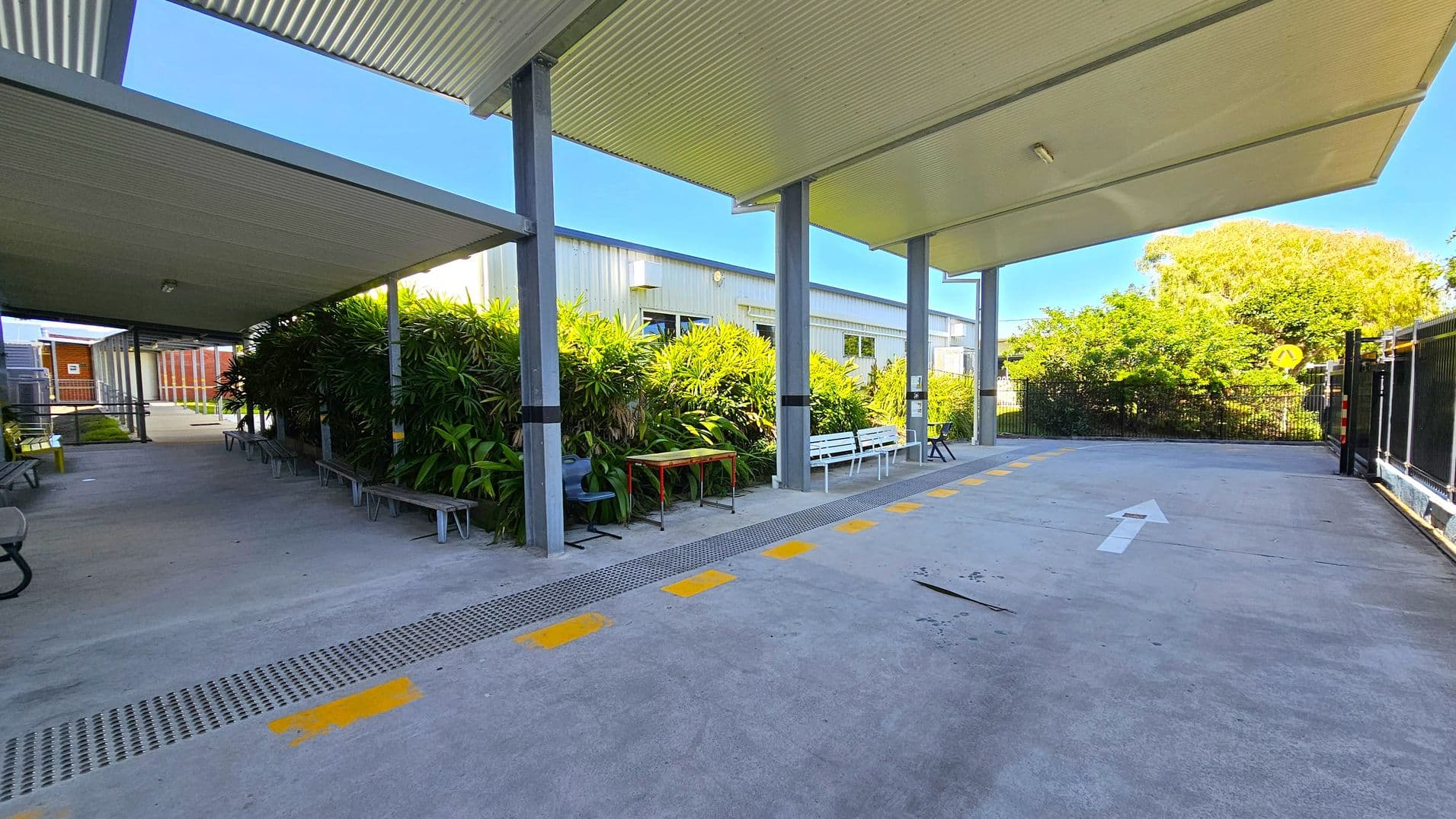
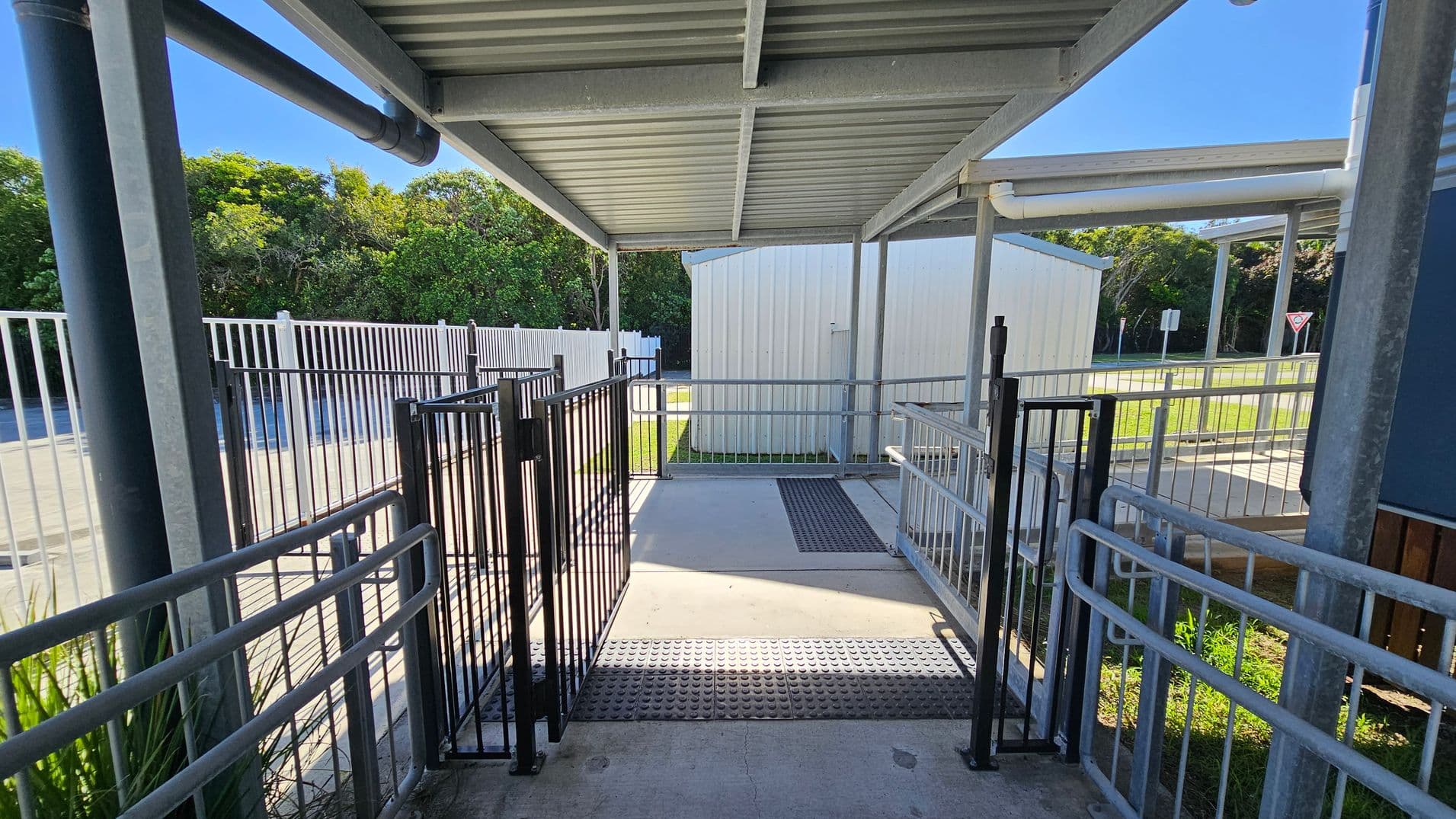
• Have tactile tiles prior to steps, ramps, jetties, piers and other hazards.
• Use easy read fonts in our signage and communication materials
HEARING
• Have a hearing loop
• Staff are trained in communicating with people who are deaf or have hearing loss
• Staff are trained in Auslan
• Caption all entertainment (TVs, live shows, performances)
• Have TVs with captioning option
• Have visual alerts for emergencies (Include flashing light)
• Have a low noise areas with hearing loss friendly acoustics and adequate lighting for viewing facial expressions
PHYSICAL - MOBILITY
• Use floors/coverings which are slip resistant, firm and smooth
• Use non-slip tiles in the bathroom or slip resistant matting
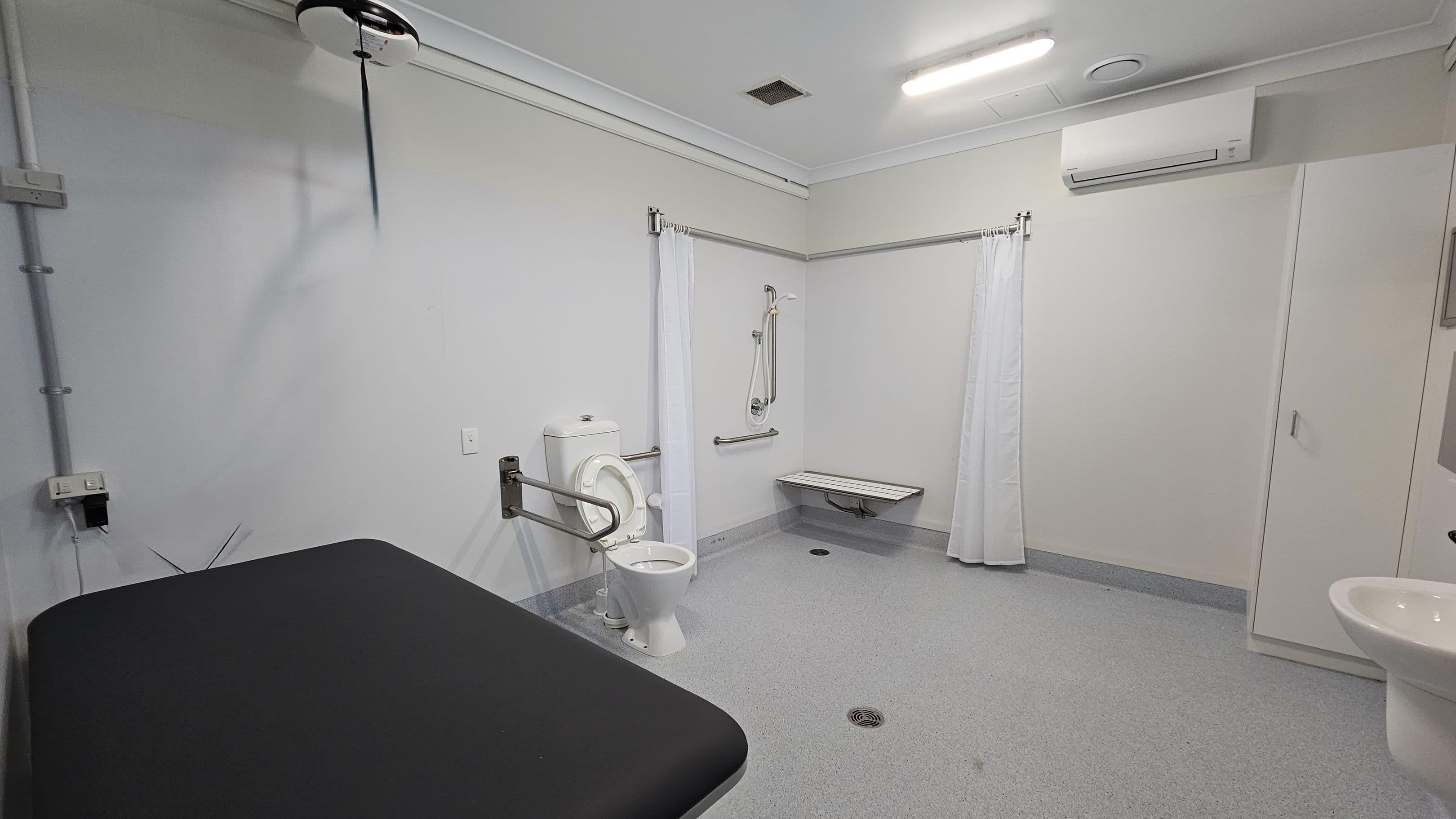
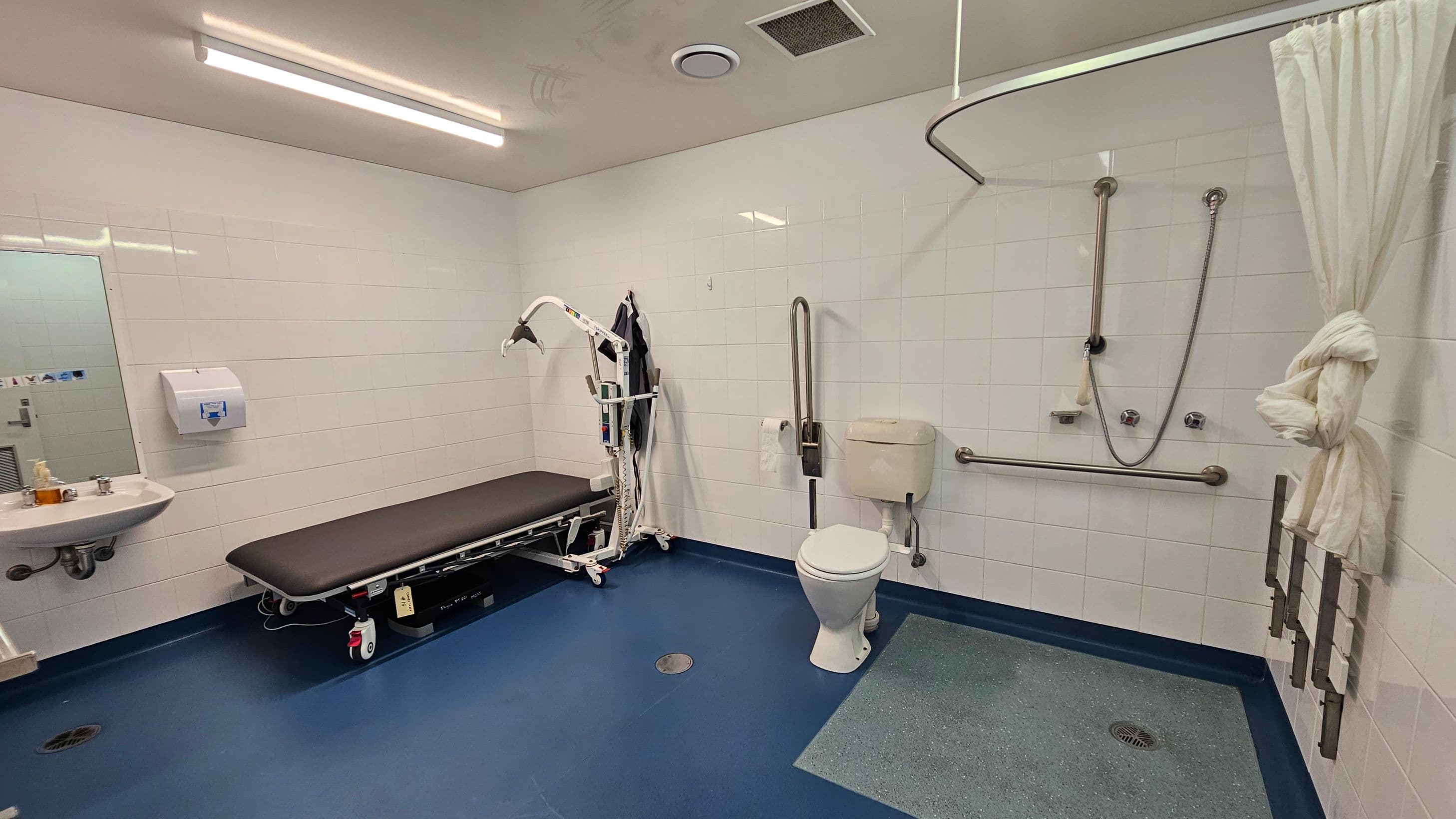
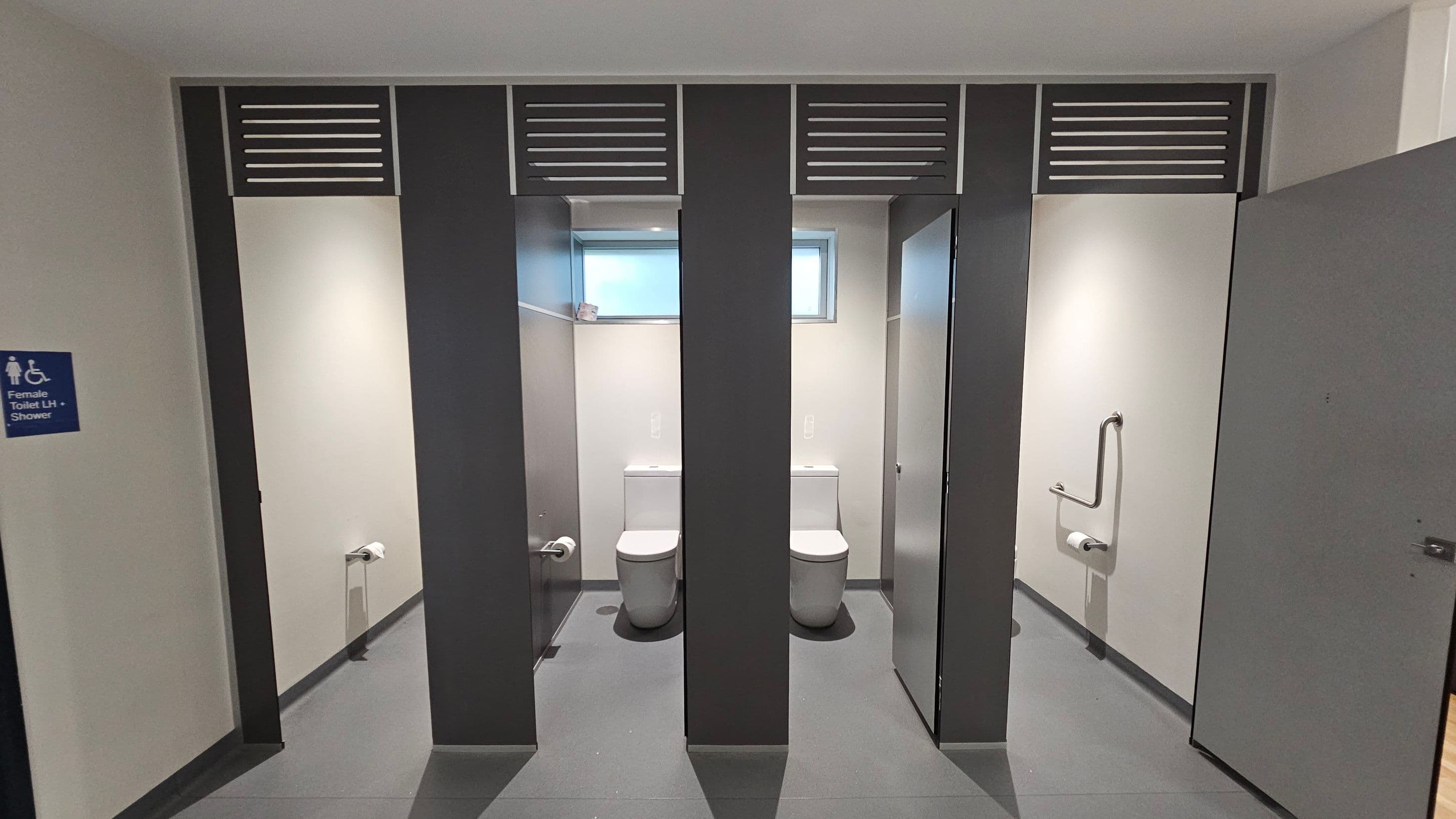
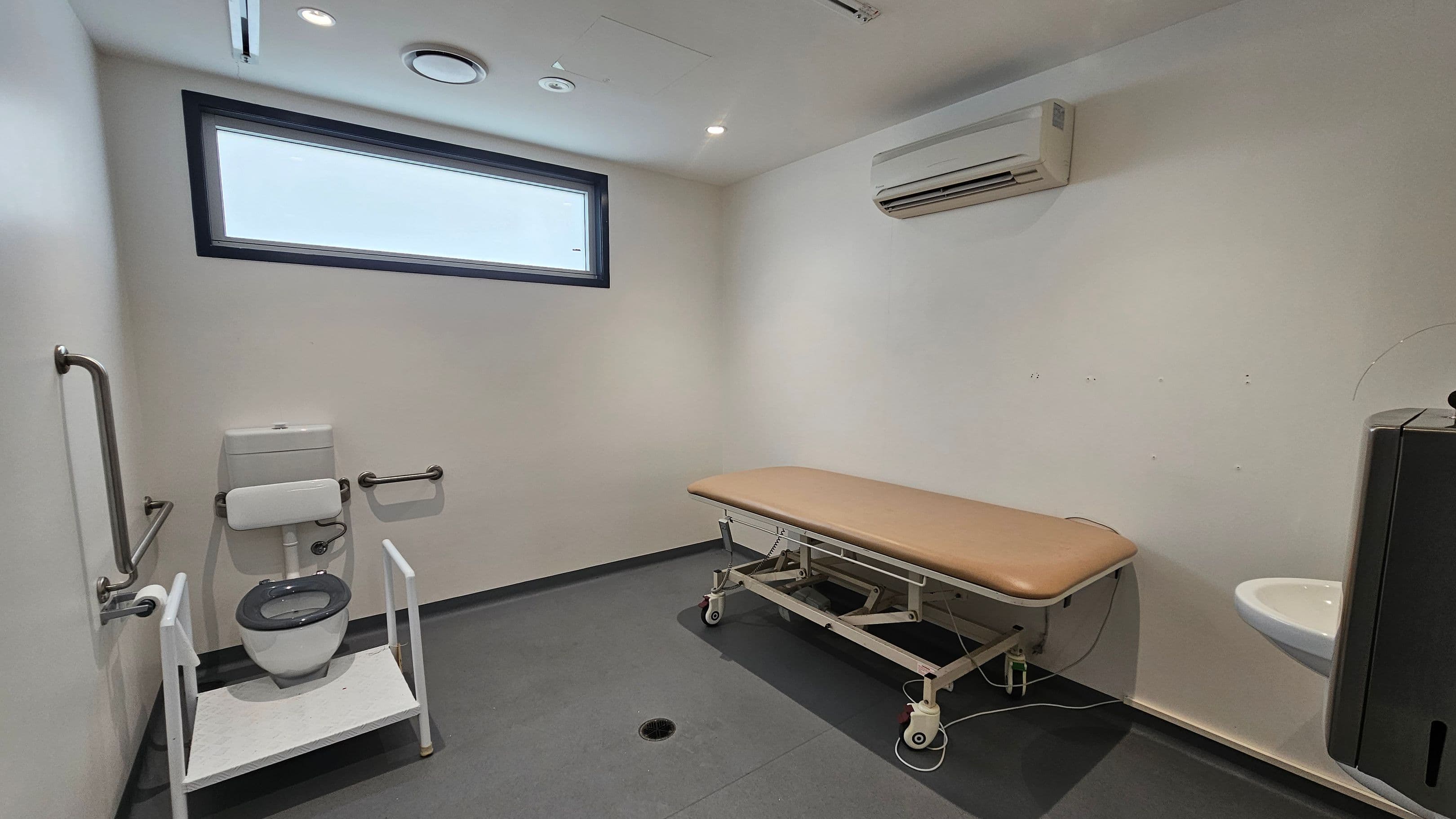
• Have grab rails in the bathroom
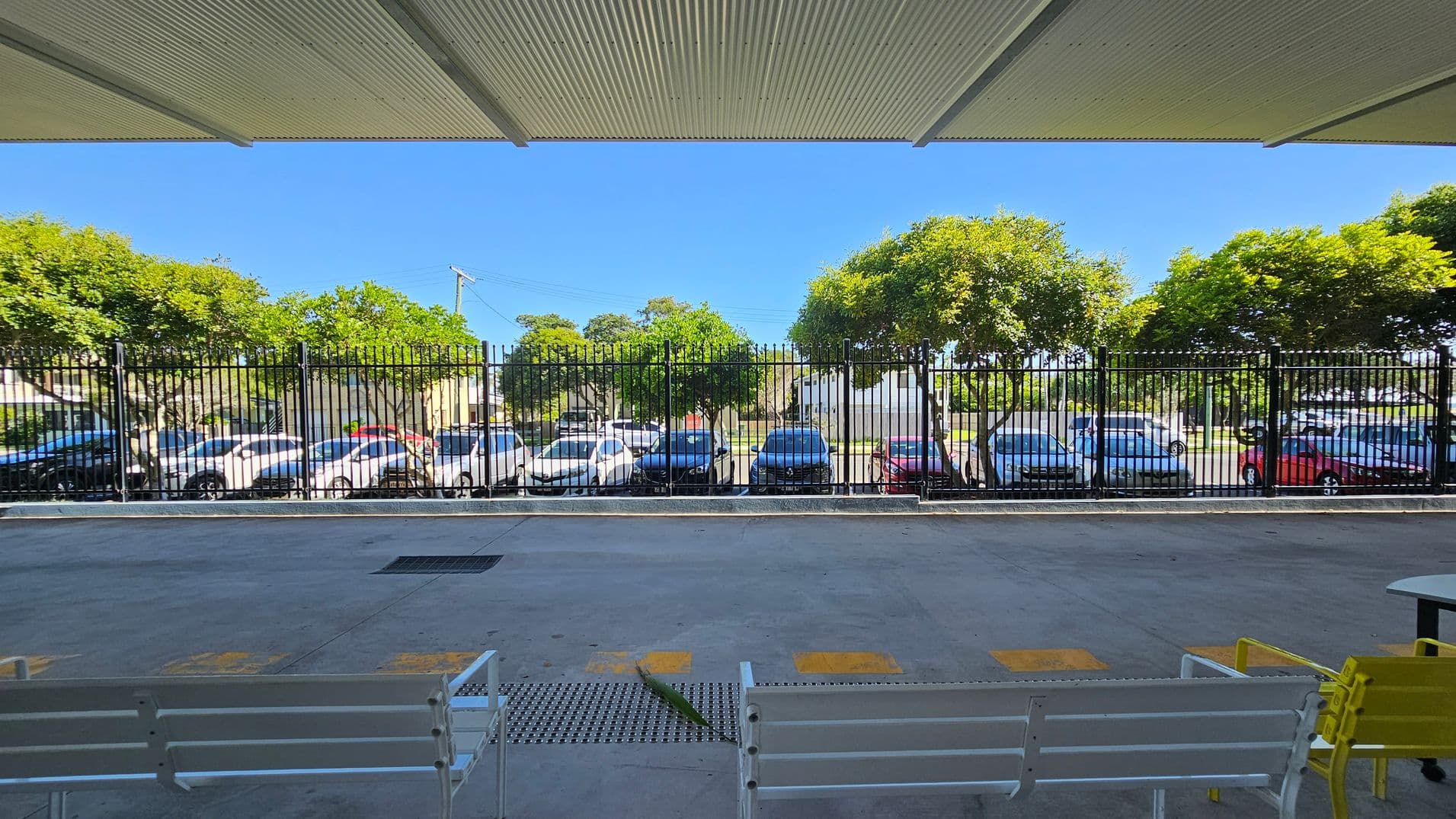
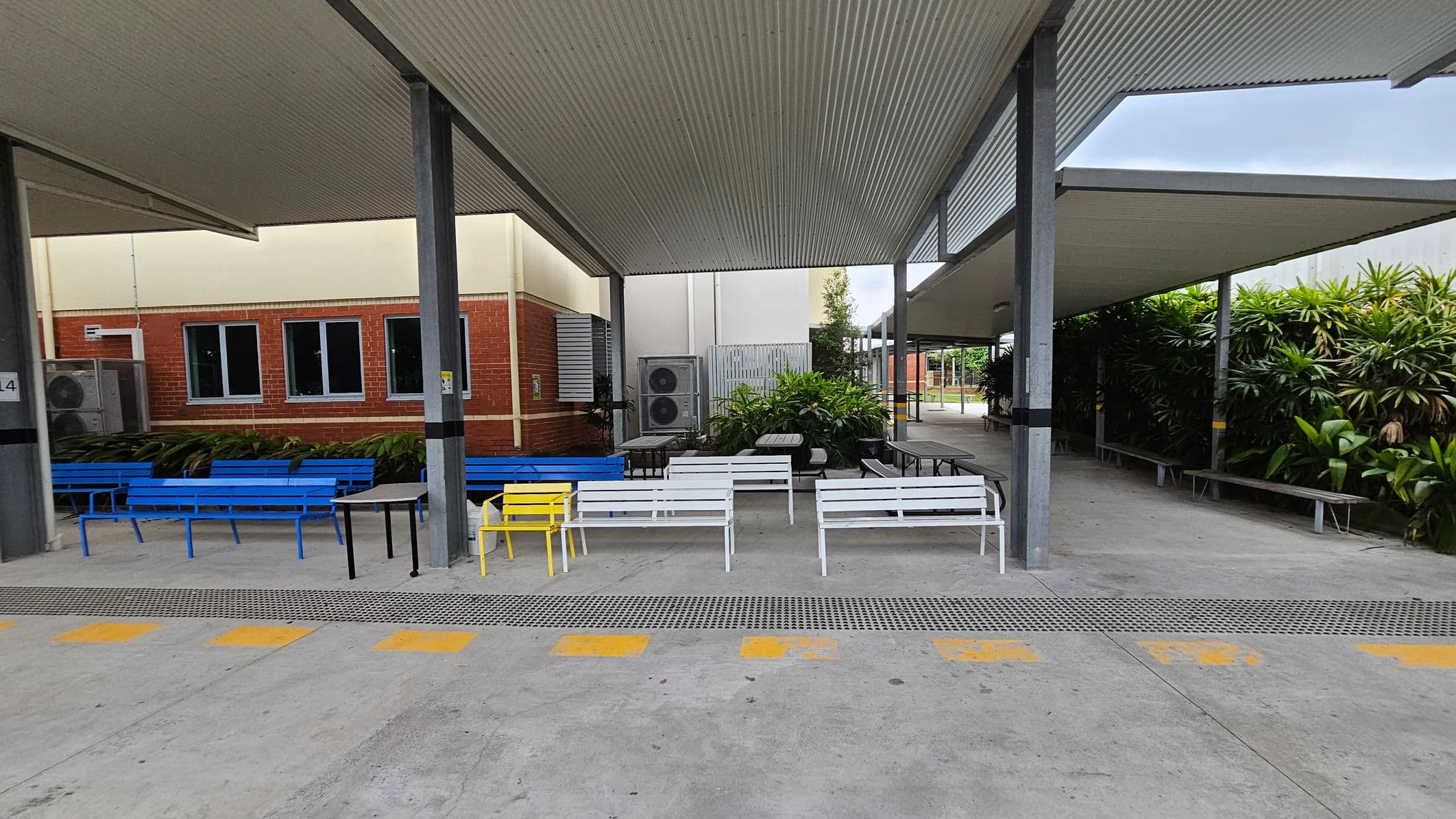
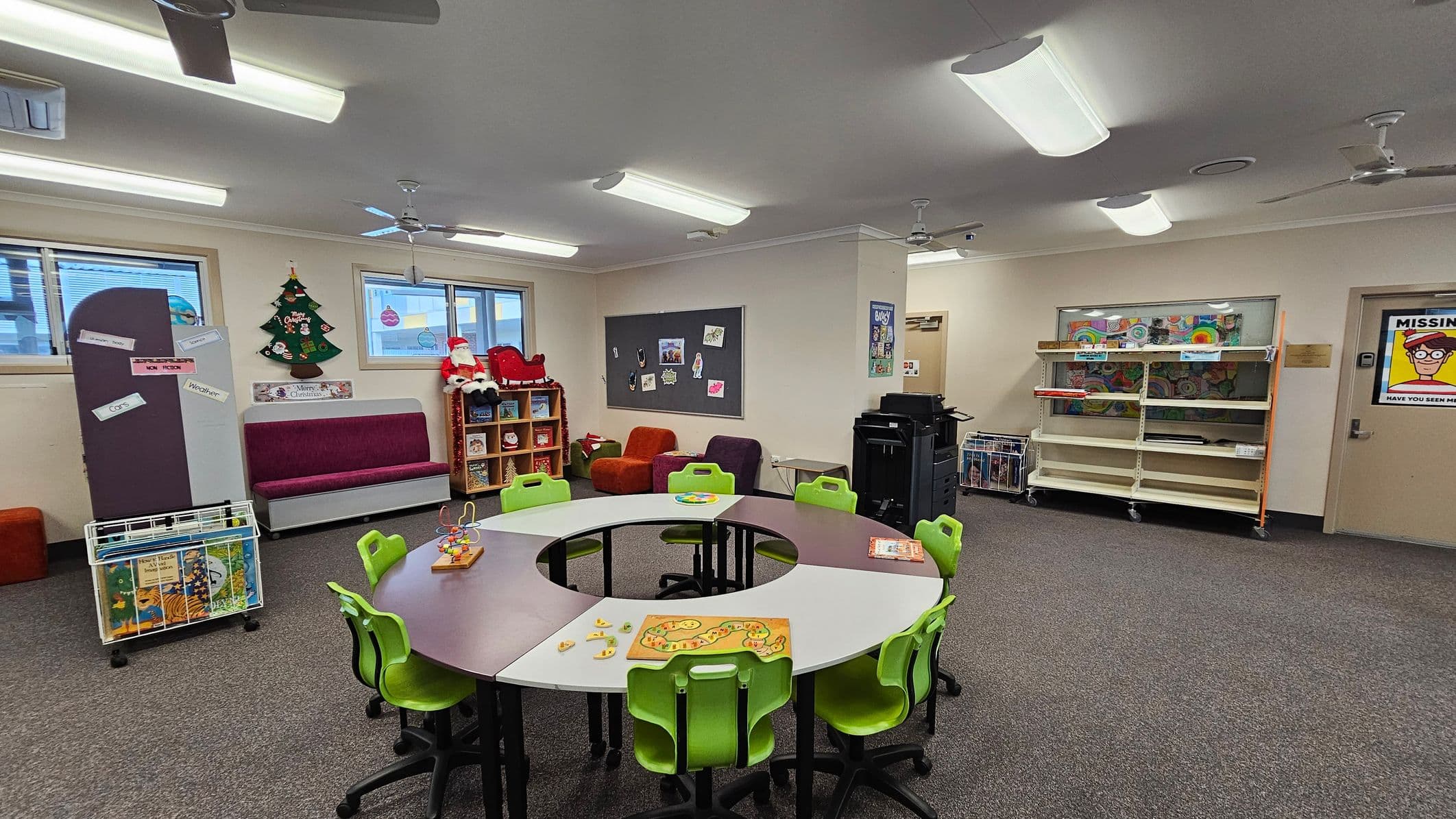
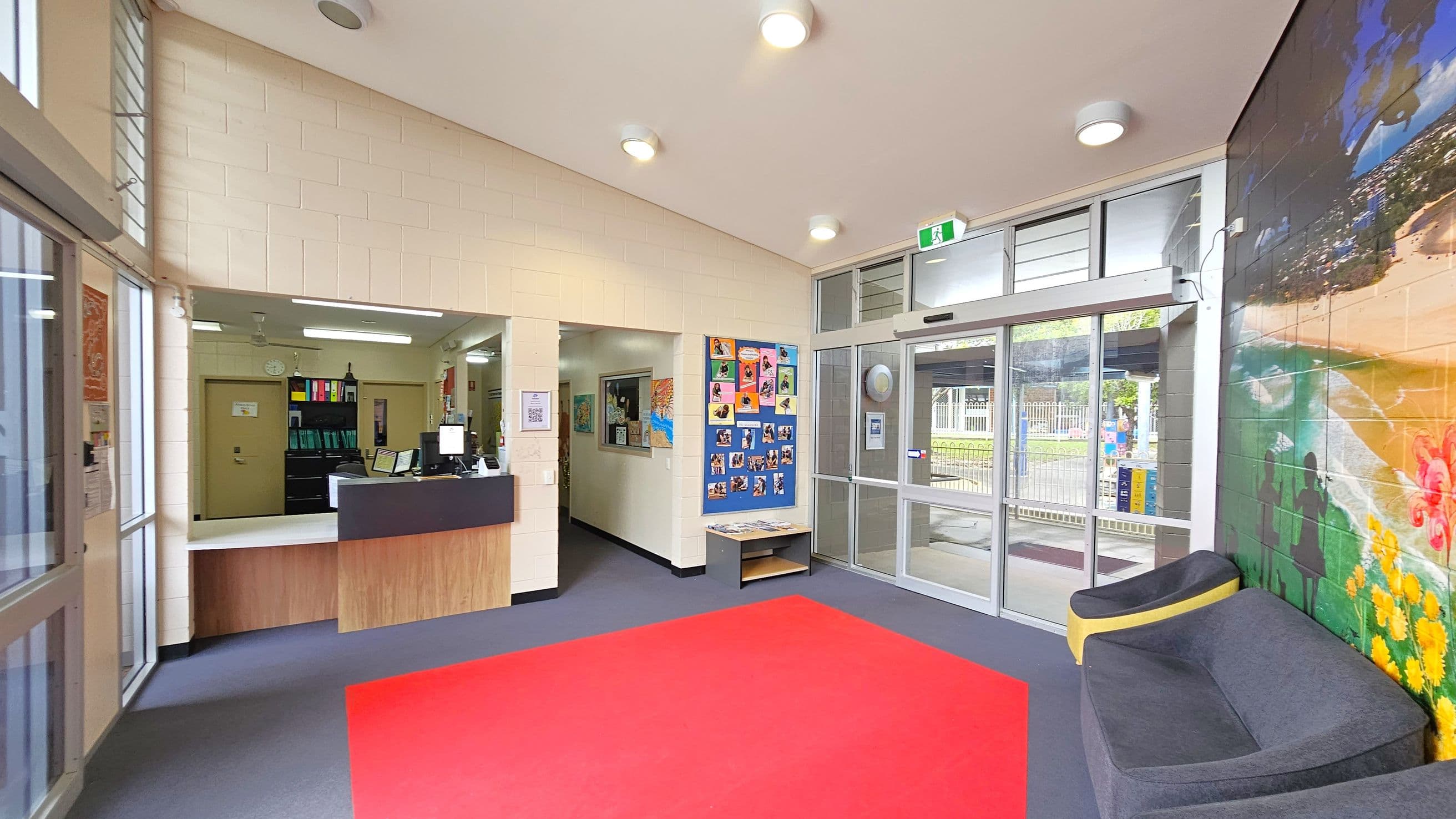
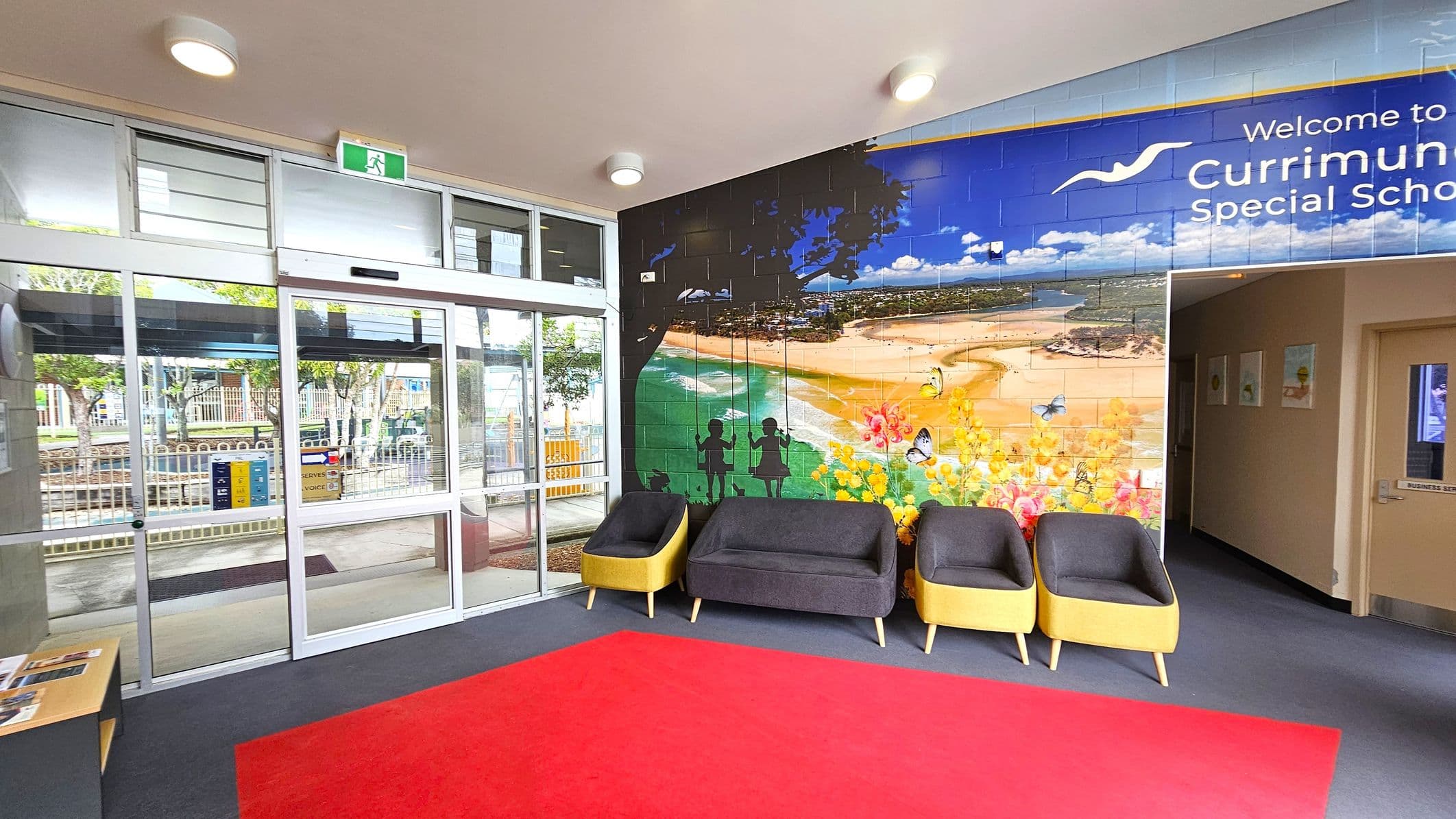
• Provide seating in common areas including reception area. Seating provided is a variety/range and include some with back rests and arm rests.
PHYSICAL - WHEELCHAIR
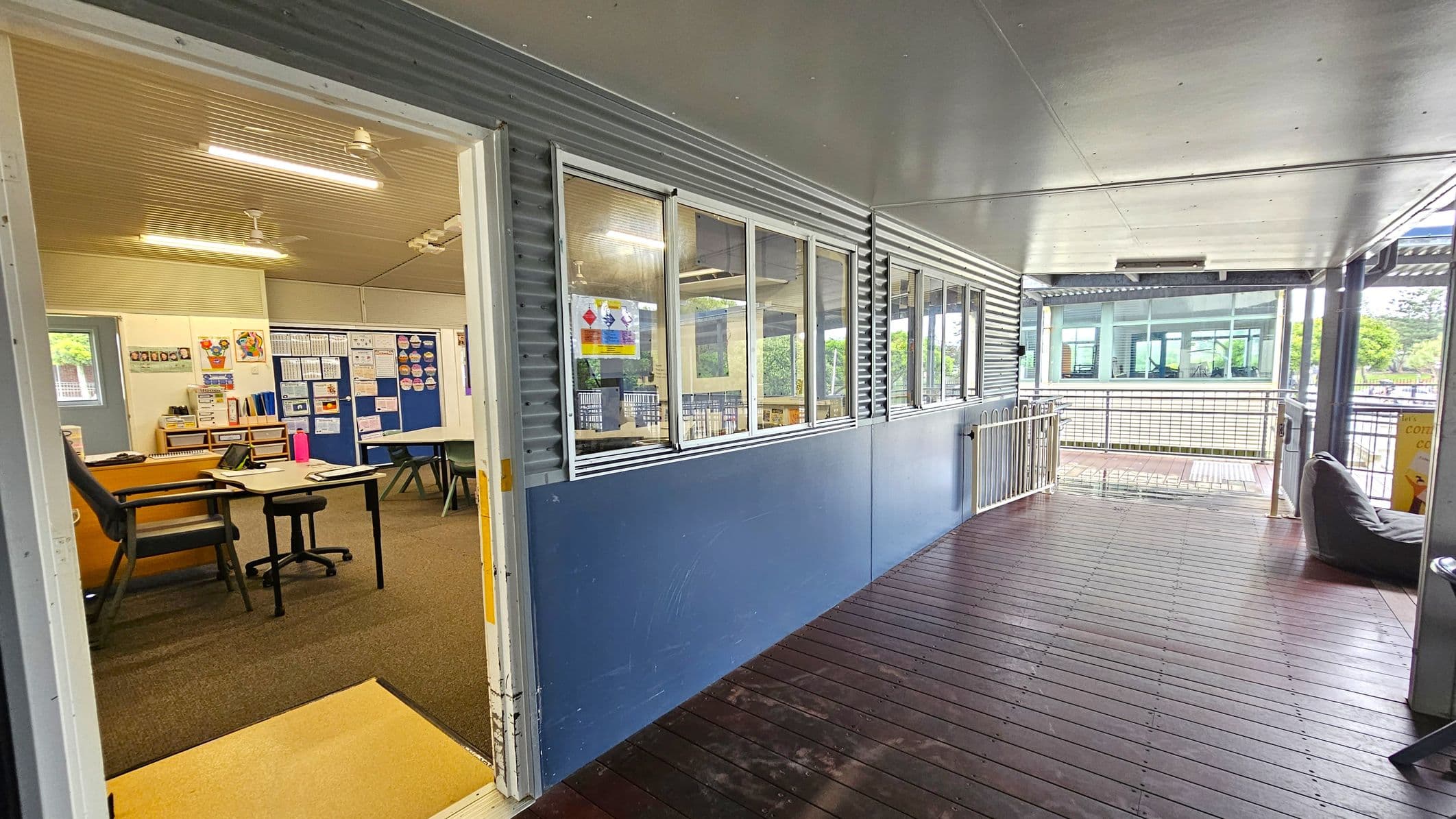
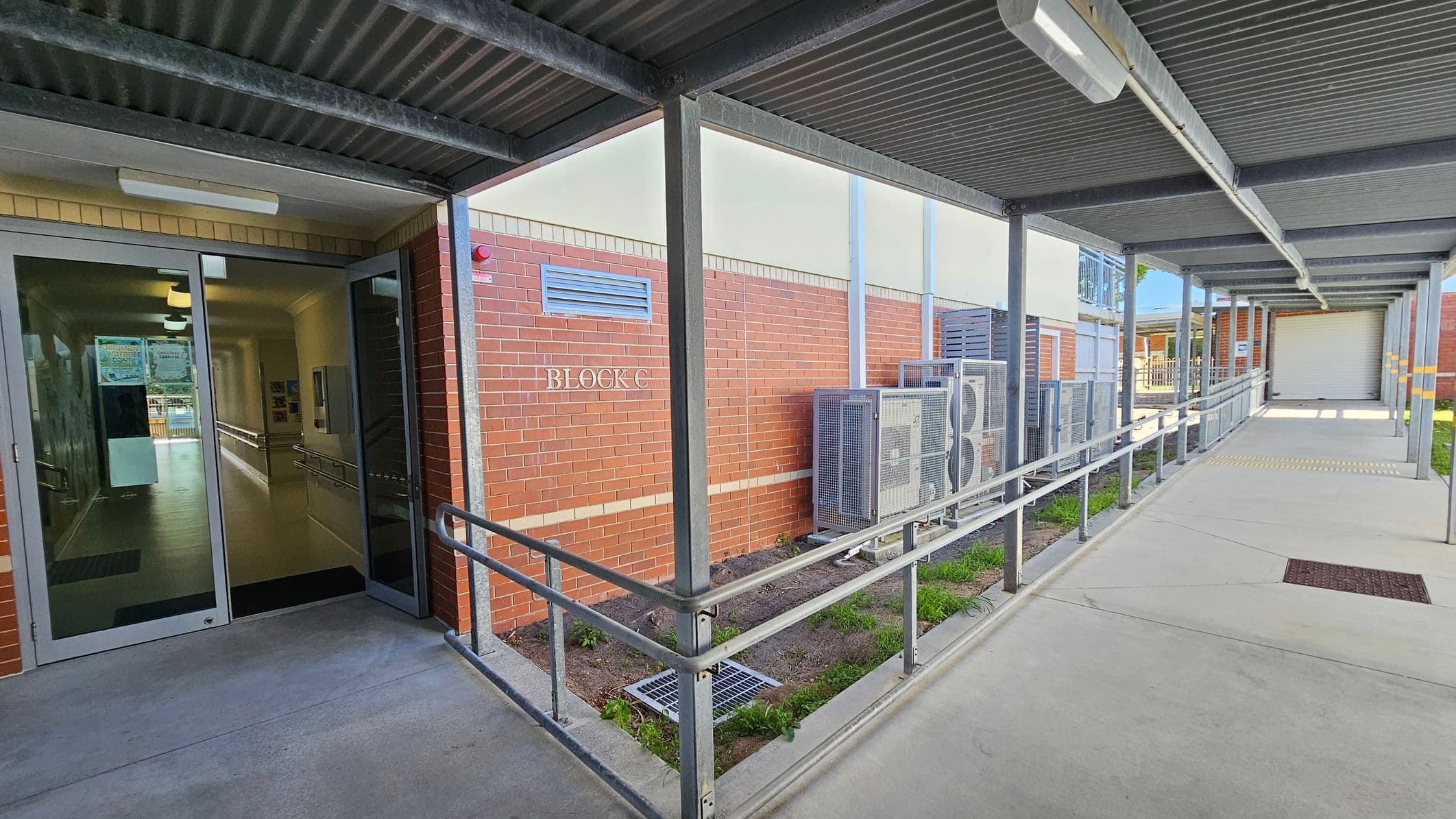
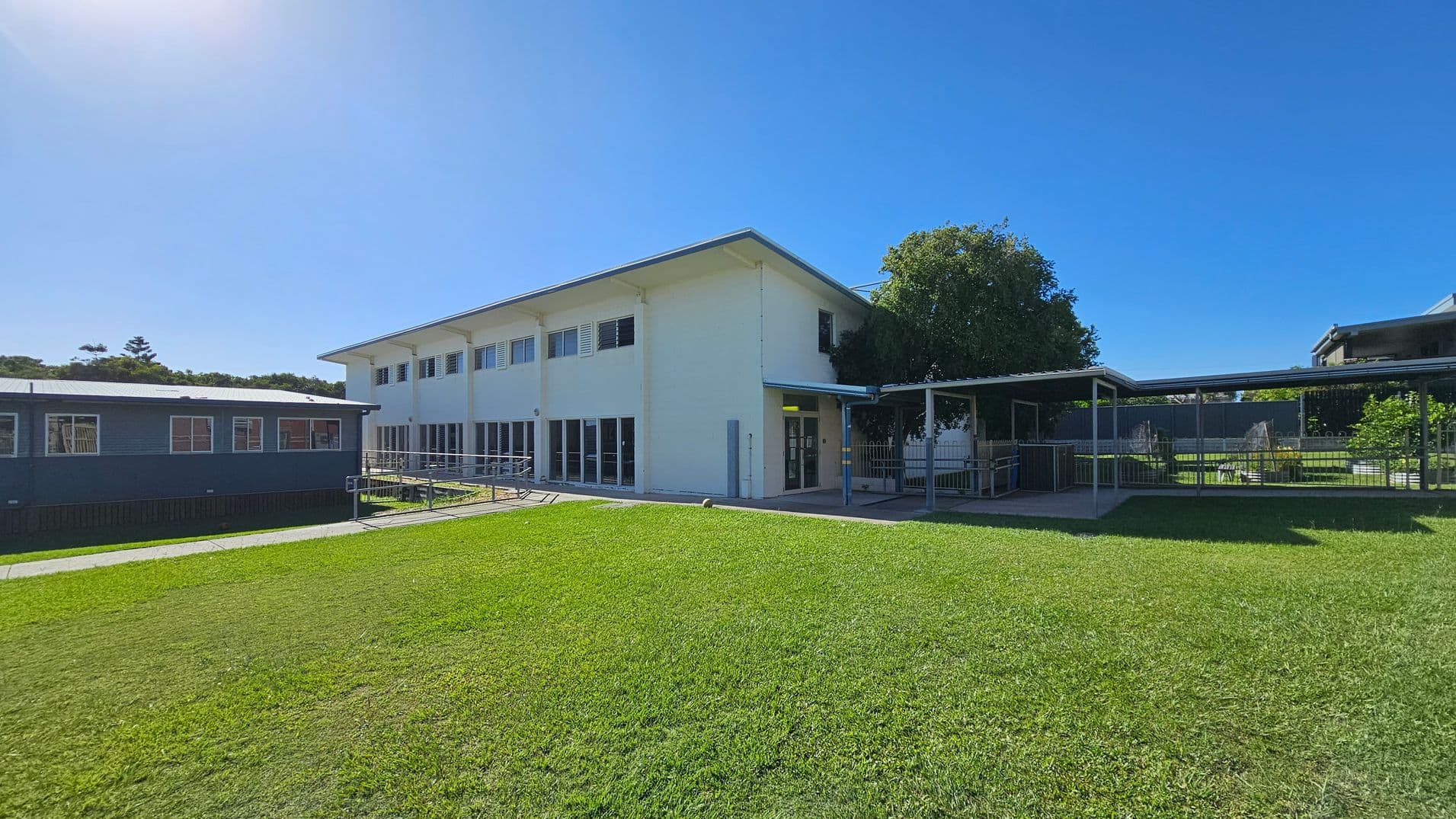
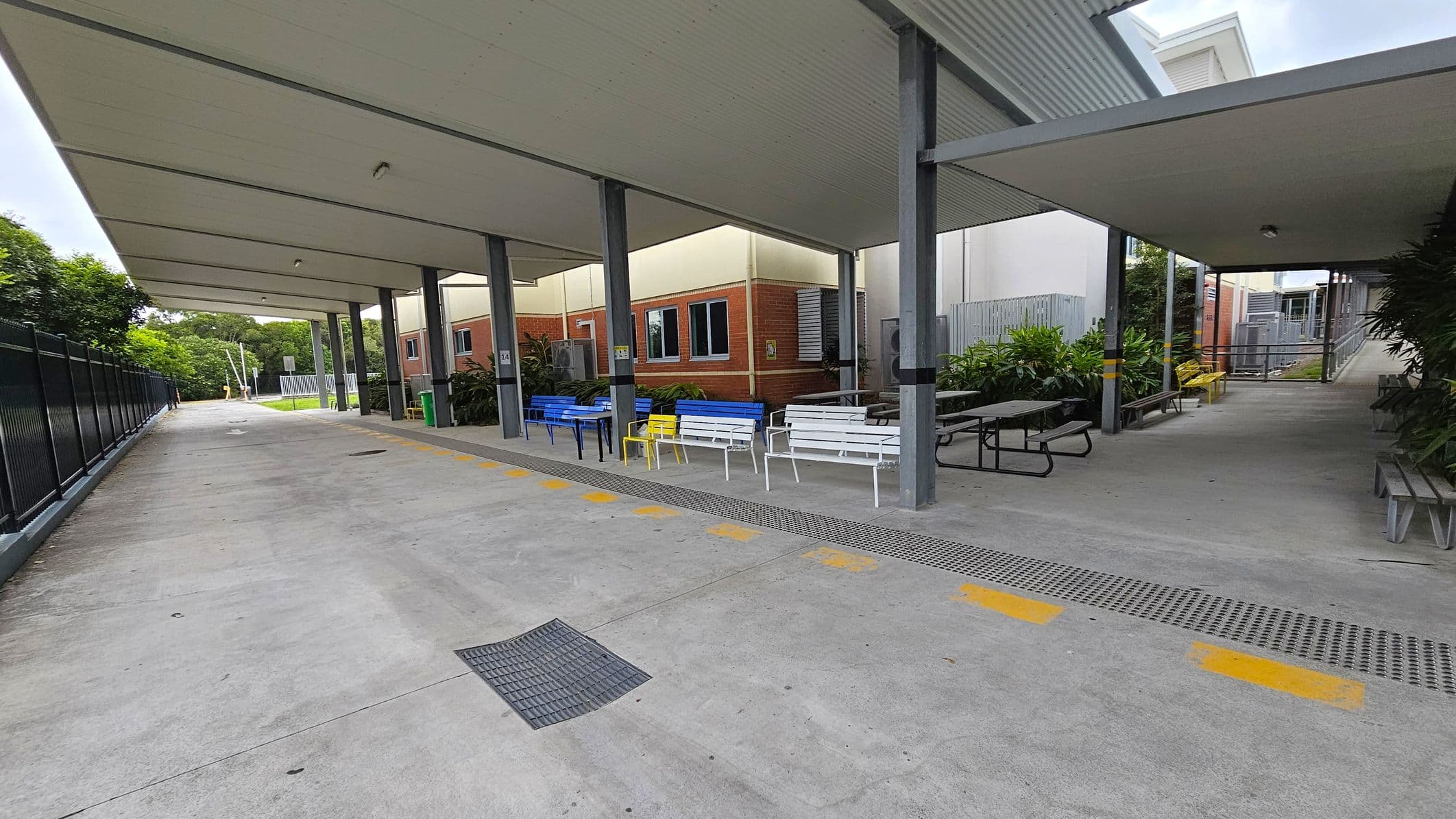
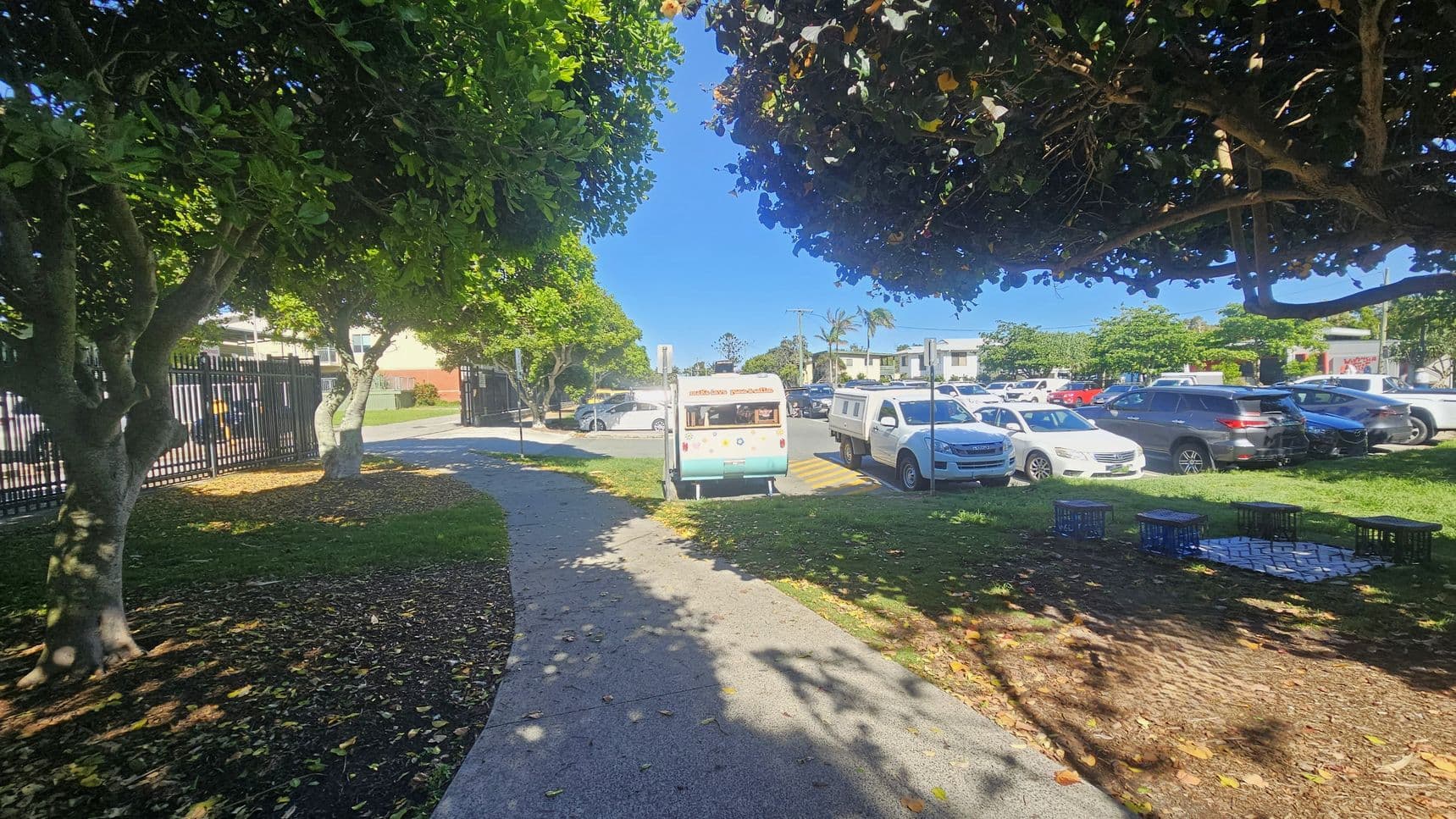
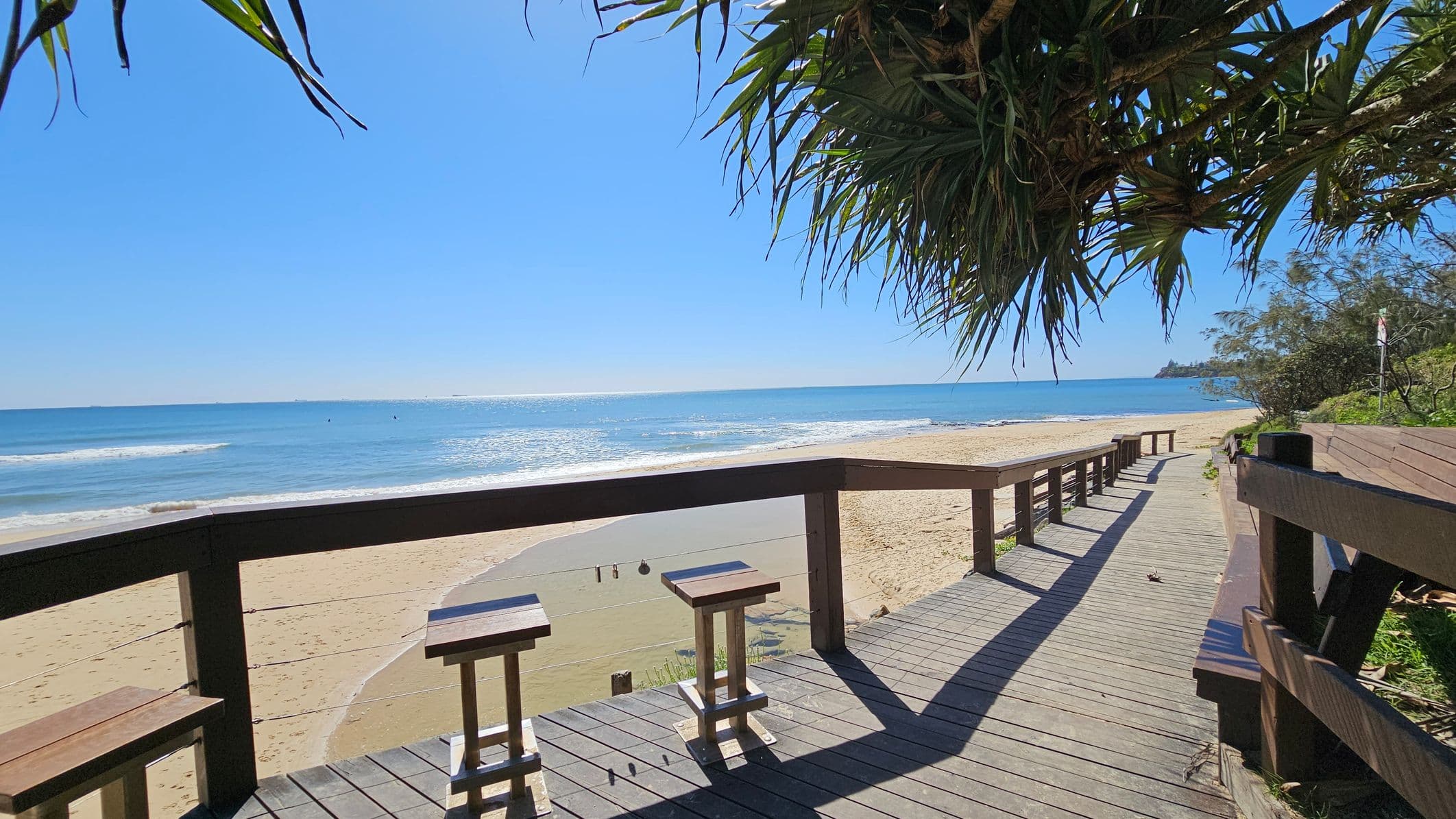
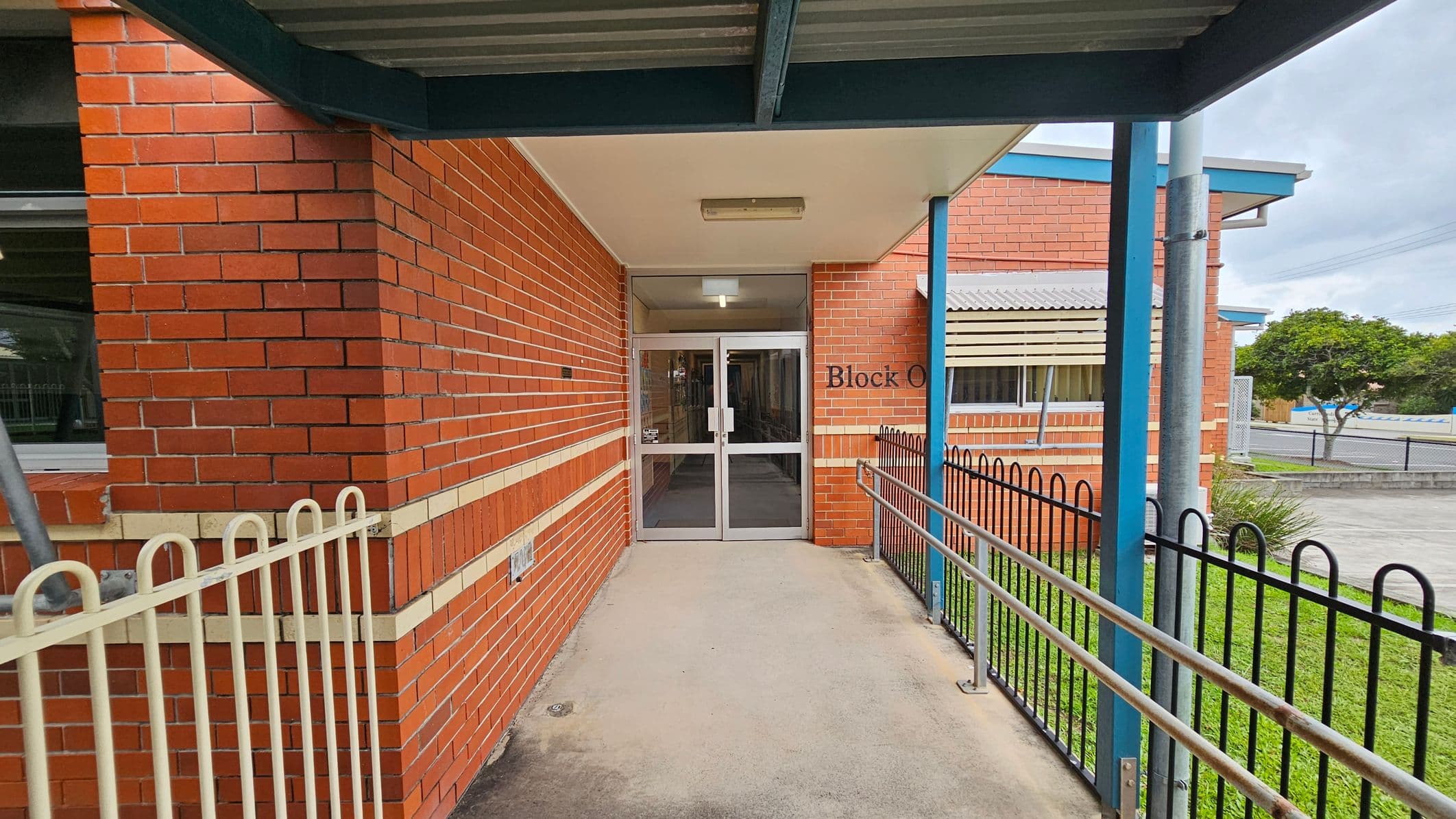
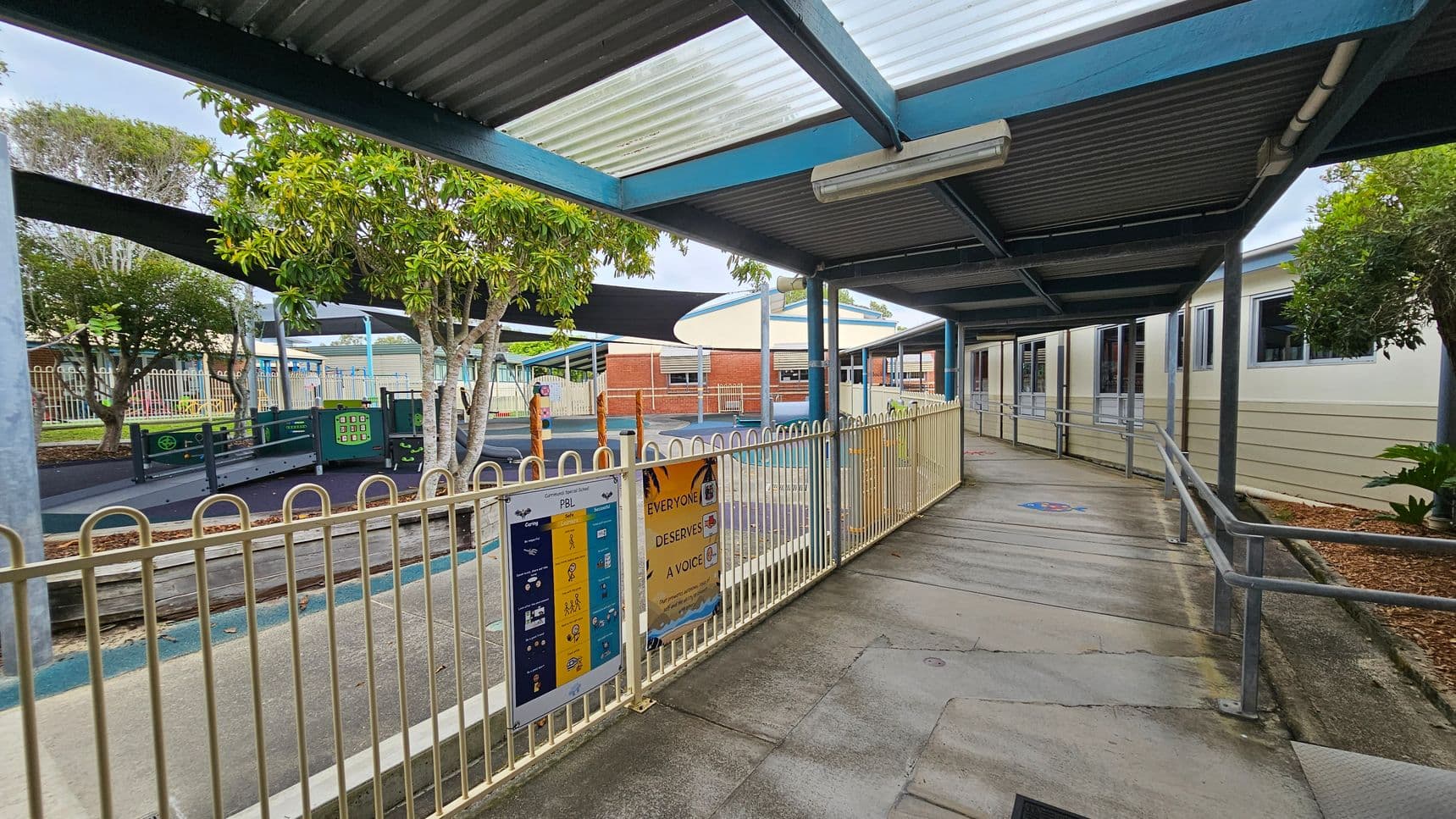
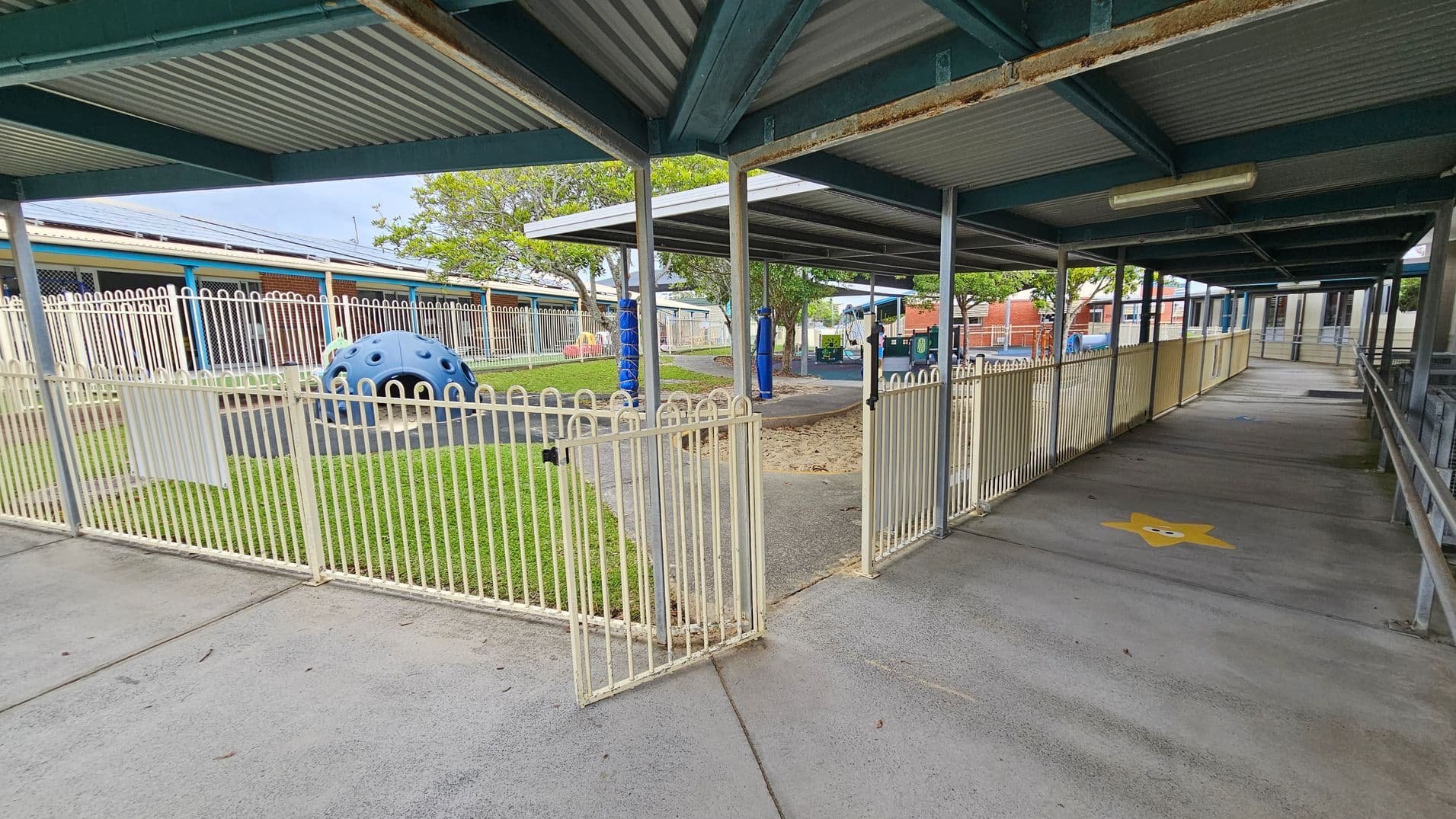
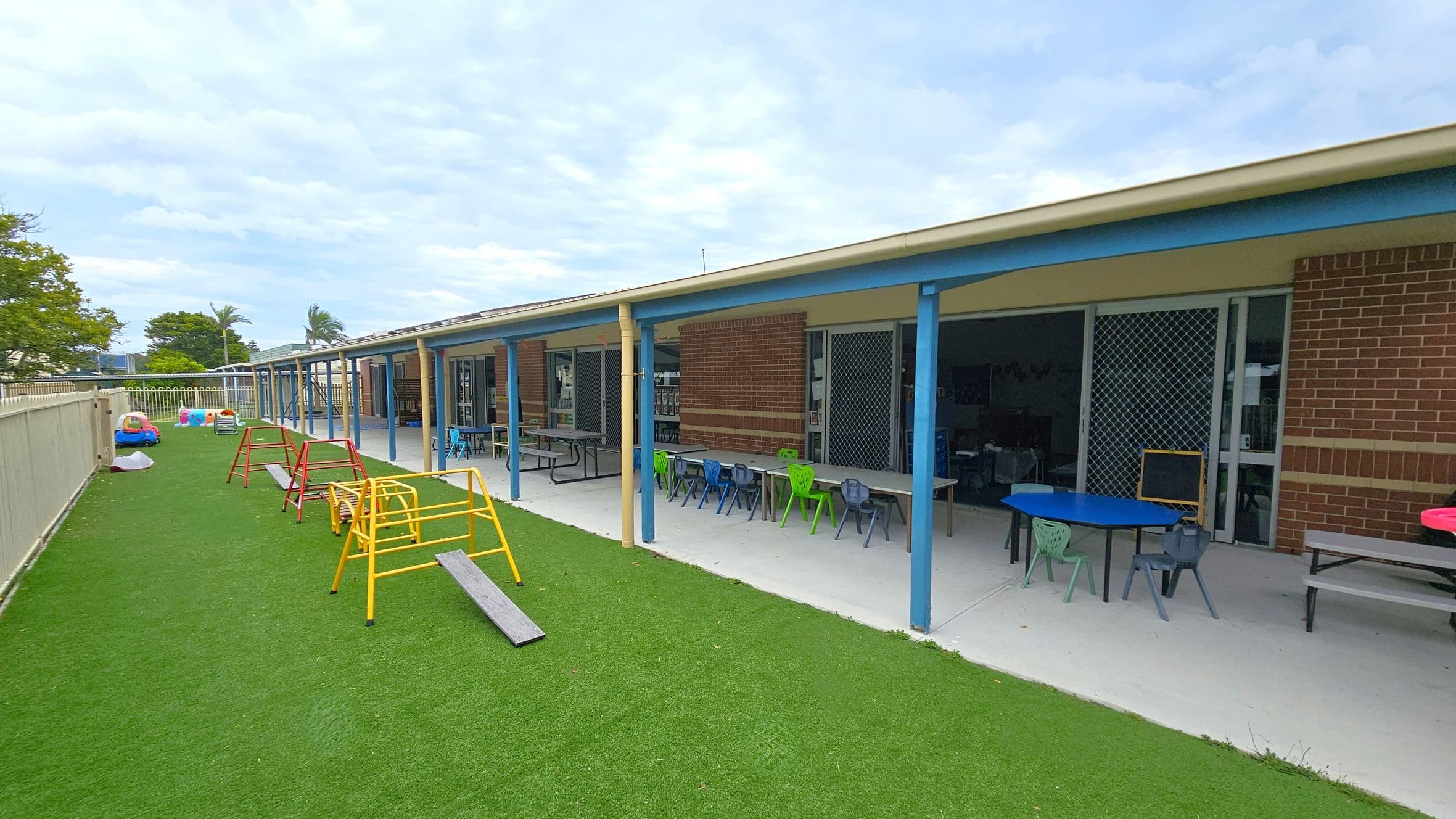
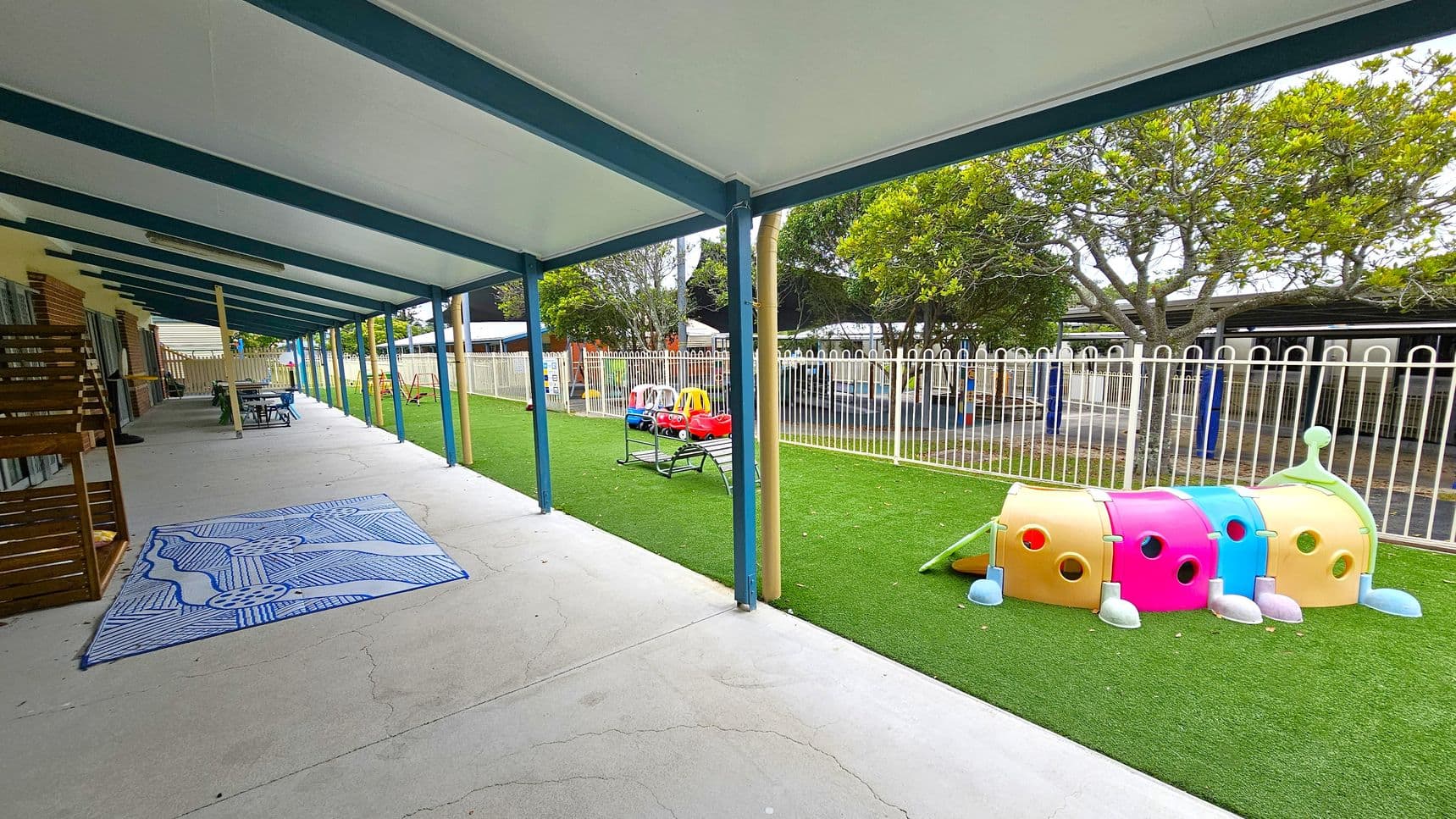
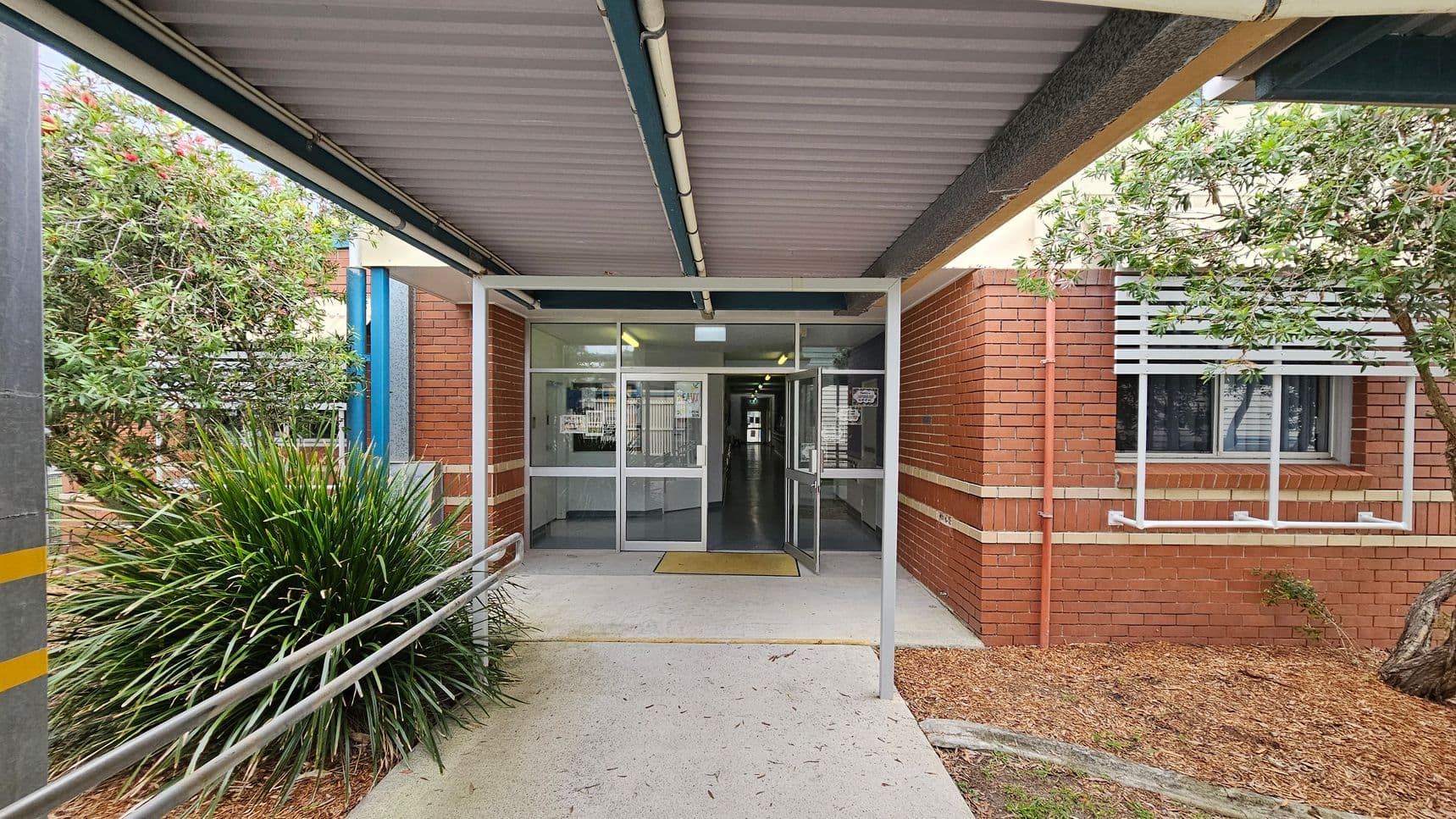
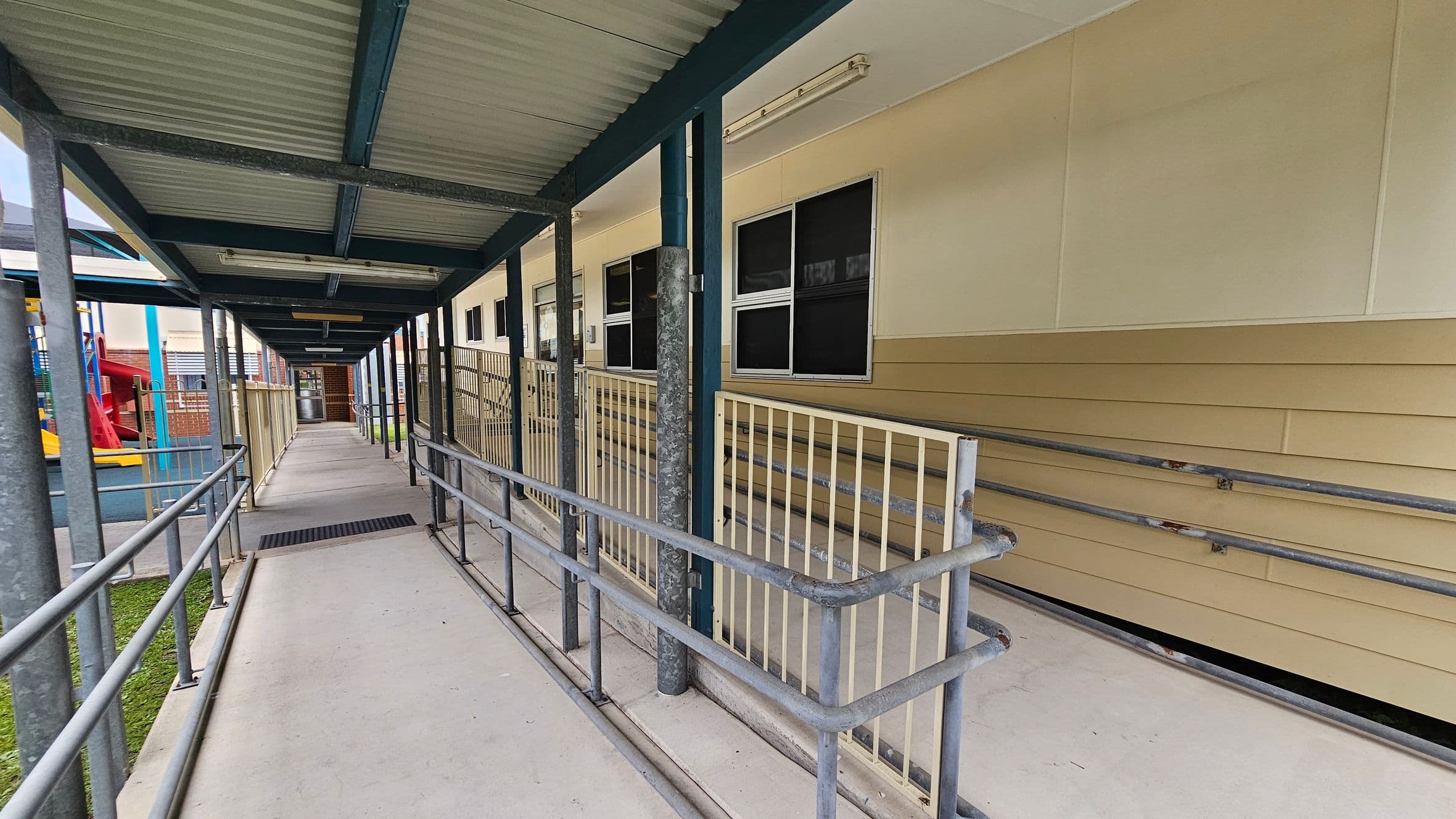
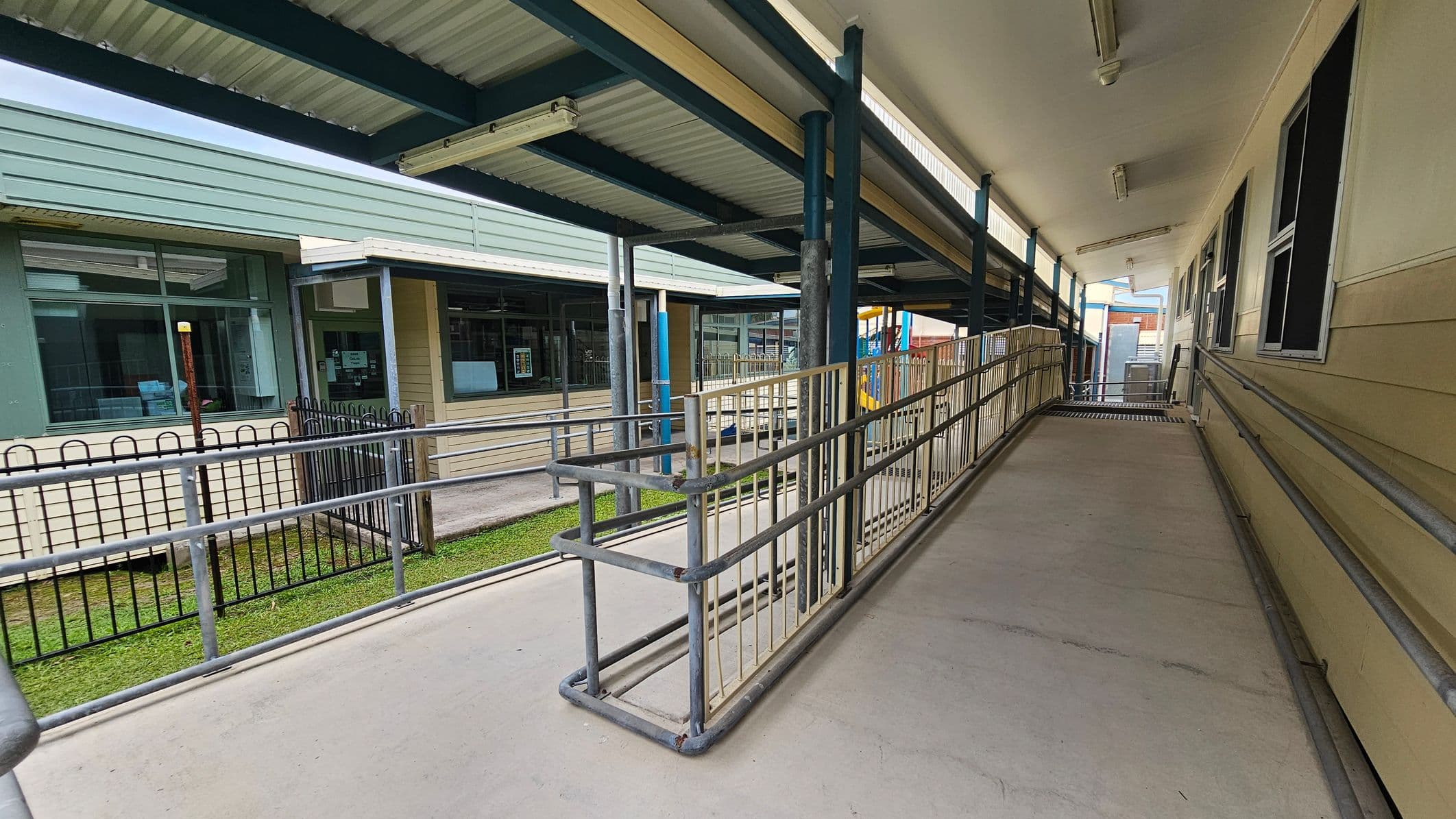
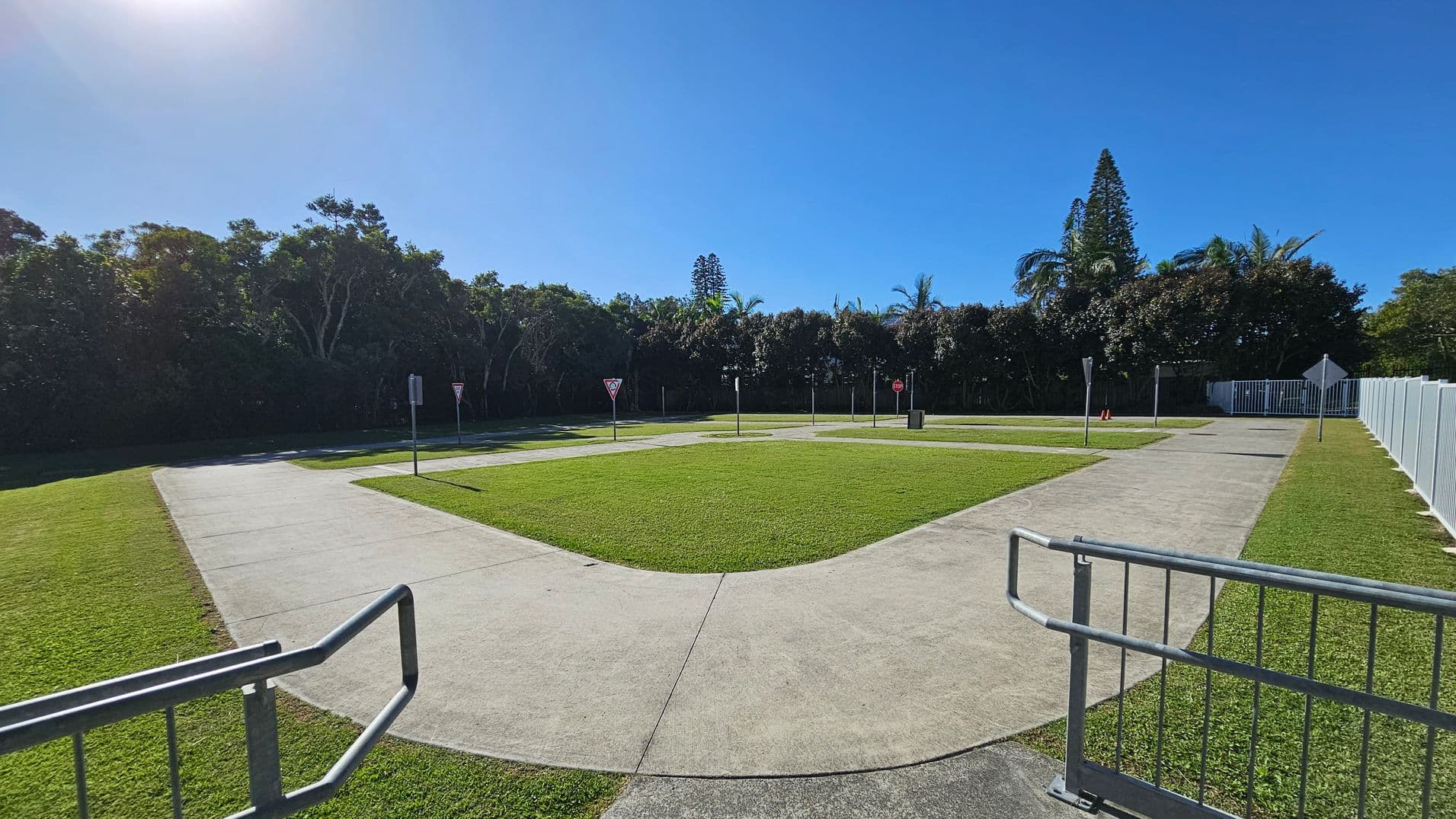
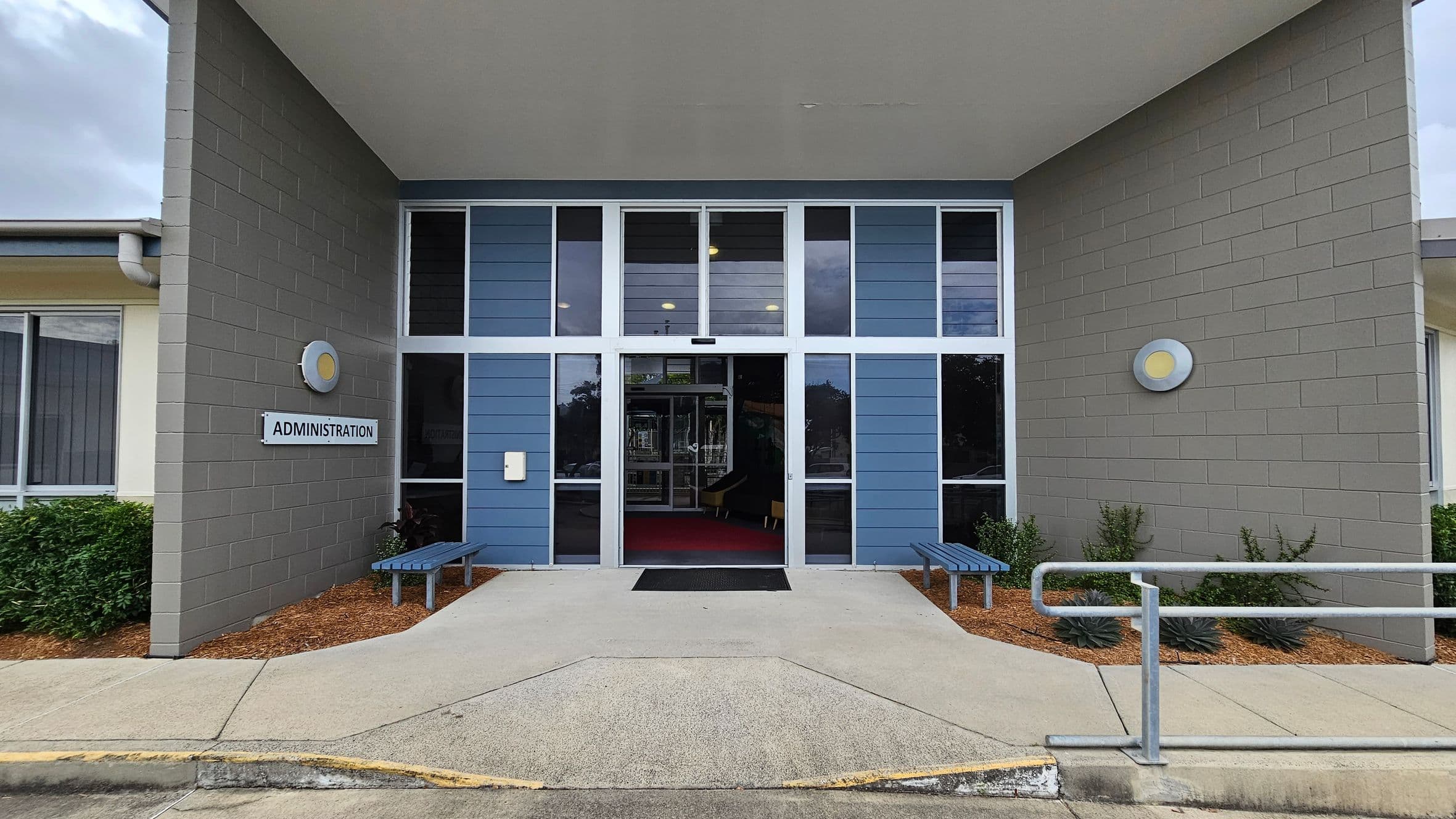
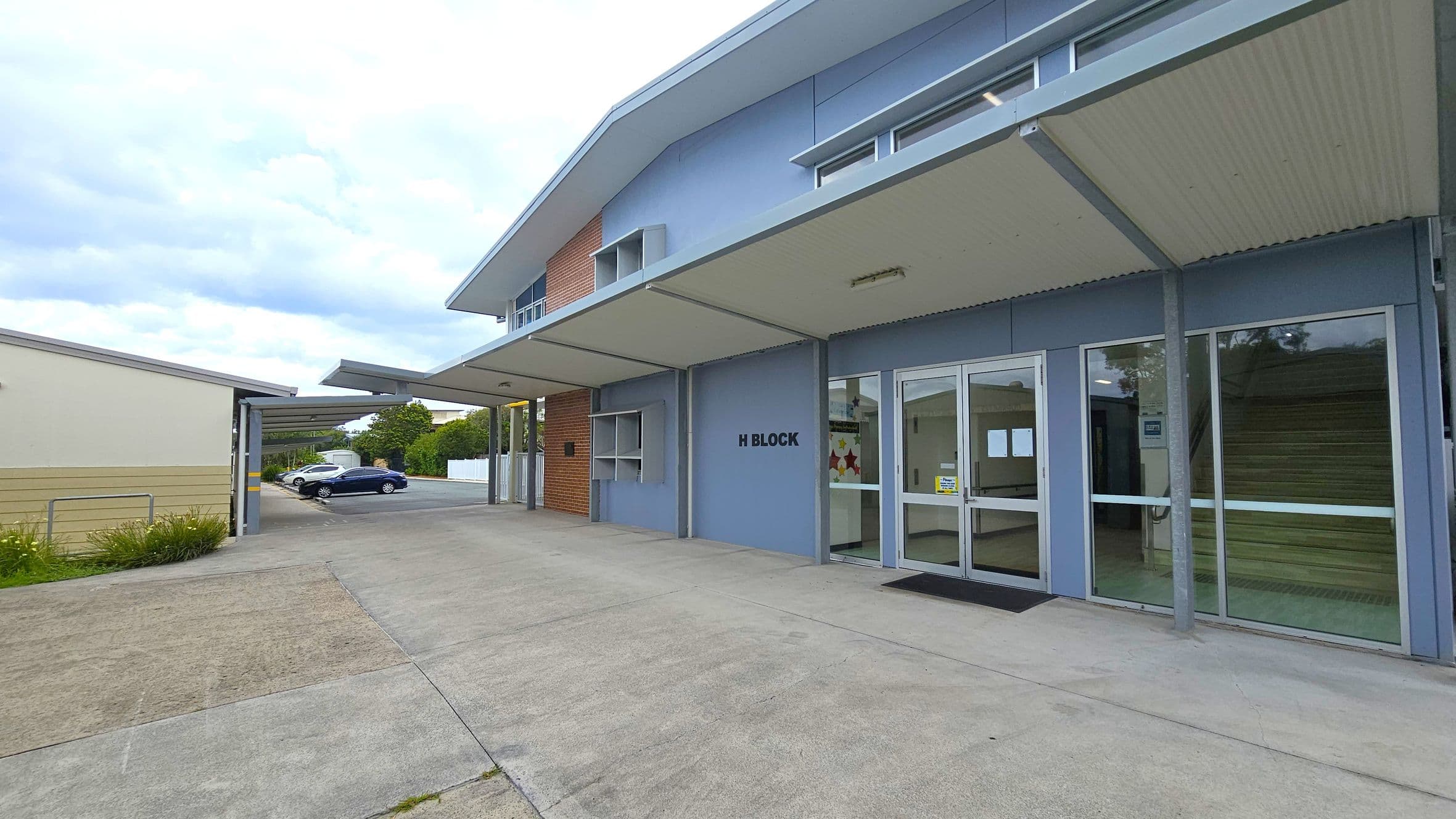
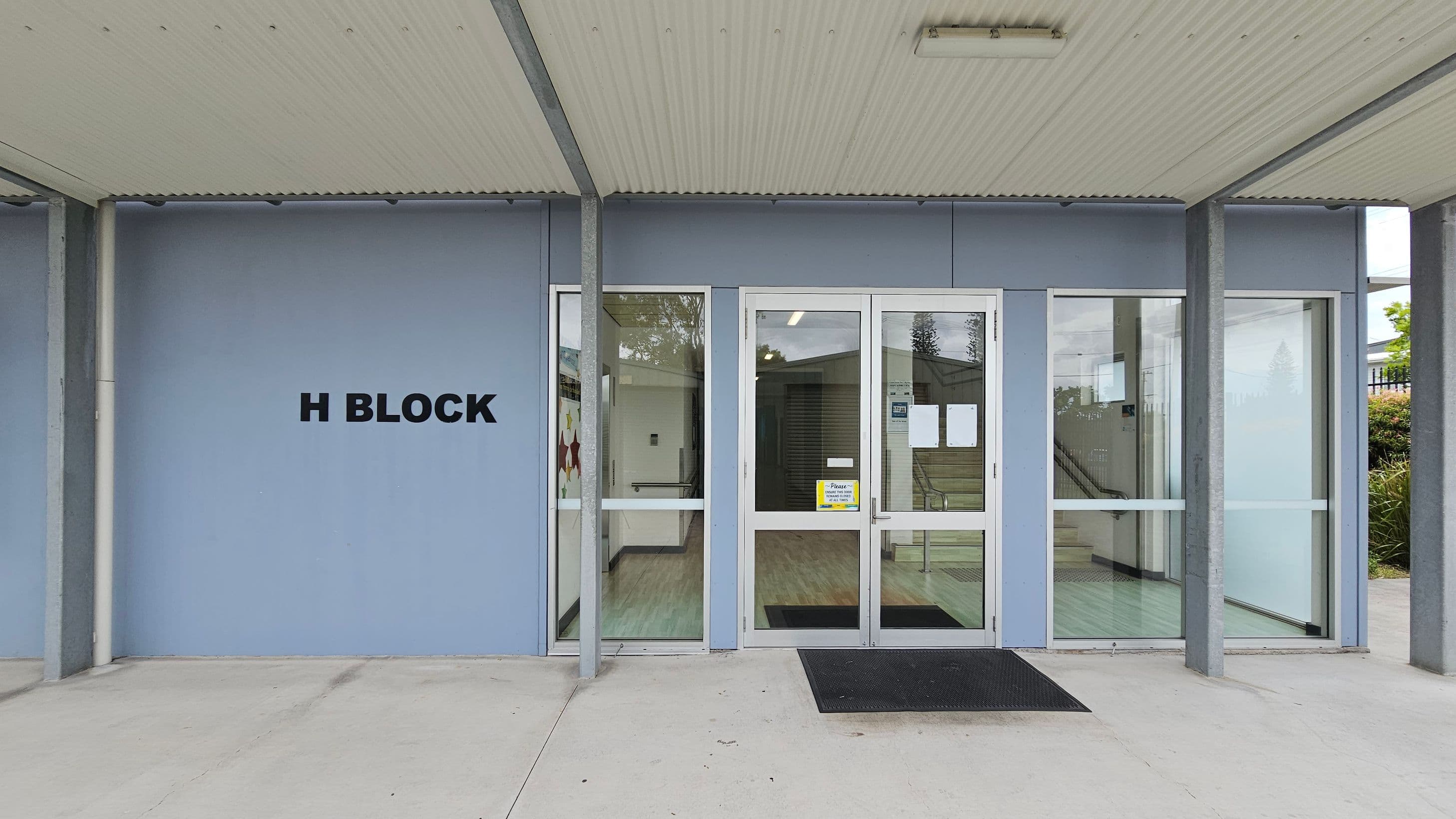
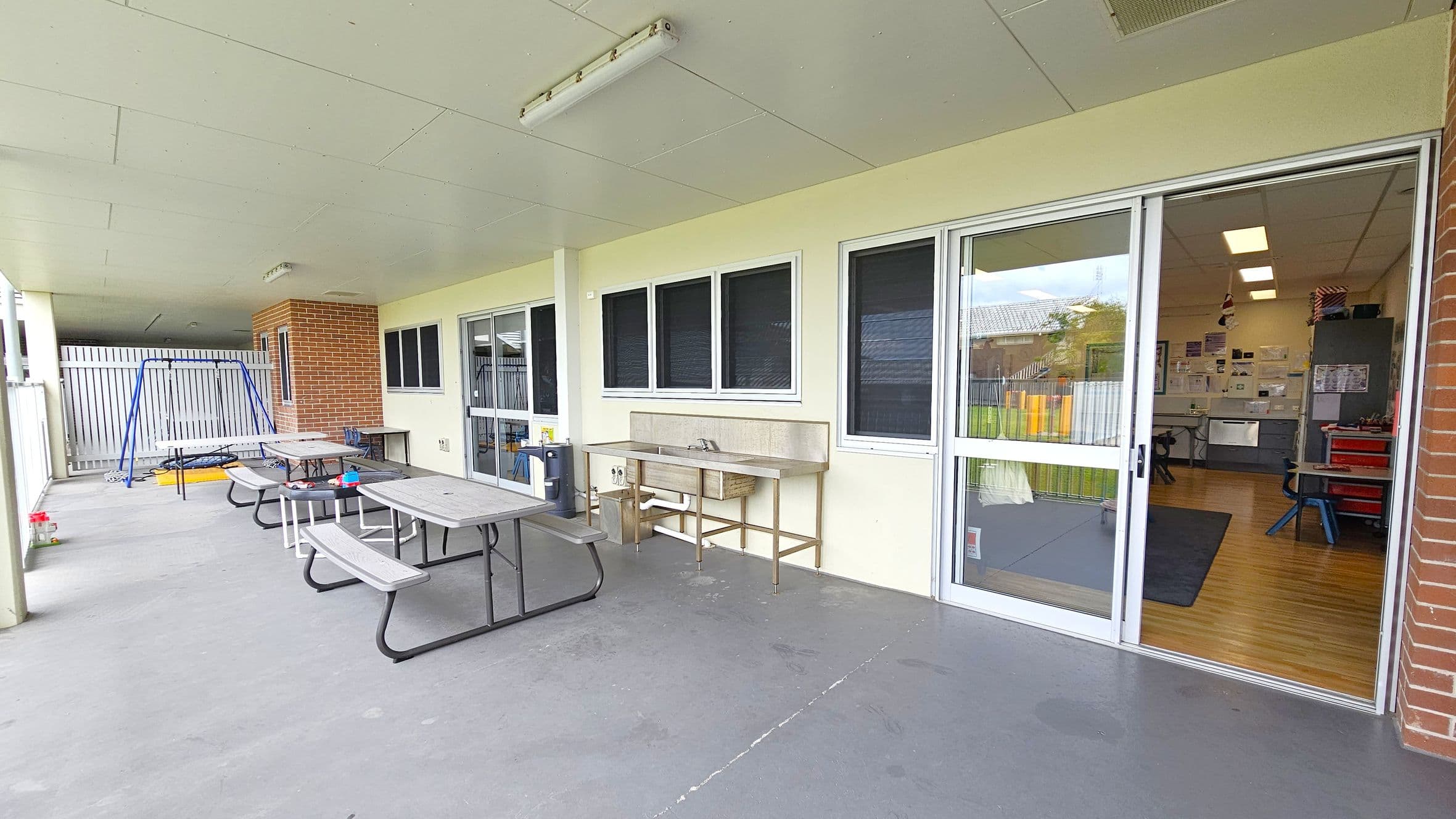
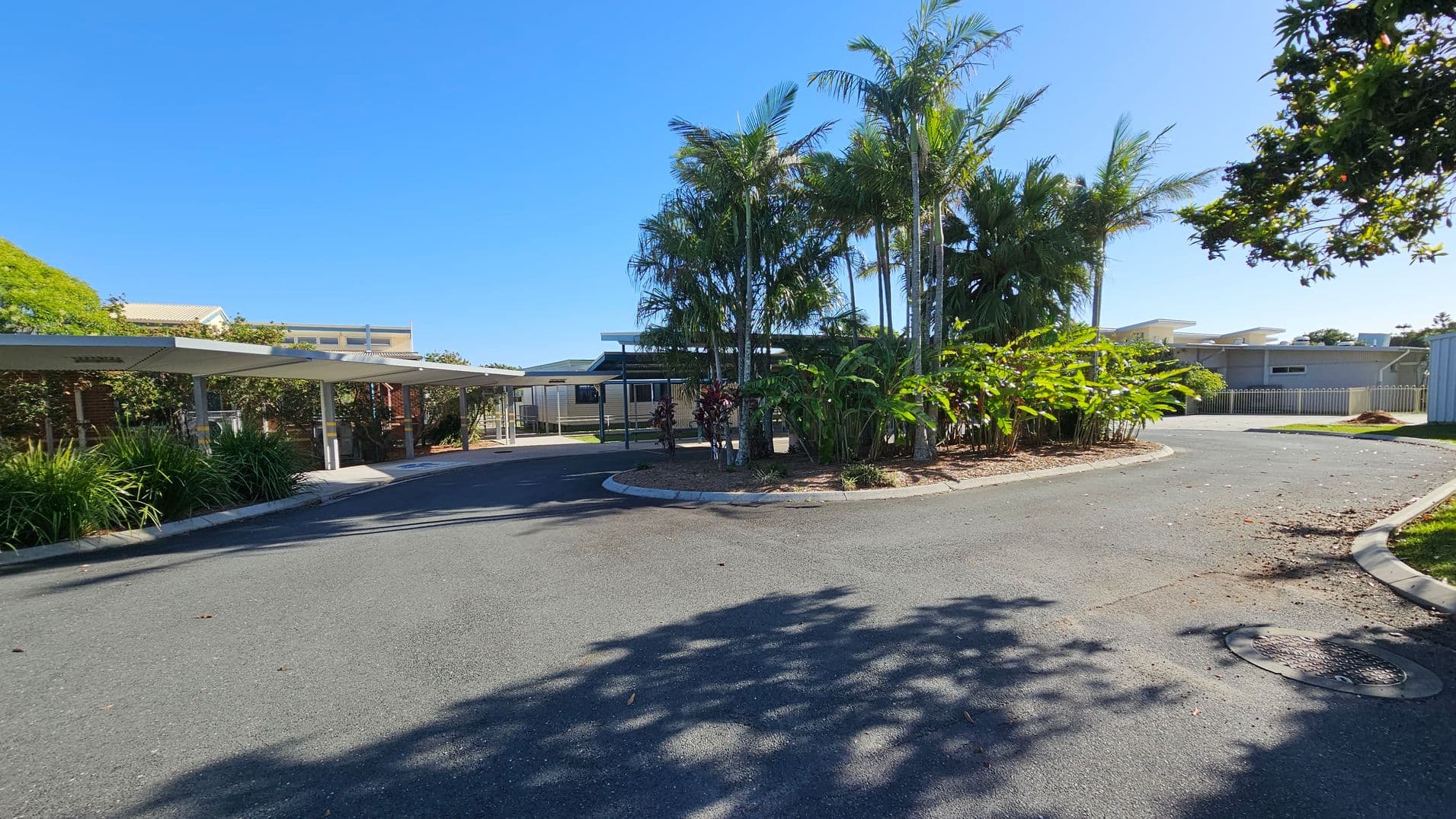
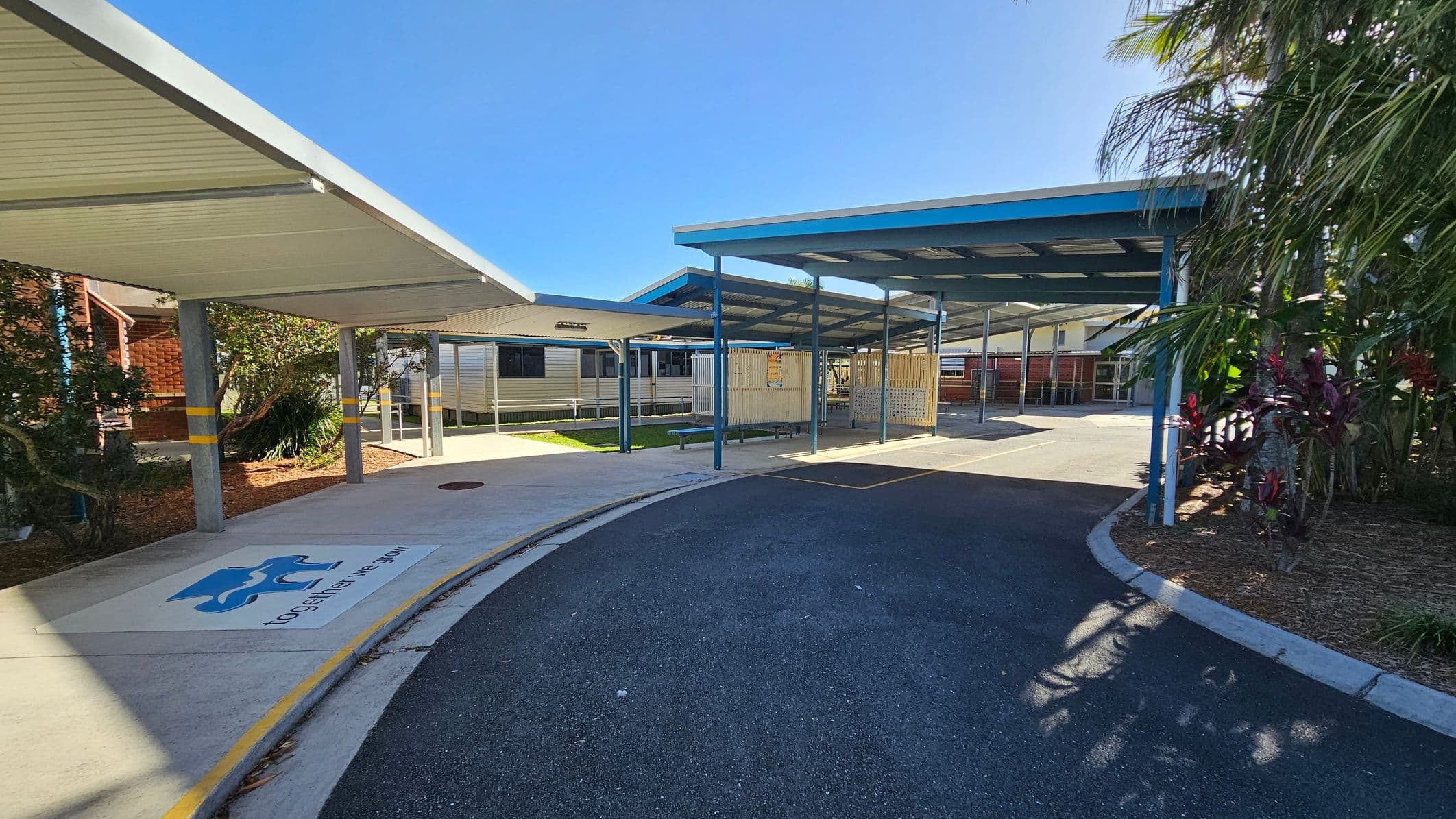
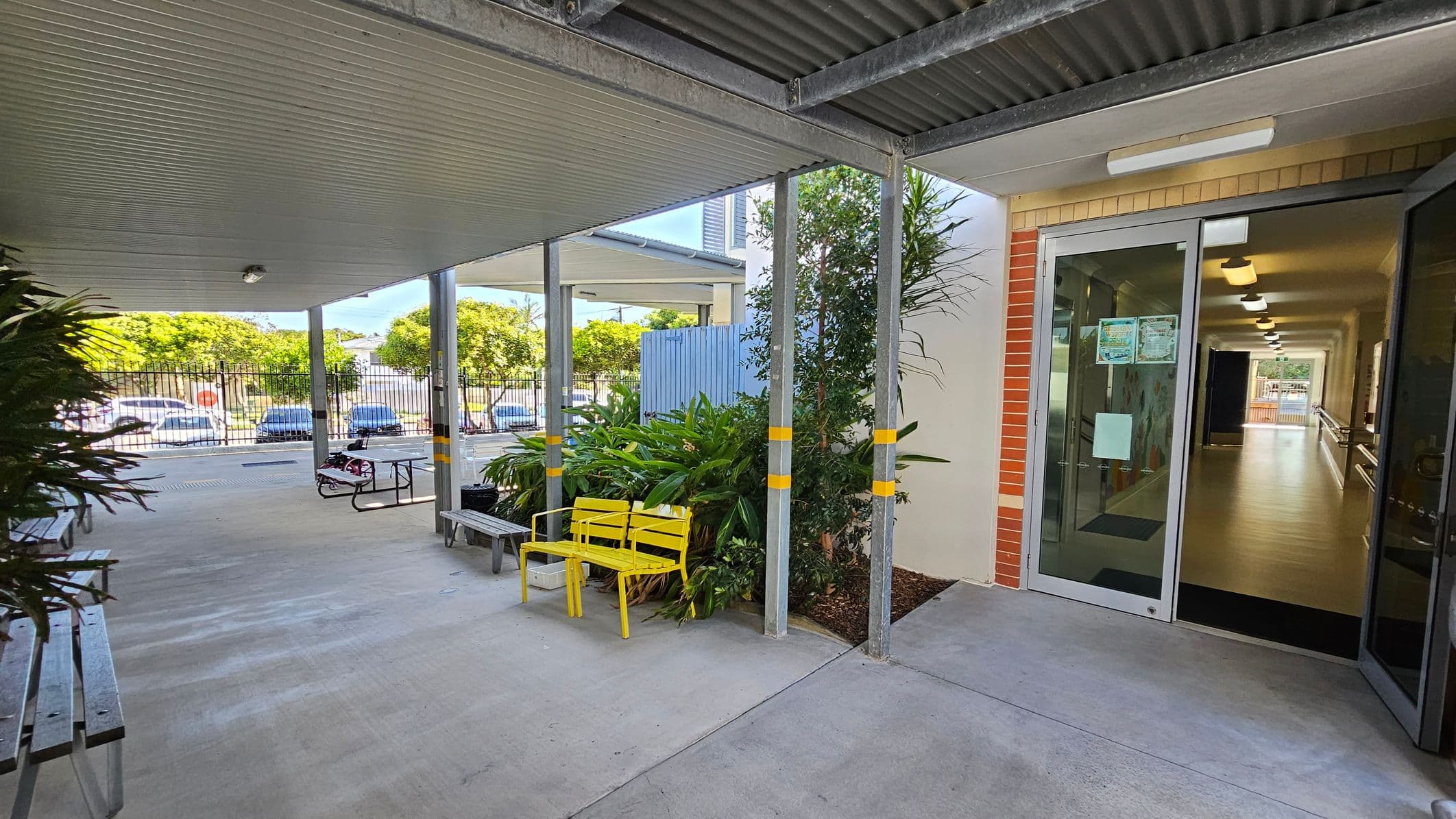
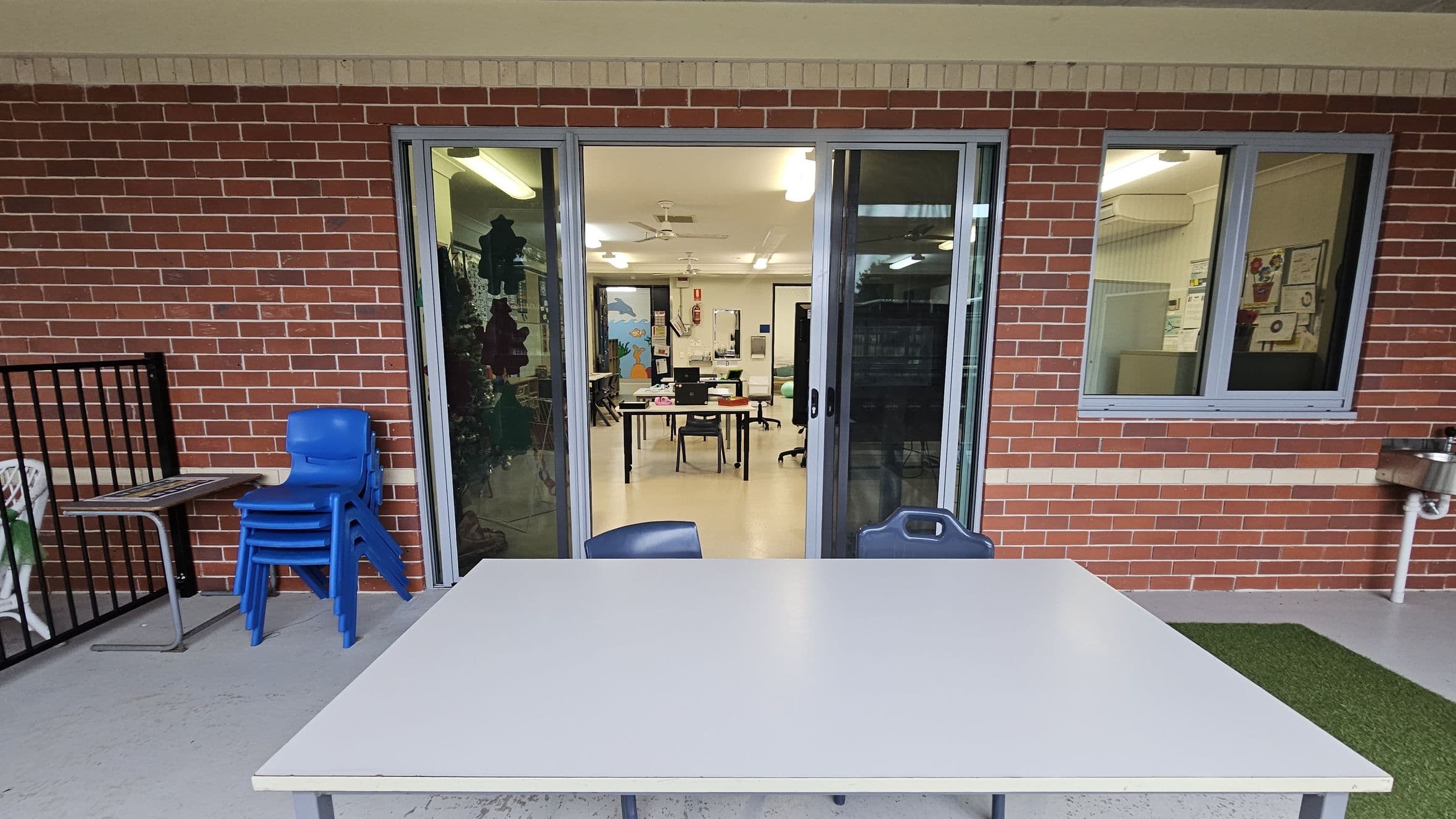
• Have step free outdoor pathways
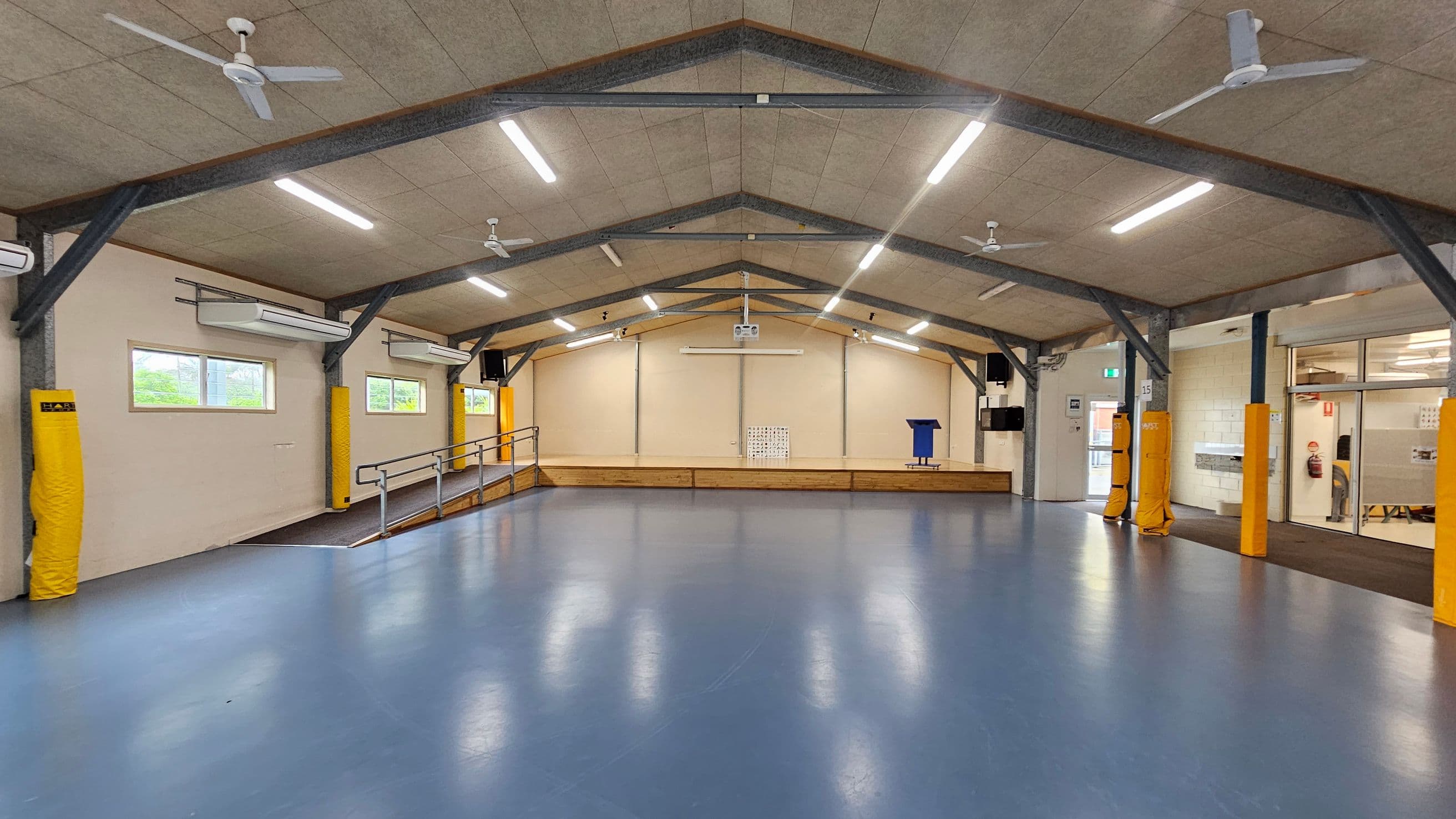
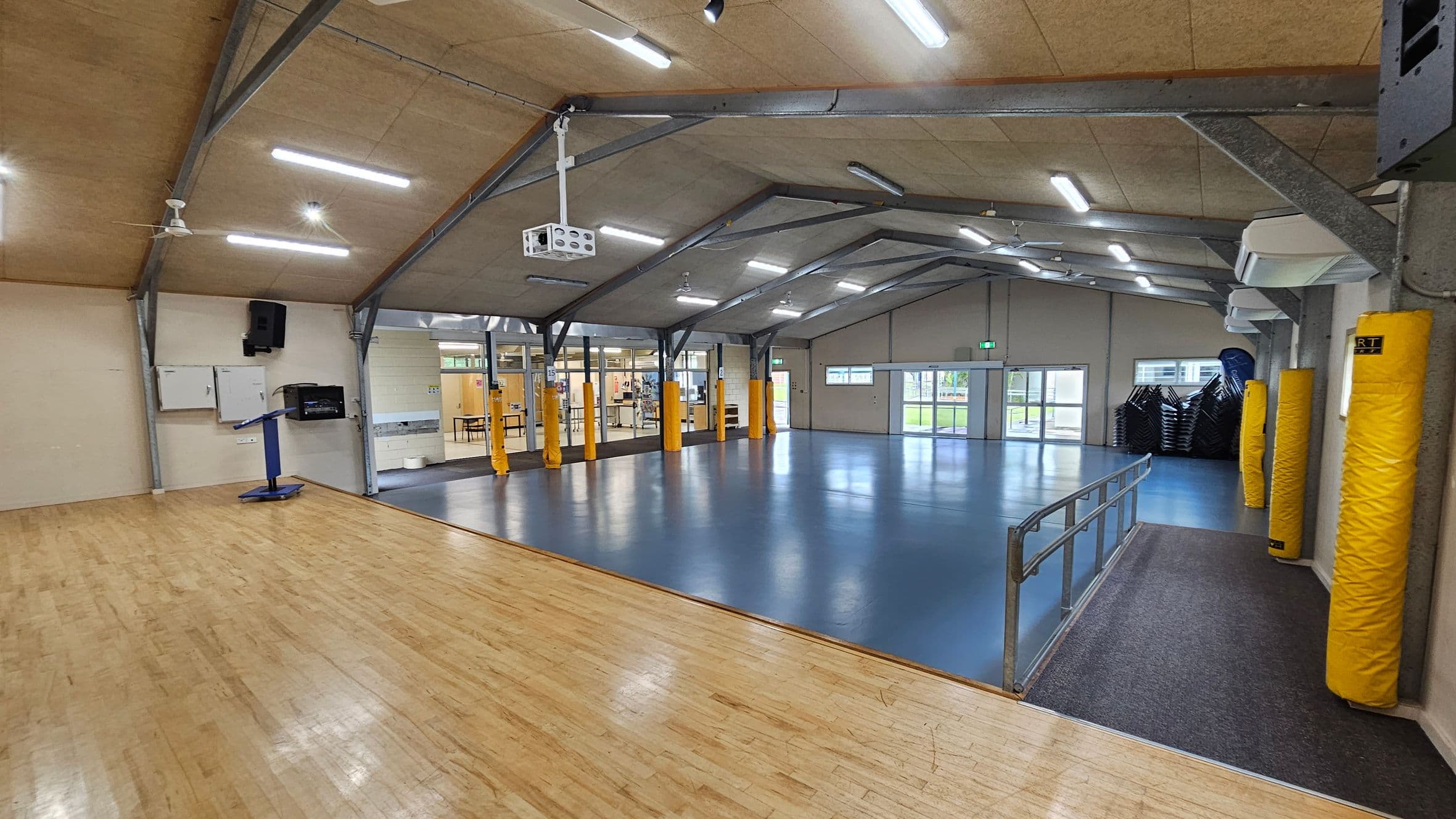
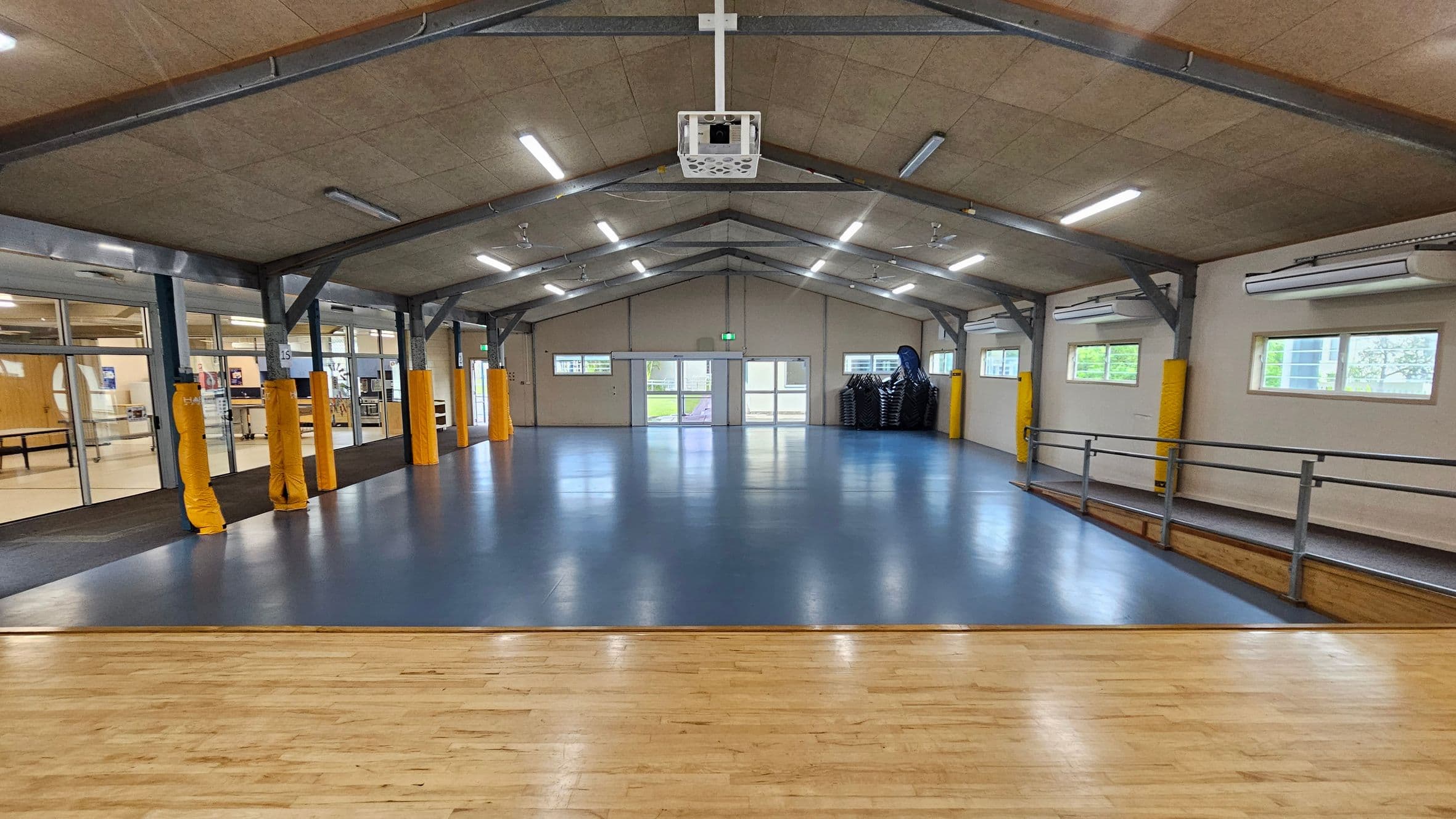
• Have step free access to the conference or function room
• Have lifts with enough space for people using a mobility aid to enter and turn around to use the lift buttons. Buttons are at accessible height.
• Have an accessible public toilet which is unlocked
• Have a wheelchair/scooter charging station (power point) in an accessible location
• Provide portable hoist
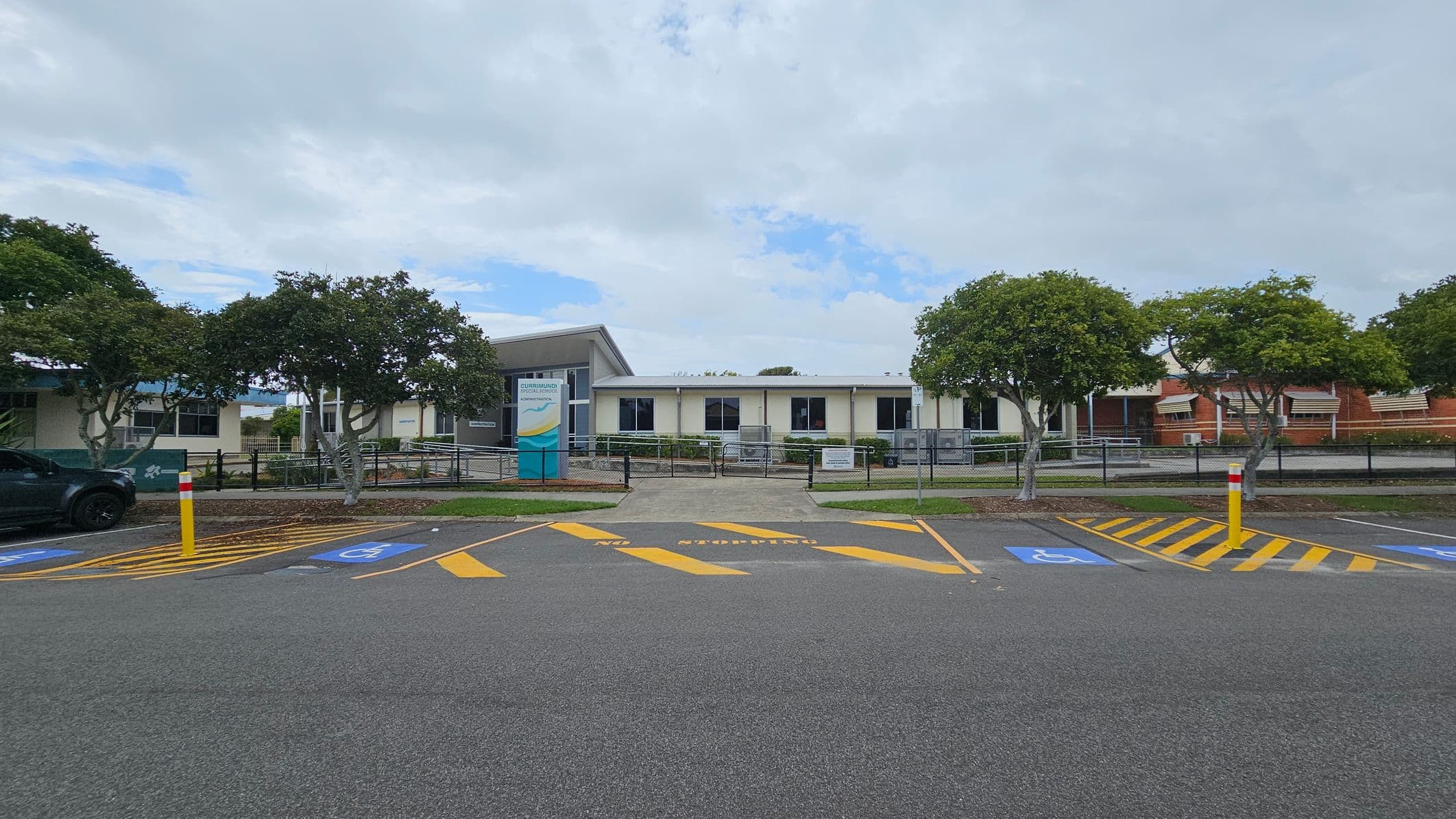
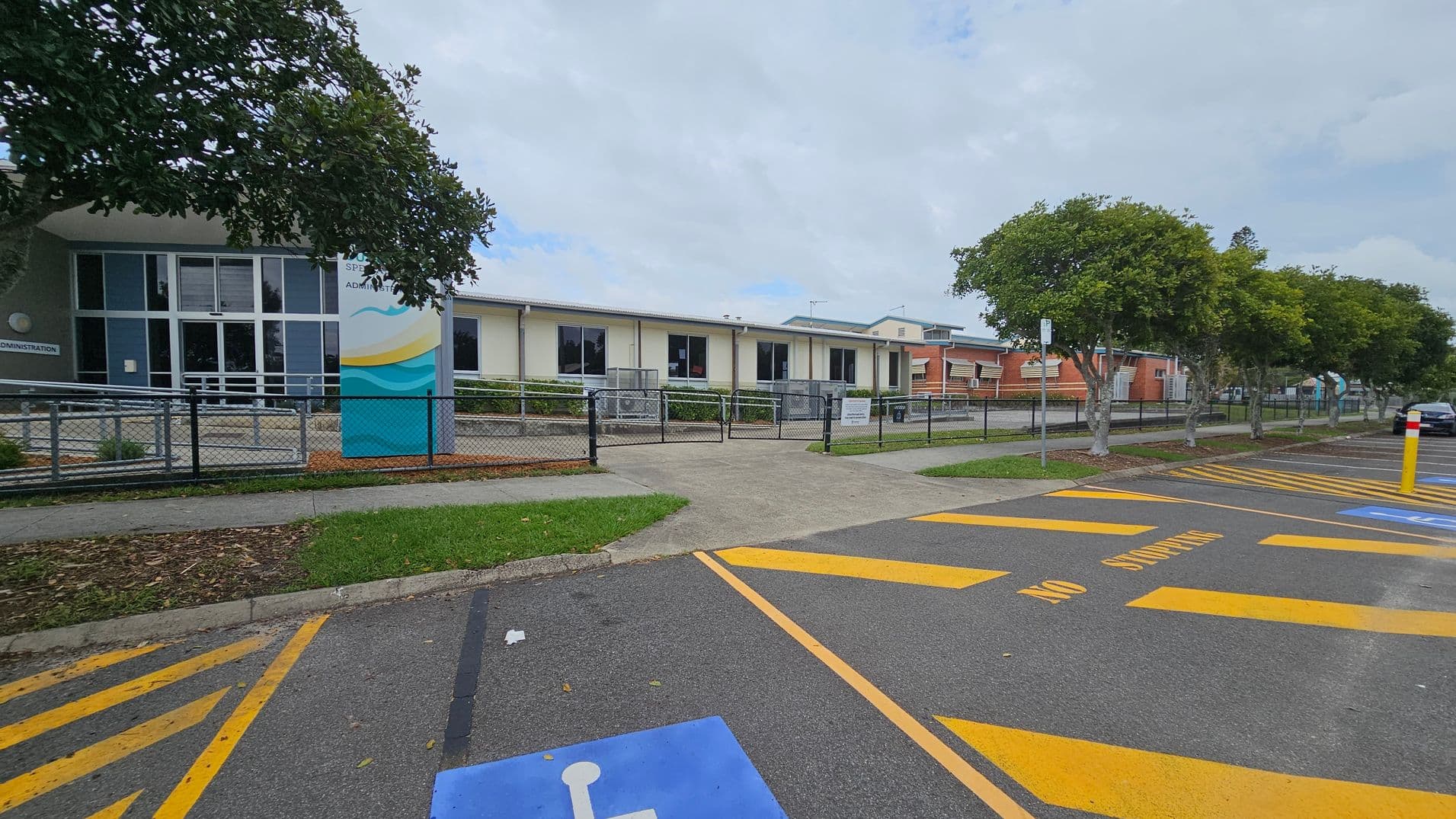
• Have at four (4) wheelchair accessible parking spaces
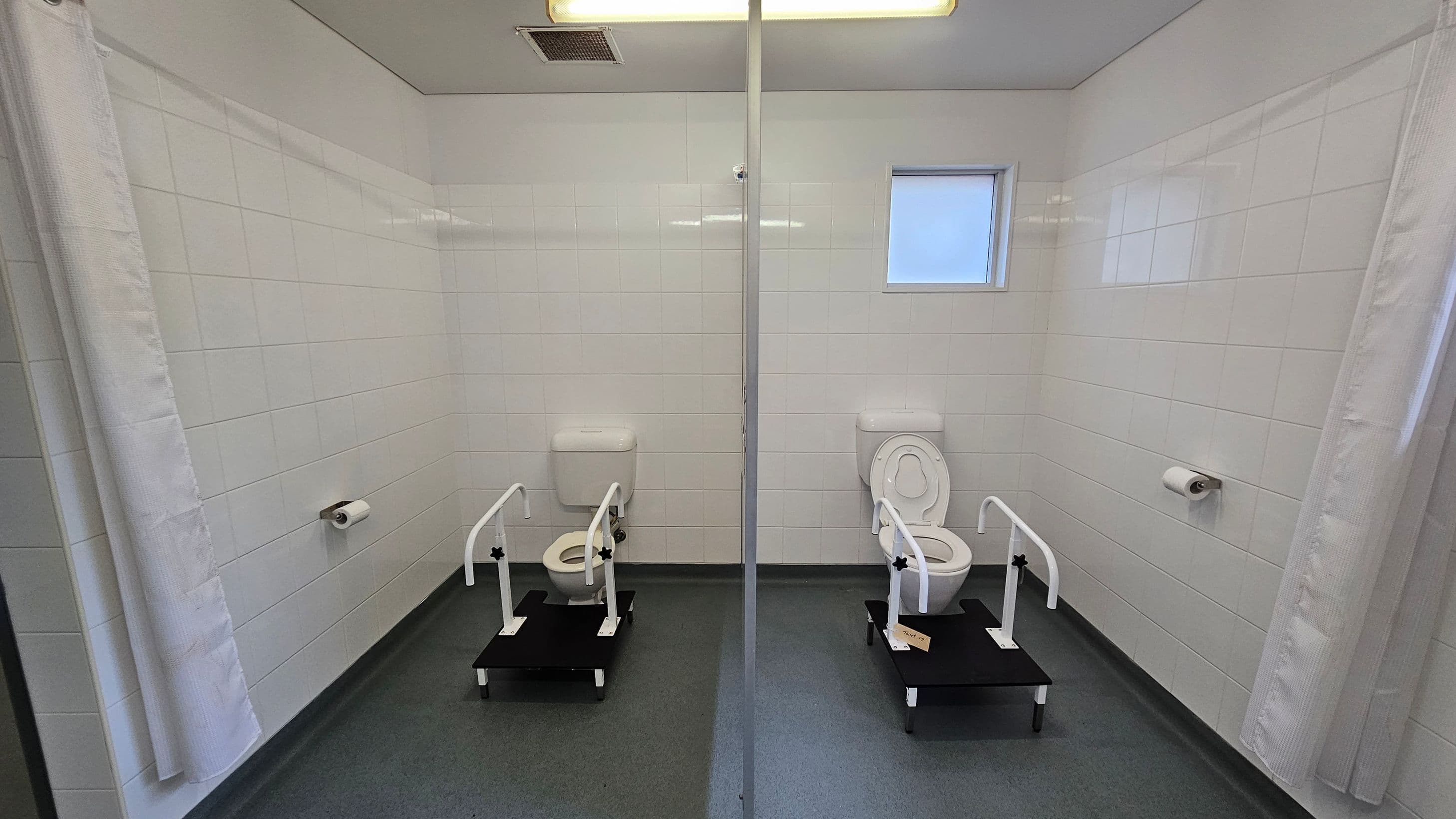
• Have a wheelchair accessible toilet
• Have a wheelchair accessible shower and change room
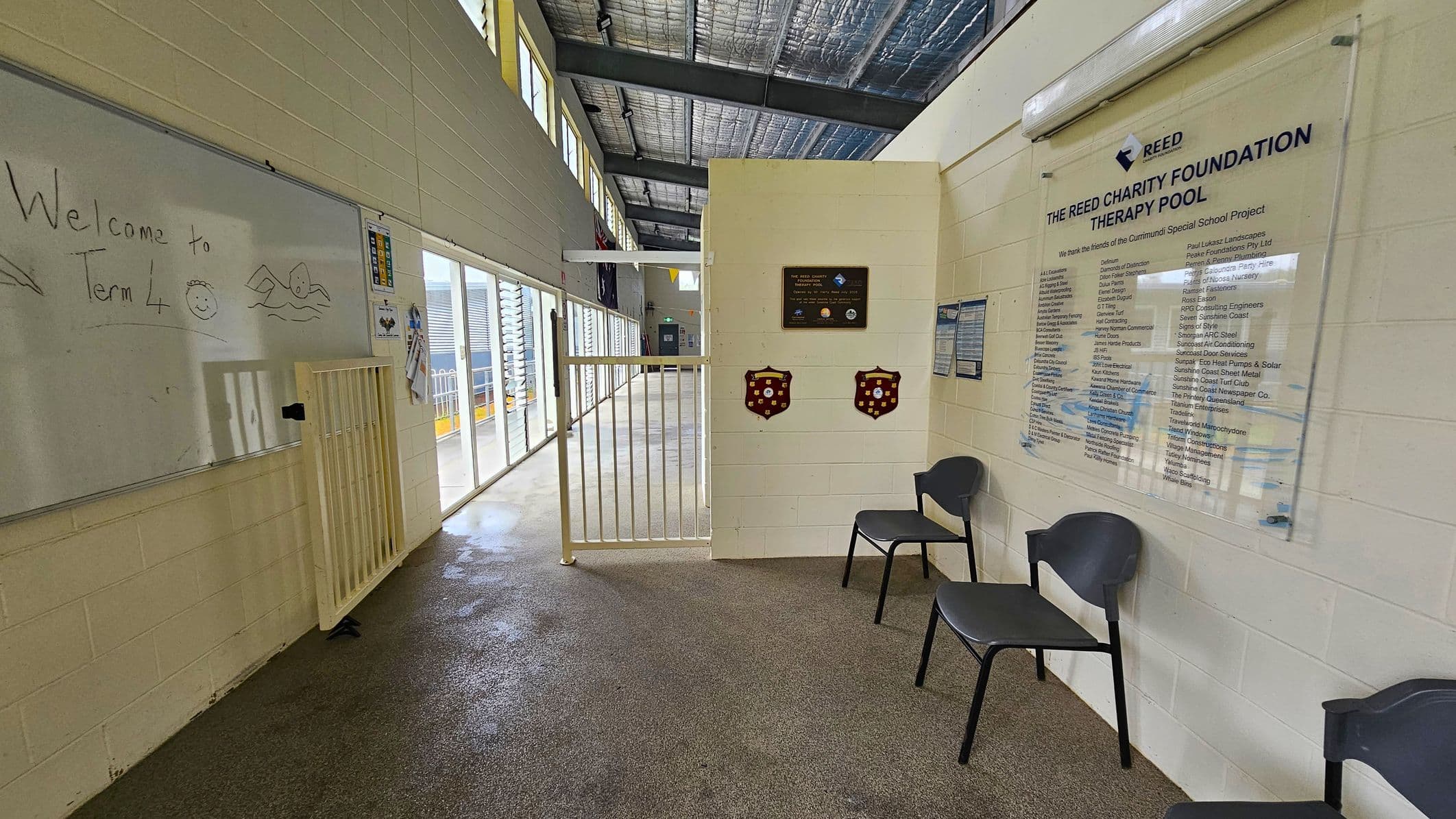
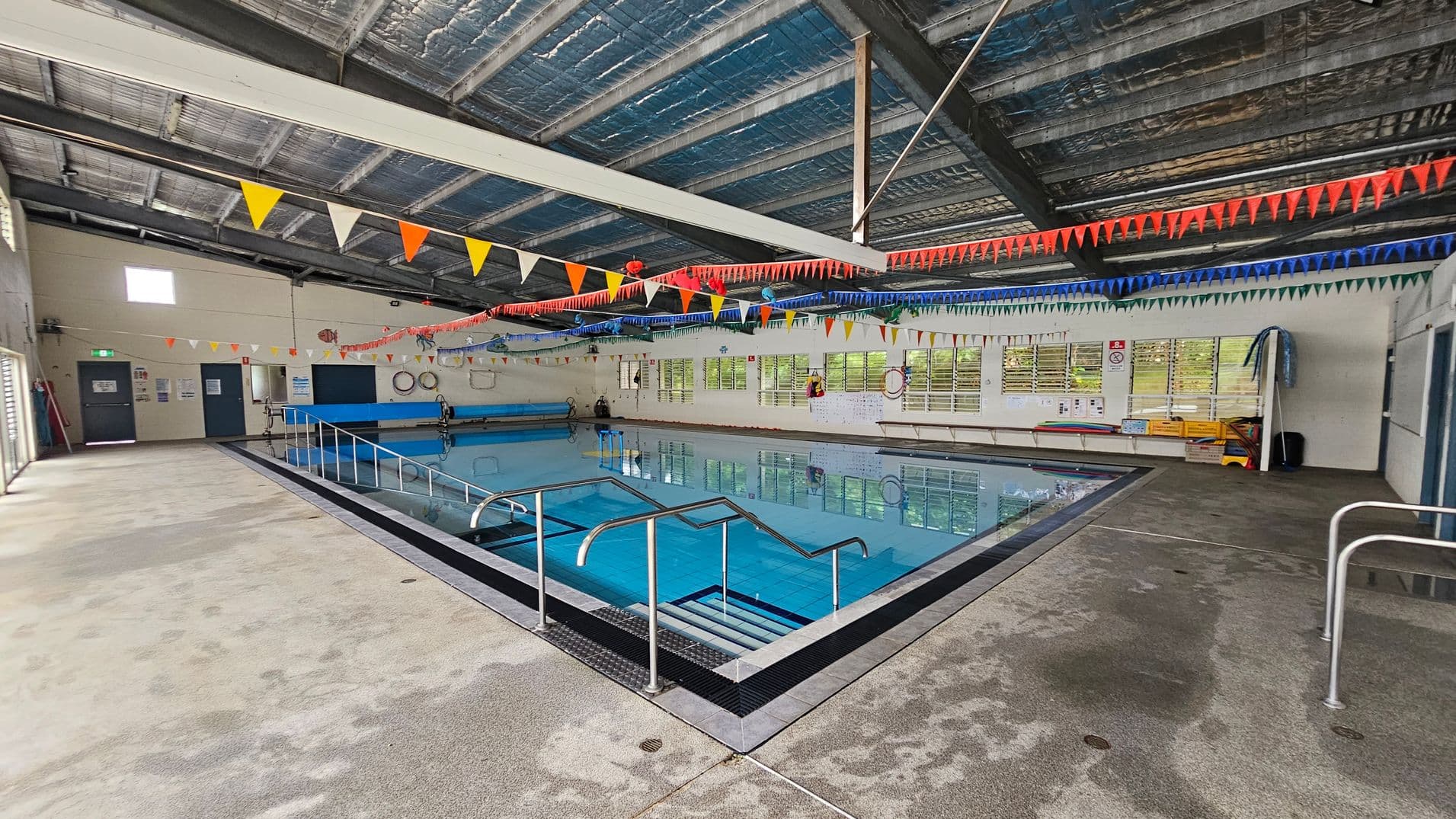
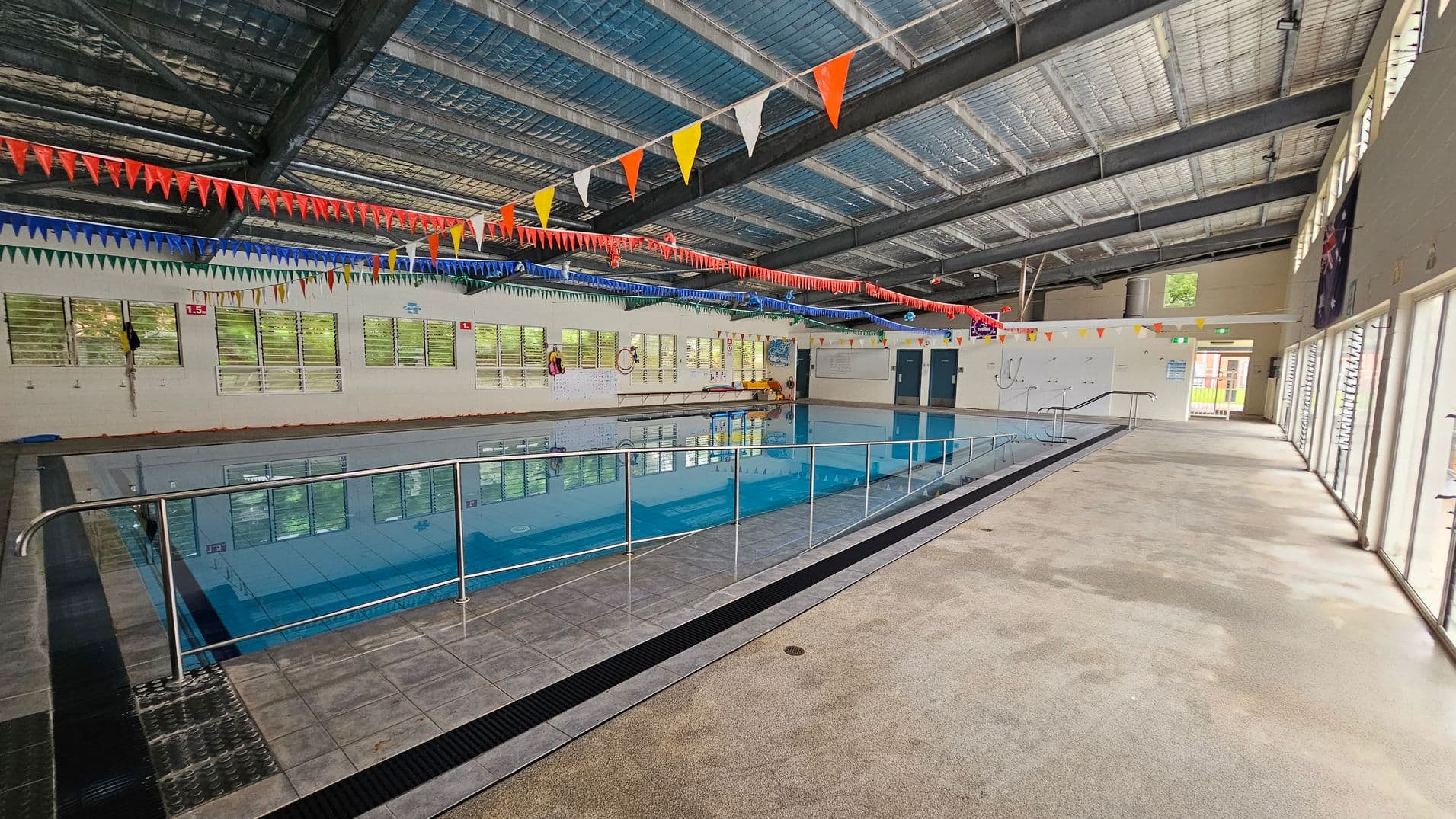
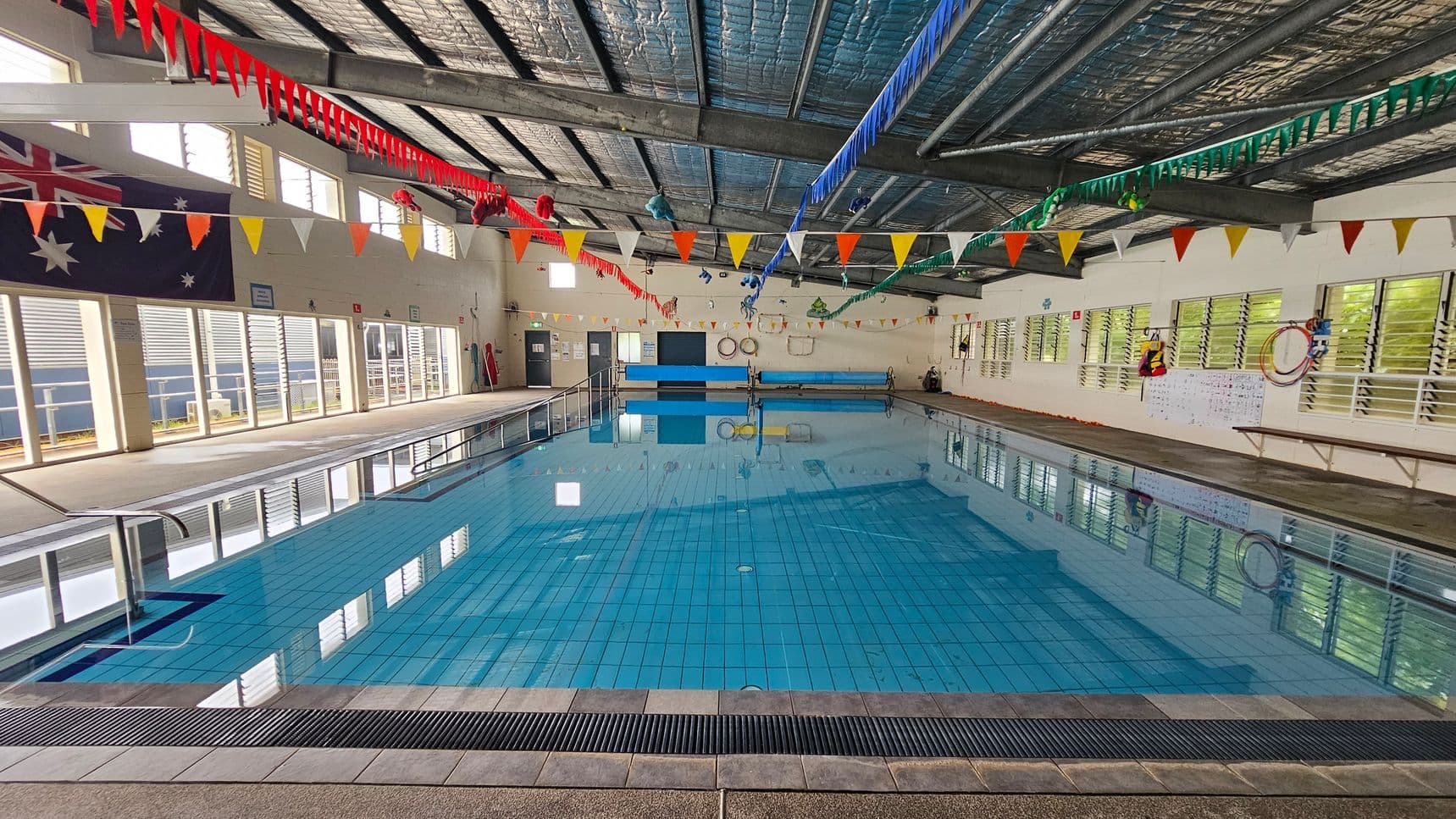
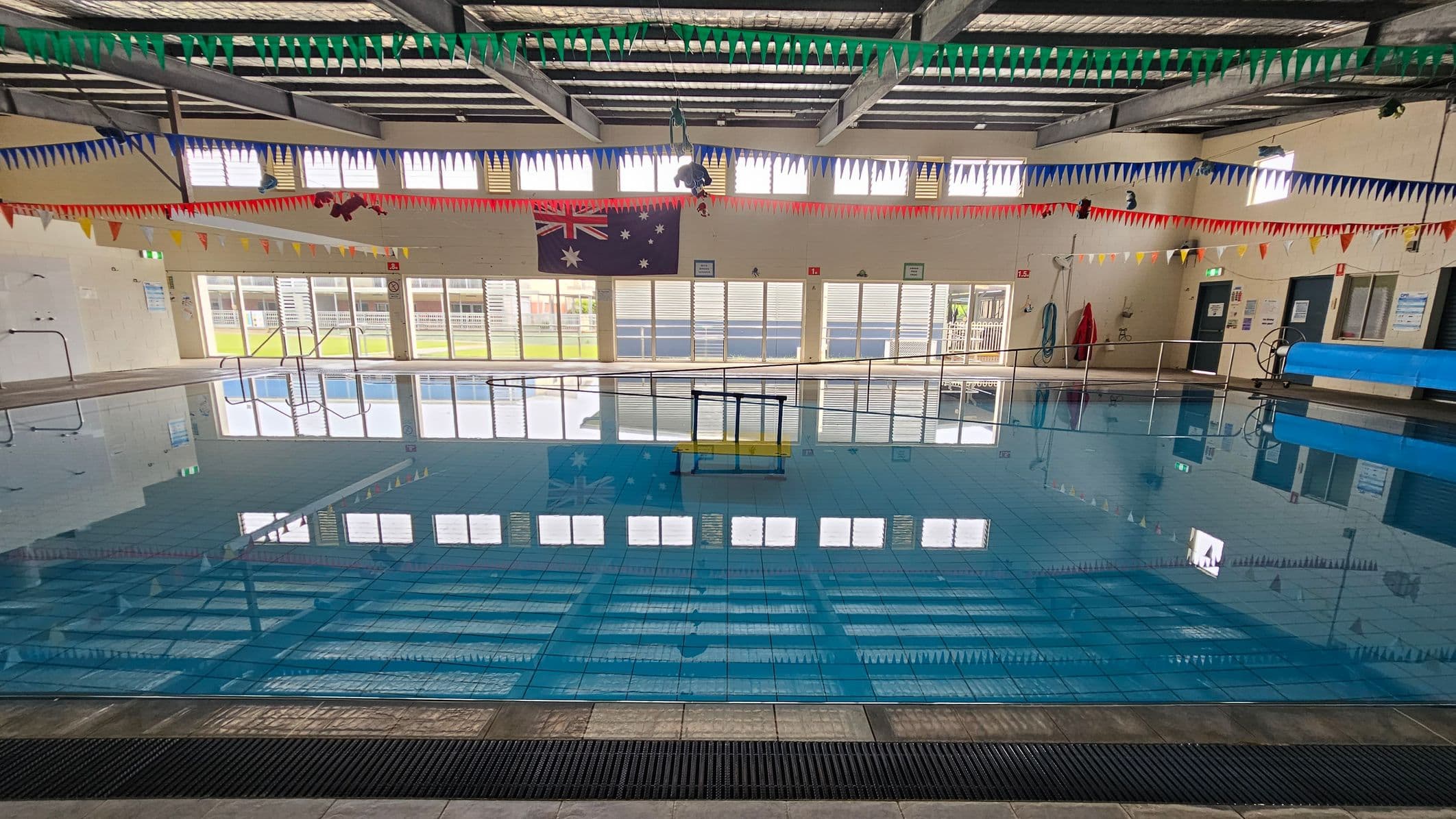
• Provide wheelchair access to pool
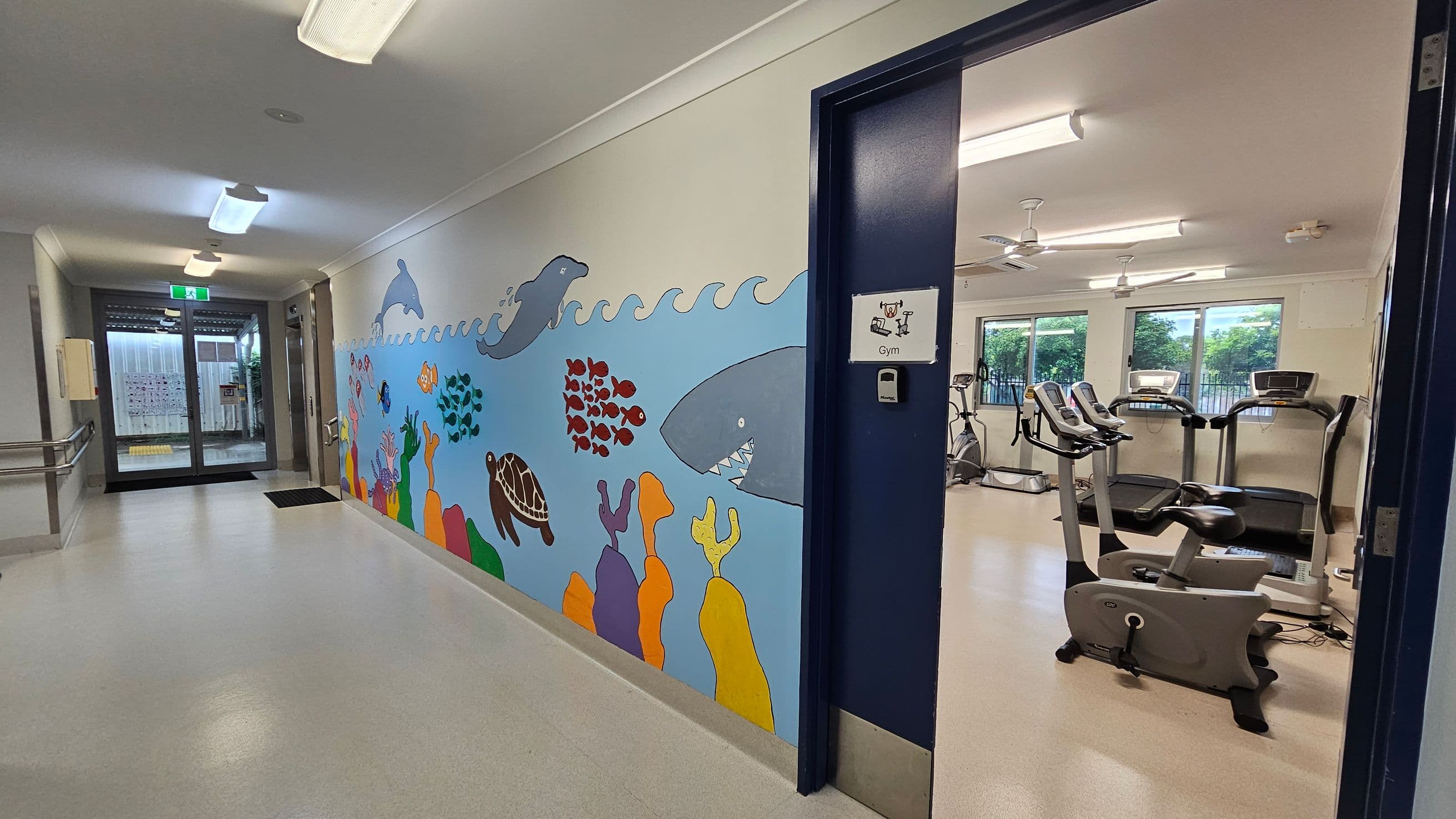
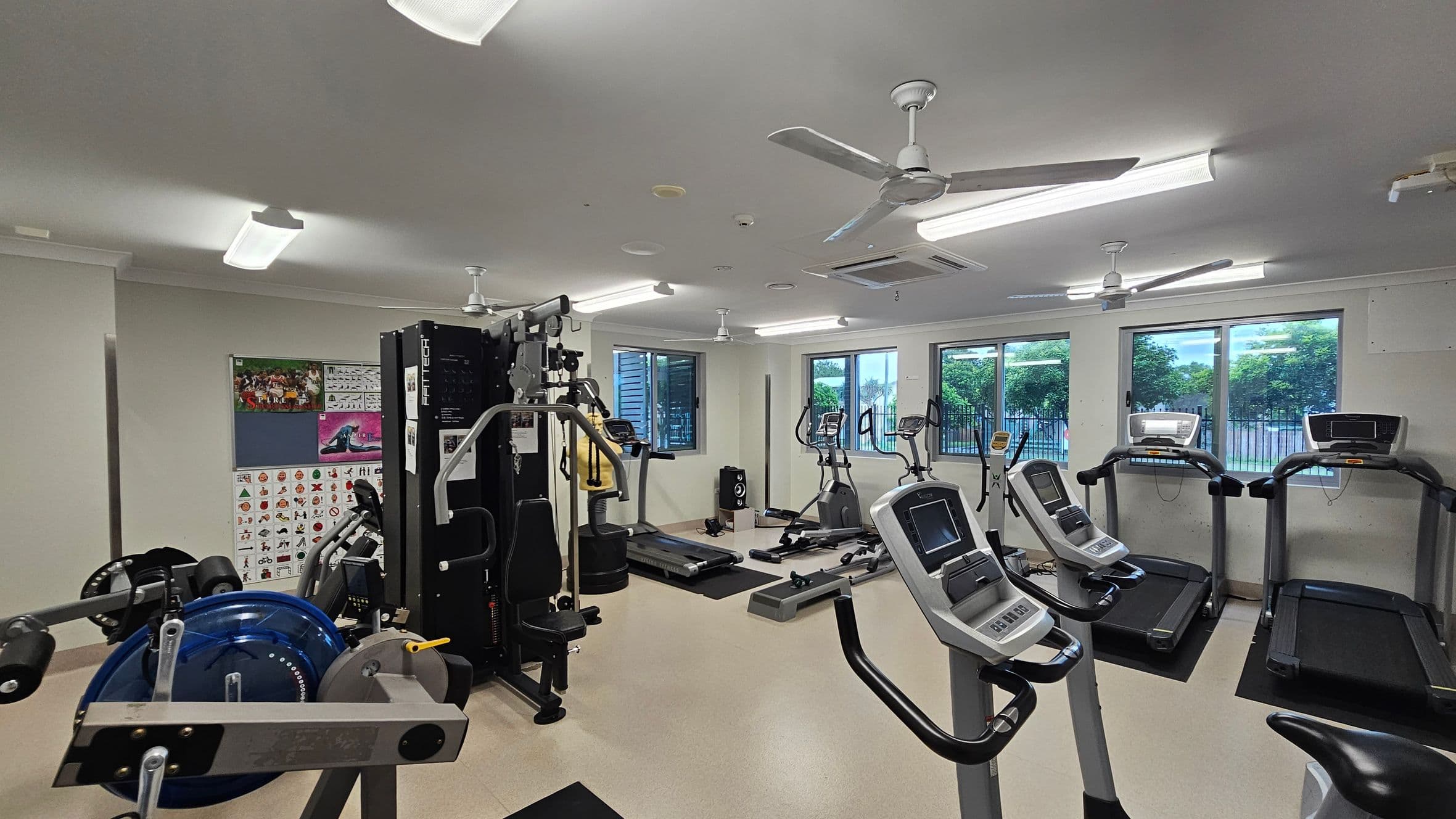
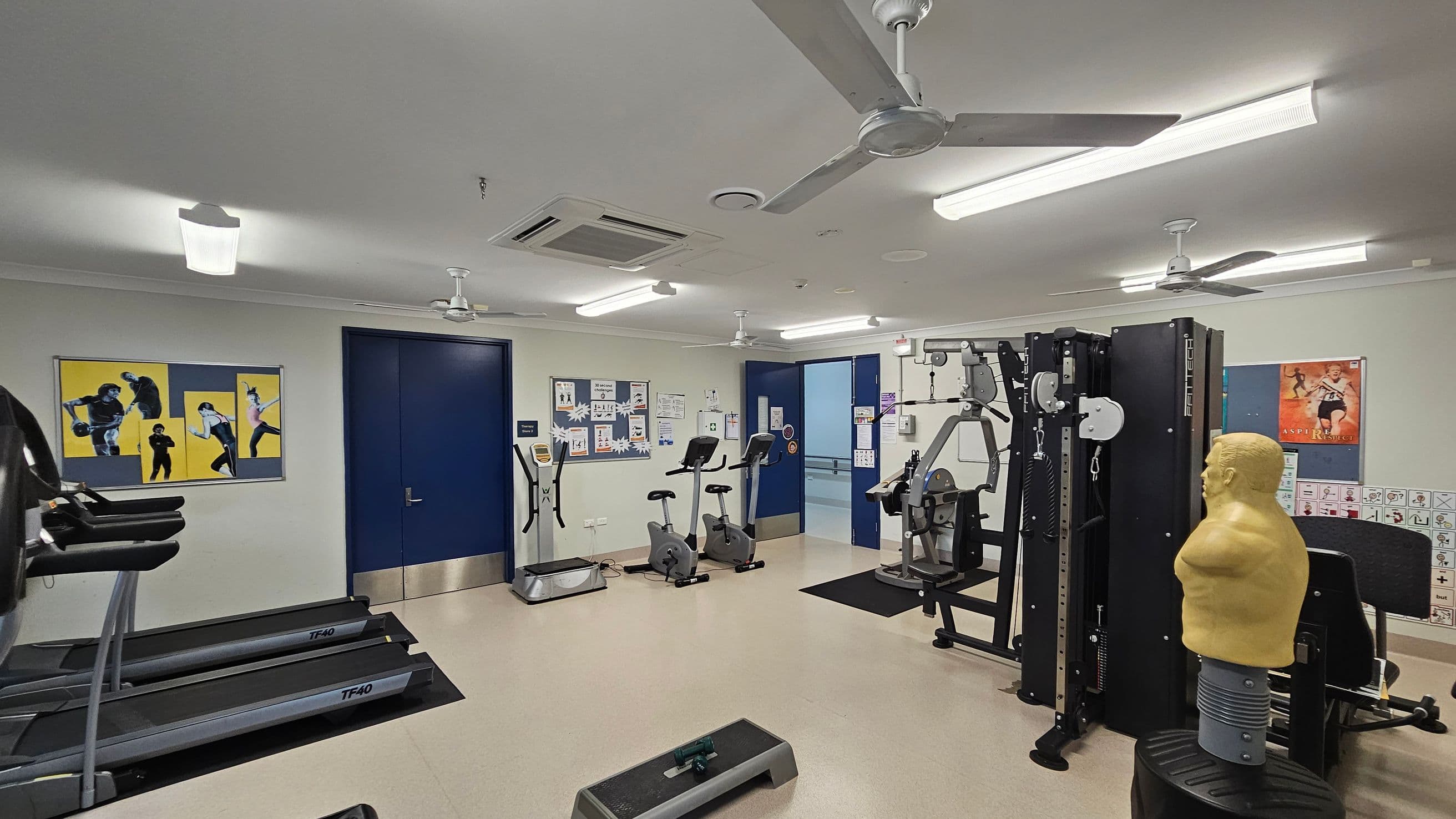
• Provide wheelchair access to gym
• Have a pool ramp/hoist enabling entry into pool
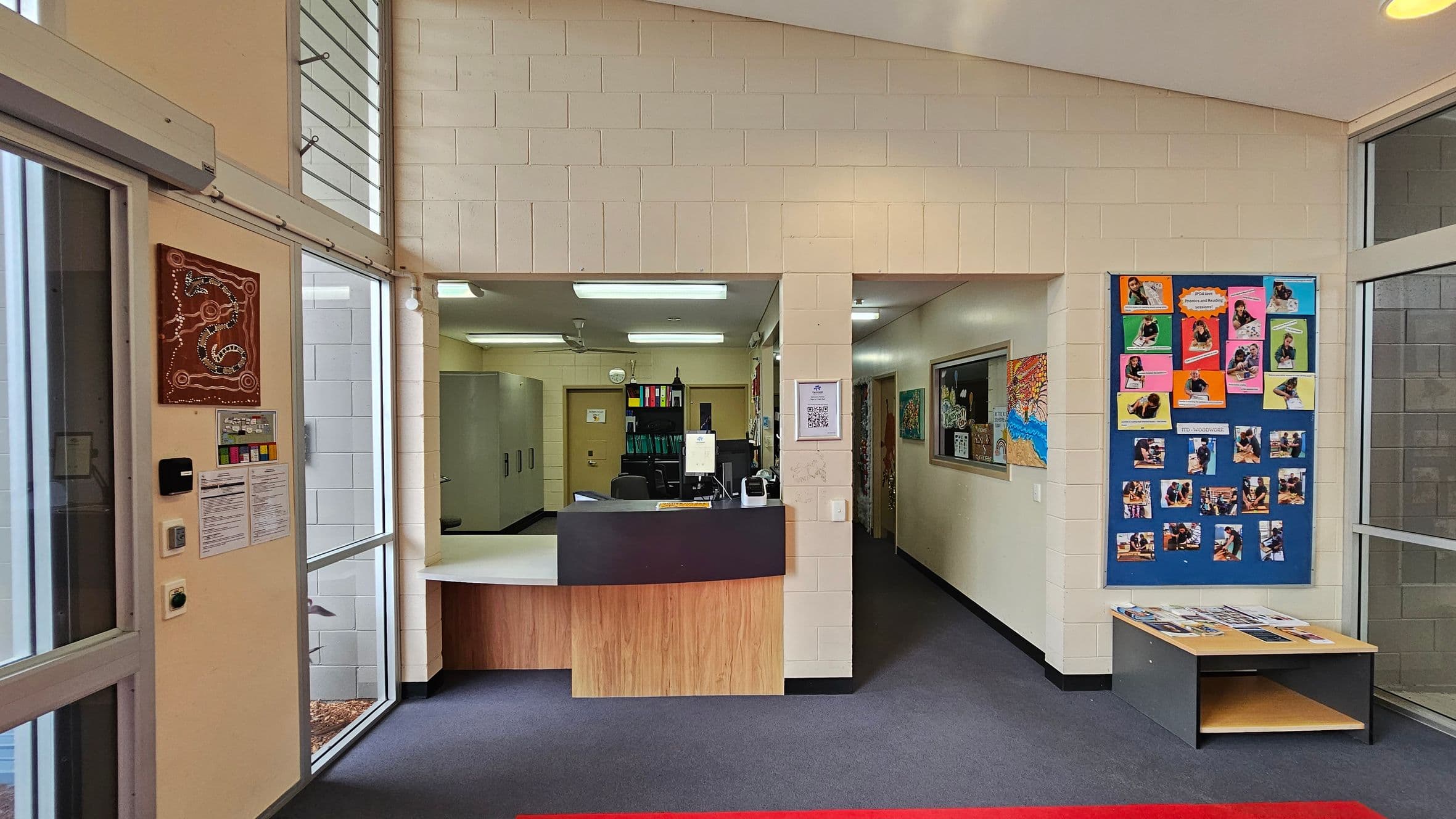
• Provide a low height counter suitable for a person using a wheelchair or a person of small stature
• Have clear space between furniture and exhibits for a person to manoeuvre a mobility aid
• Virtual tour provides detailed measurements of boat, bus and train aisles and access points
ALLERGIES AND INTOLERANCES
• Modify our cooking and cleaning practices to cater for people with food allergies or chemical intolerances (could include menus with meals free from: nuts, dairy, seafood, eggs, gluten etc)
• Trained staff to respond to allergic reactions
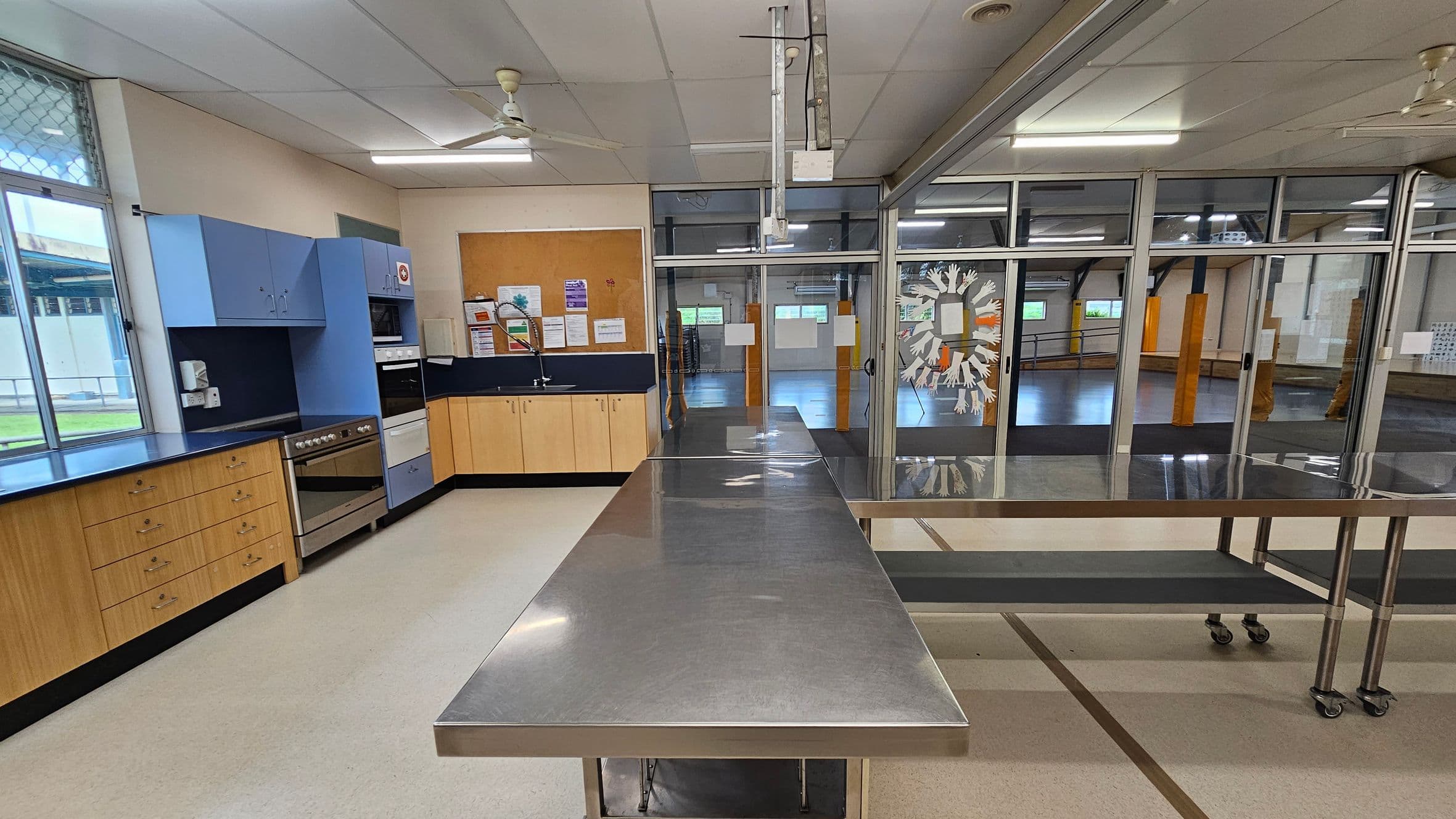
• Adhere to The Food Authority requirements for allergy management in food preparation
• Have equipment to respond to anaphylactic shock such as epipens and defibrillator
• Provide toiletries which are chemical and fragrance free (if requested)
• Use organic (chemical and fragrance free) cleaning products